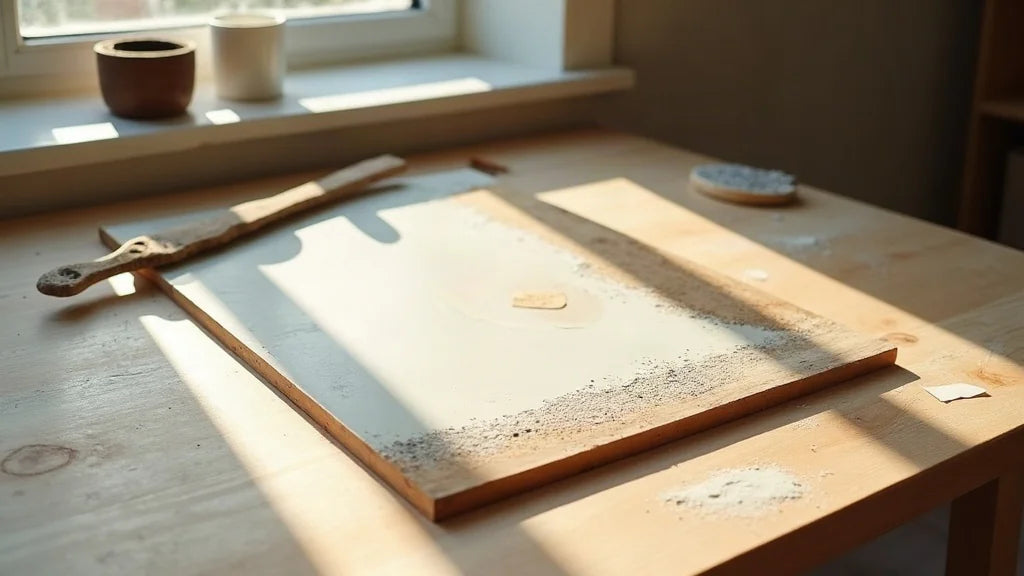

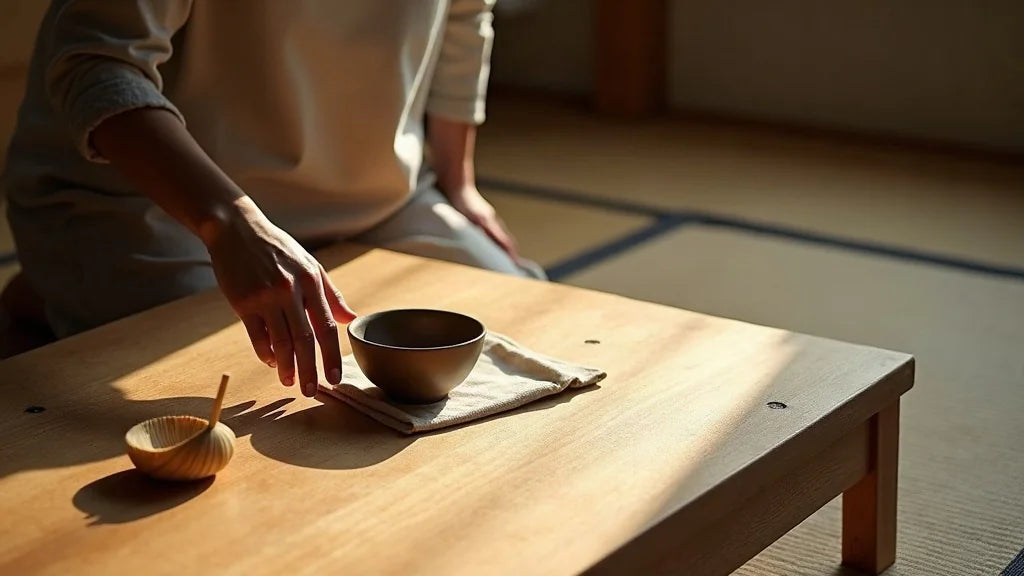
The kettle sounded before anyone spoke. Seven of us knelt on tatami in a Kyoto back street, watching a host wipe a bamboo scoop with a folded silk cloth, and the whole room waited on that one small movement. A japanese tea ceremony (chanoyu) is a codified way of preparing and sharing matcha, where every gesture, folding the cloth, warming the bowl, turning it before drinking, exists to slow attention down rather than to impress. A formal chaji can run three to four hours with a kaiseki meal, thick tea and thin tea; a short chakai lasts under an hour. At home you cannot recreate it honestly, but you can borrow its logic: one guest, one bowl, a cleaned surface and ten quiet minutes before the day starts.
In short
- Chanoyu is not a performance: it is a sequence of practical gestures made deliberate and repeatable.
- A formal chaji lasts 3 to 4 hours; a casual chakai with thin tea only takes 30 to 60 minutes.
- Guest etiquette is simple in practice: arrive early, bow, admire the bowl, turn it away from the front, finish in three sips.
- At home, keep the spirit (cleaning, sequence, attention) and drop the costume: a warmed bowl and a whisked bowl of matcha is enough.
What actually happens at a Japanese tea ceremony
Guests arrive, wait, wash, enter low, eat something sweet, drink tea, look at the utensils, leave. What surprises most first-time guests is how much of the time is spent doing nothing visible. The host cleans tools that are already clean, and the guests watch.
Arriving: the garden path, the water basin and the low door
You do not walk straight in. There is usually a short garden path, the roji, and a covered bench where guests wait until the host calls them. A low stone basin, the tsukubai, stands on the way. You rinse your hands and mouth with a bamboo ladle. The entrance to the tea room is often a sliding panel around sixty centimetres square, the nijiriguchi. You crouch to pass through it. Everyone, whatever their rank, enters bent.
The host's gestures: purifying the utensils in front of you
Inside, the host kneels by the hearth and begins the temae, the prepared sequence. A silk cloth called a fukusa is folded, refolded and used to wipe the tea container and the bamboo scoop. Hot water is poured into the bowl to warm it, the whisk is checked tine by tine, the water is discarded. This is practical work done slowly enough that everyone can follow it. A sweet is served before the tea, because matcha tastes brighter against sugar.
When the bowl reaches you, you take it with both hands, one underneath, one at the side. That two-handed hold changes how you stand. It is also why I use wide, low vessels rather than a handled mug in the morning, something like this hand-finished ceramic tea cup, which sits in the palm and passes its warmth straight into your hands.

Usucha vs koicha: thin tea, thick tea and who drinks first
Two preparations exist. Usucha is thin tea, whisked to a light foam, one bowl per guest. Koicha is thick tea, closer to warm paint than to a drink, made with more powder and less water, and shared: the first guest drinks, wipes the rim, passes the bowl on. Before drinking, you rotate the chawan, the tea bowl, so you do not drink from its front face, the side the host turned towards you out of respect.
How long does a Japanese tea ceremony last?
Three to four hours for a full chaji, thirty to sixty minutes for a chakai. Tourist tastings in Kyoto and Tokyo usually run twenty to forty-five minutes.
The full chaji: kaiseki, charcoal, thick tea, thin tea
A chaji is a complete gathering, often for four or five guests. It includes a kaiseki meal in several small courses, a charcoal-laying sequence where the host builds the fire in front of you, a break outdoors, then koicha, then usucha. Guests are expected to notice the scroll in the alcove, the flower, the season in the sweets.
The short chakai: one bowl in under an hour
A chakai serves thin tea and a sweet, sometimes a light snack. Temples, cultural centres and tea schools run them regularly. This is the honest entry point.
| Format | Duration | What is served | Dress | Best for |
|---|---|---|---|---|
| Chaji (formal gathering) | 3 to 4 hours | Kaiseki meal, sweets, thick tea, thin tea | Formal, often kimono; white socks expected | Repeat guests, students of the practice |
| Chakai (informal gathering) | 30 to 60 minutes | One sweet, one bowl of thin tea | Plain clothes, clean socks | A first real experience |
| Visitor demonstration | 20 to 45 minutes | Thin tea, sometimes self-whisked | No requirement | Travellers short on time, families |
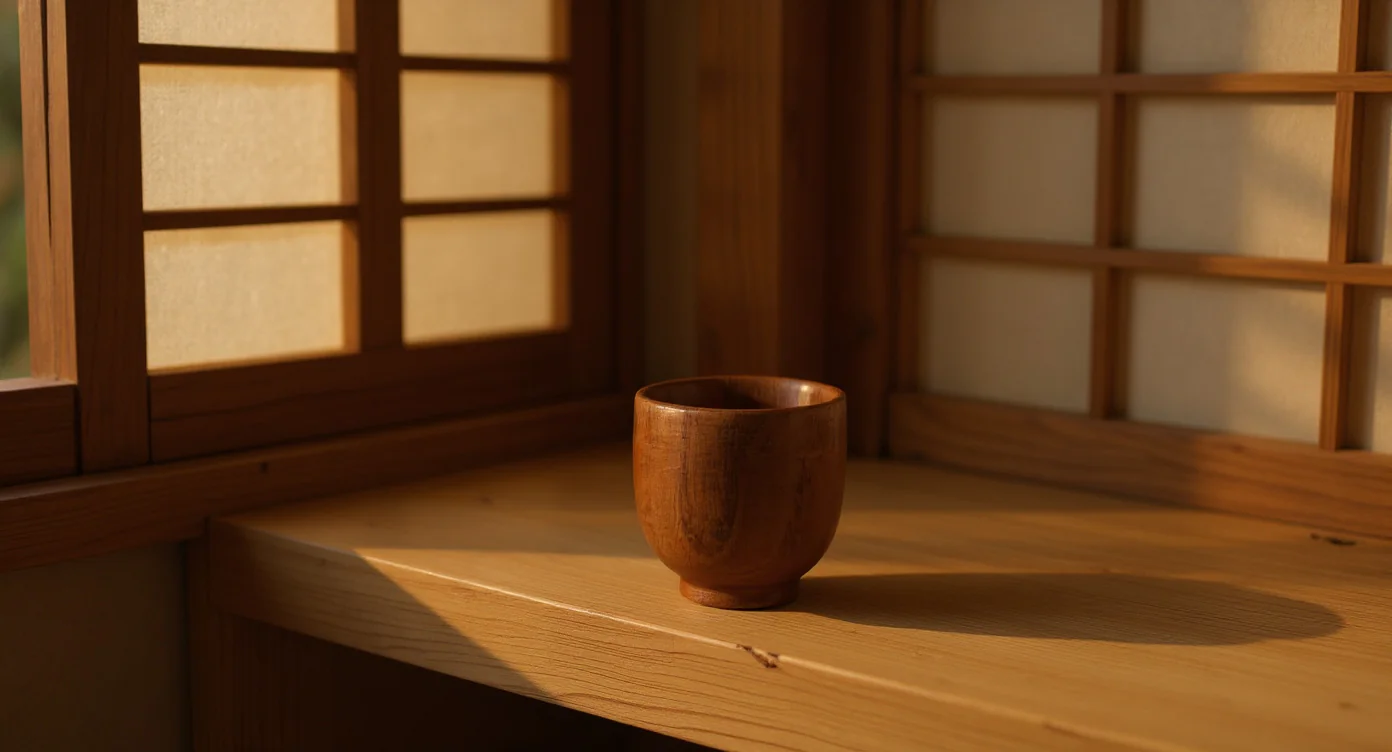
Tea ceremony etiquette: what a guest is expected to do
Etiquette here is a set of things to do, not a list of traps. Hosts correct guests gently, in a half sentence, and then move on. If you handle the bowl with two hands and stay quiet during the preparation, you are already doing most of it.
Before you sit: shoes, socks, jewellery and phones
- Arrive ten to fifteen minutes early; latecomers are usually not admitted once the sequence begins.
- Wear clean, plain socks. White is customary, and shoes come off at the entrance.
- Remove rings, bracelets and watches: they chip old bowls and scratch lacquer.
- Skip perfume and scented hand cream. The room is built around the smell of charcoal, tatami and tea.
- Silence your phone and leave it in your bag, not on the mat.
Handling the chawan: turning the bowl and the three sips
Take the bowl with your right hand, set it on your left palm, bow slightly to the guest beside you. Turn the bowl a little clockwise, twice, so the front faces away from your lips. Drink in about three mouthfuls. The last sip is drawn in audibly, which tells the host the bowl is empty. Then wipe the rim with your fingers, turn the bowl back, and set it down where you received it.
What to say and when to stay silent
Speak at the openings the host leaves. Before drinking, a short word to your neighbour. After drinking, one question about the bowl, the scroll or the sweet is welcome and expected. During the preparation itself, say nothing. The silence is not tension. It is the point.

Is a tea ceremony in Japan worth booking?
Yes, if you choose a small session with real explanation. The difference is not price or décor. It is whether the host answers questions and lets you whisk a bowl yourself.
Kyoto tea houses vs hotel demonstrations: how to tell them apart
Three things I check before booking. First, group size: six people or fewer, or walk away. Second, whether the listing names the school of practice, such as Urasenke or Omotesenke; a host who names their training tends to teach rather than perform. Third, whether the session includes handling the utensils, not only watching them.
What we learned sitting on tatami in Kyoto at 7am
Early sessions are better. The machiya streets are still cool, the light comes in low and grey through paper screens, and the host is not on their fourth group of the day. What stayed with me was the tray: four objects, arranged with space between them, and nothing else in the room except a single flower. Every styling decision I make now comes from that memory of restraint. The phrase attached to this practice, ichigo ichie, means roughly one time, one meeting: this gathering will not happen twice.
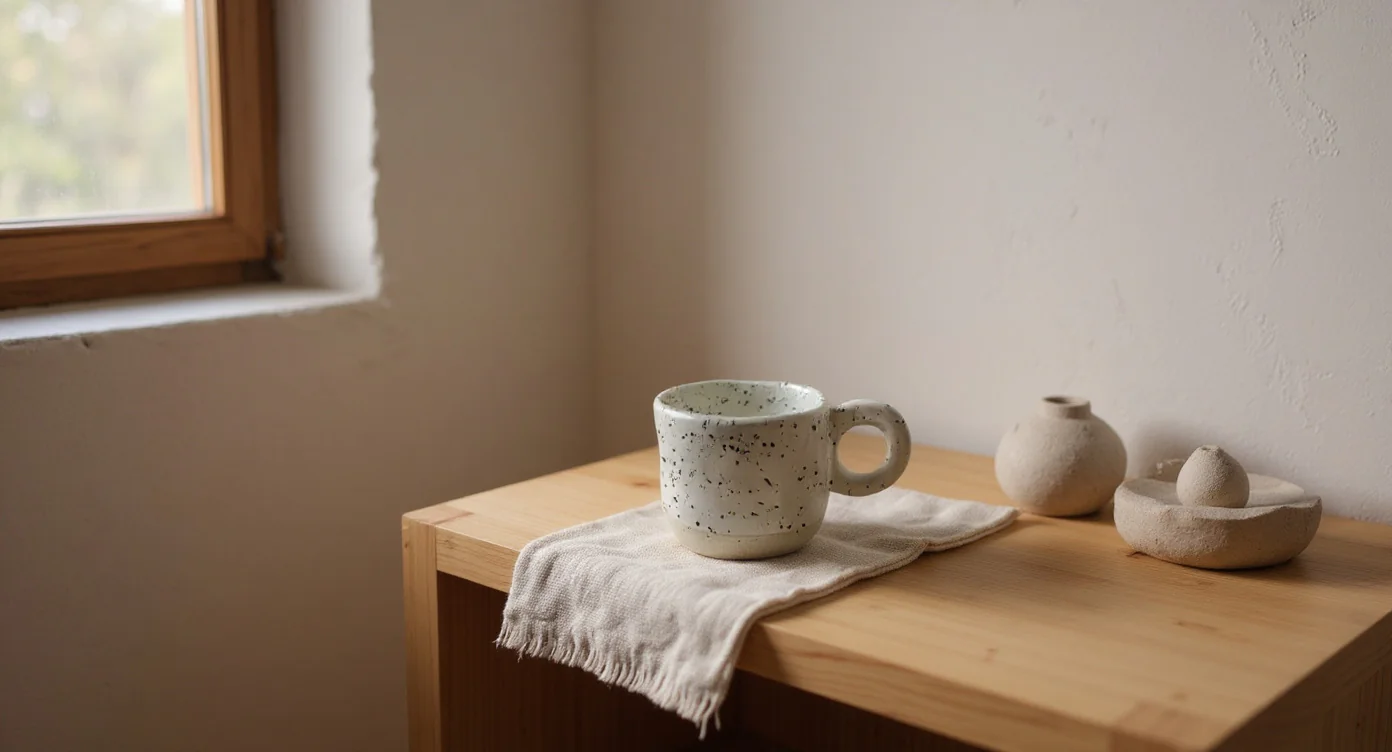
A morning matcha ritual at home, inspired by chanoyu
Ten minutes, one bowl, before the house wakes up. The goal is not a miniature ceremony. It is to start the day with one thing done attentively, in a cleared space, using tools you actually like touching. The part that matters is the cleaning, not the tea.
The five gestures worth keeping (and the three to drop)
Keep: clearing and wiping the surface first, warming the bowl with hot water, measuring the powder with a scoop, whisking without hurrying, and sitting down to drink instead of walking around. Drop: costume, memorised script, and any pressure to sit in seiza on a hard floor.
Setting the surface: tray, cloth, warm water, one bowl
Give the ritual a fixed place: a small wooden or linen-lined tray on a shelf or windowsill. On it, the bowl, a bamboo scoop, the whisk on its stand, a folded cloth. Nothing else. Negative space is what makes four objects read as intentional rather than cluttered. Choose one bowl you like in the hand, wide enough for a whisk to move, heavy enough to sit still.
Ten minutes, one bowl: the sequence step by step
- Minutes 0 to 1. Clear the tray. Wipe the surface with a damp cloth. Boil water and let it stand off the boil, around 70 to 80 °C.
- Minutes 1 to 3. Pour a little hot water into the bowl. Rest the chasen, the bamboo whisk, in it to soften the tines. Discard the water and dry the bowl.
- Minutes 3 to 4. Sift or scoop two measures of matcha into the bowl. Add about 60 ml of water.
- Minutes 4 to 5. Whisk briskly in a W motion until a fine foam forms, then lift the whisk out through the centre.
- Minutes 5 to 9. Sit down. Hold the bowl in both hands. Drink it while it is hot, in a few mouthfuls, without a screen in front of you.
- Minutes 9 to 10. Rinse the bowl, rinse the whisk in clean water, stand it on its holder to dry, and put the tray back as you found it.
Japanese tea ceremony questions, answered
Short answers to what visitors ask most often before a first session.
What happens at a Japanese tea ceremony?
Guests wait outside, rinse their hands at a stone basin, enter through a low door and kneel. The host cleans the utensils in front of everyone, serves a sweet, then whisks and serves matcha. Guests turn the bowl, drink in about three sips, and afterwards look closely at the tools.
How long does a traditional Japanese tea ceremony last?
A formal chaji with a kaiseki meal, thick tea and thin tea runs three to four hours. An informal chakai with one bowl of thin tea takes thirty to sixty minutes. Visitor demonstrations are usually twenty to forty-five minutes.
Do I need to sit in seiza the whole time?
No. Kneeling is customary, but many venues provide low stools or allow guests to shift to a side-sitting position. Say so when you book, and no one will mind.
Is it worth doing a tea ceremony in Japan?
It is worth it when the group is small and the host explains what they are doing. Look for sessions that let you whisk a bowl yourself.
Can I do a tea ceremony at home without a chasen?
You can make matcha with a small hand whisk or a sealed jar, though the foam will be coarser and the powder clumps more easily. A bamboo whisk exists because its fine tines break up matcha without beating air into it. If you drink matcha more than once a week, it is the tool worth owning.
If you would like to set that tray properly, our matcha set collection gathers the bowl, whisk and scoop in pieces chosen for the hand rather than the shelf. Take the time to look, and keep only what you will use every morning.
Explore the Matcha Set collection
Find the bowls, whisks and scoops for a ten-minute morning matcha in our Matcha Set collection.
Browse the collection →