Read more
Japanese Tea Cups features and benefits
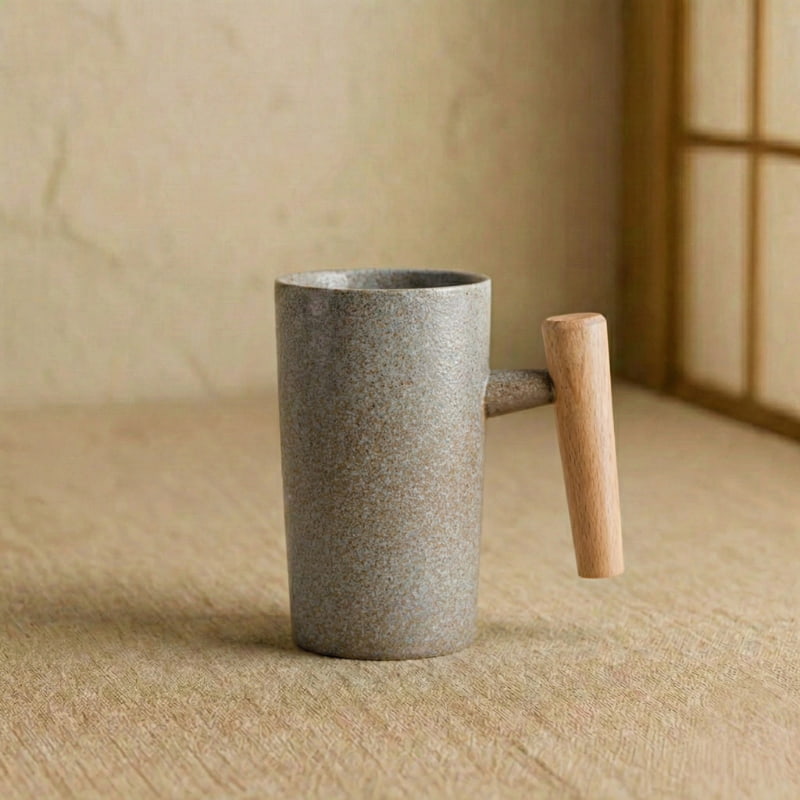
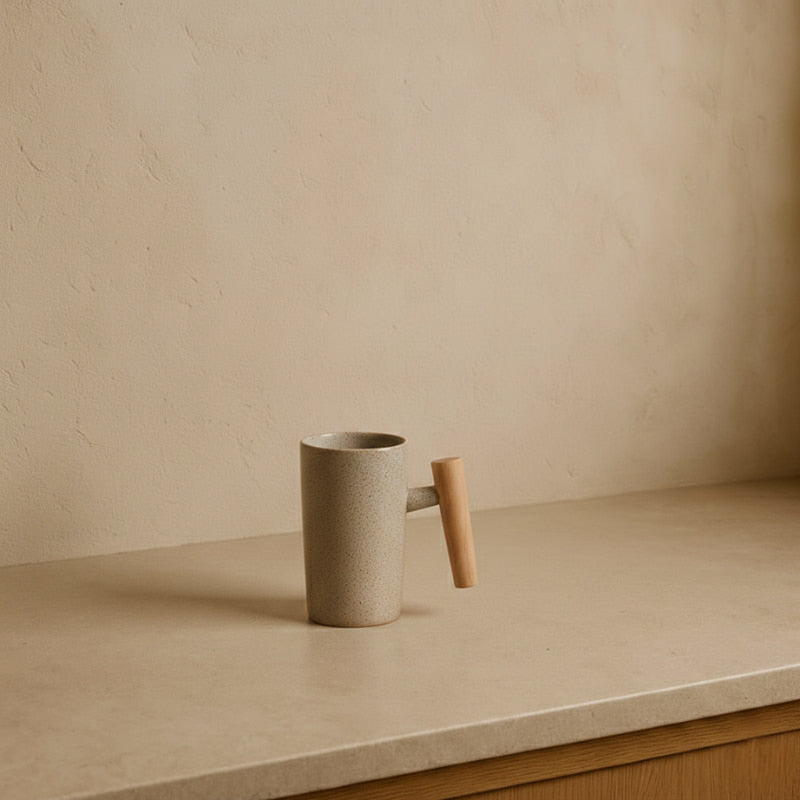
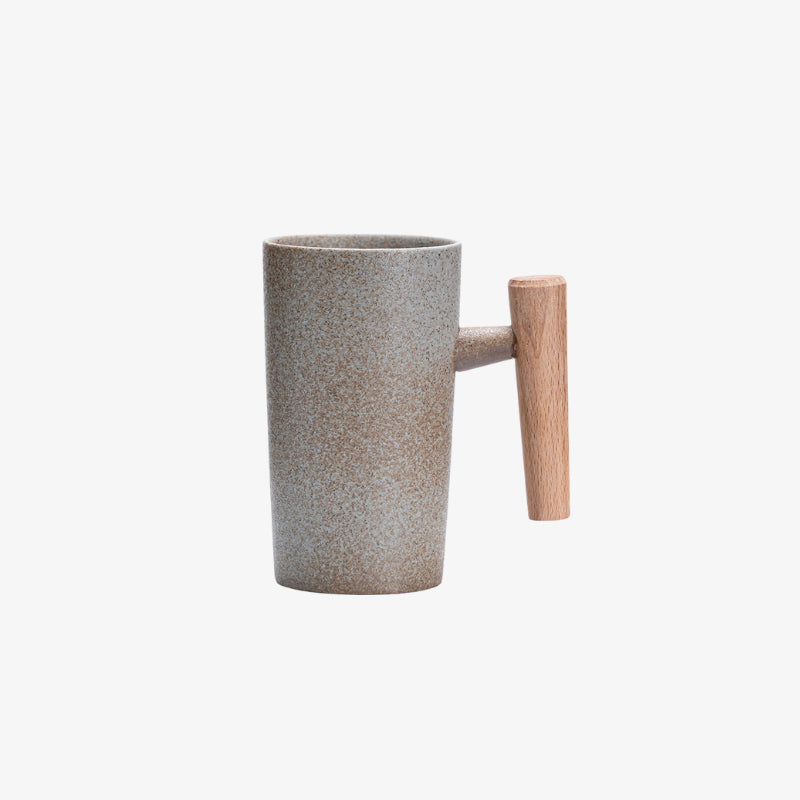
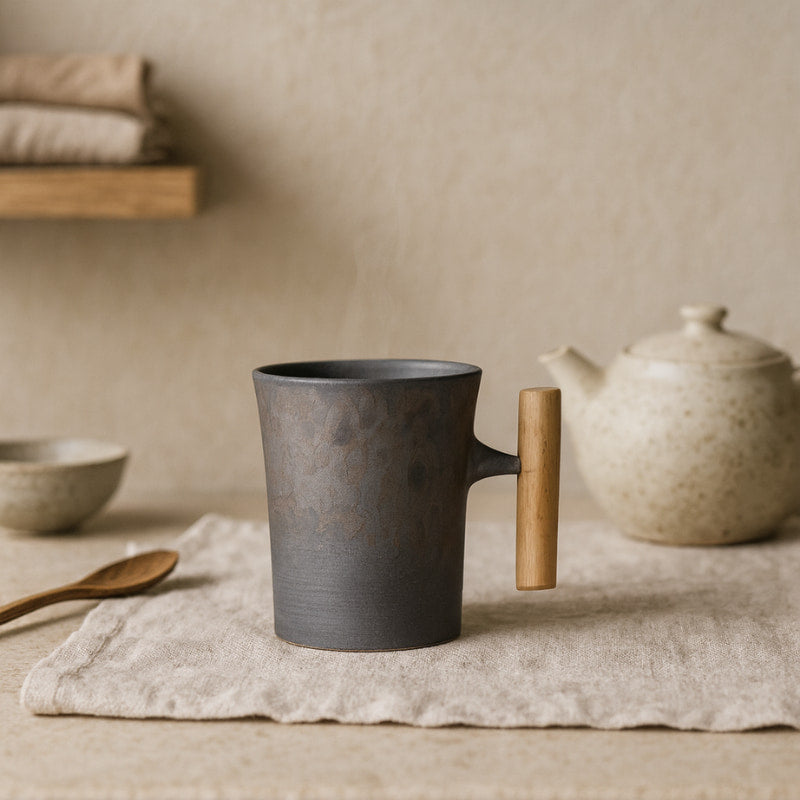
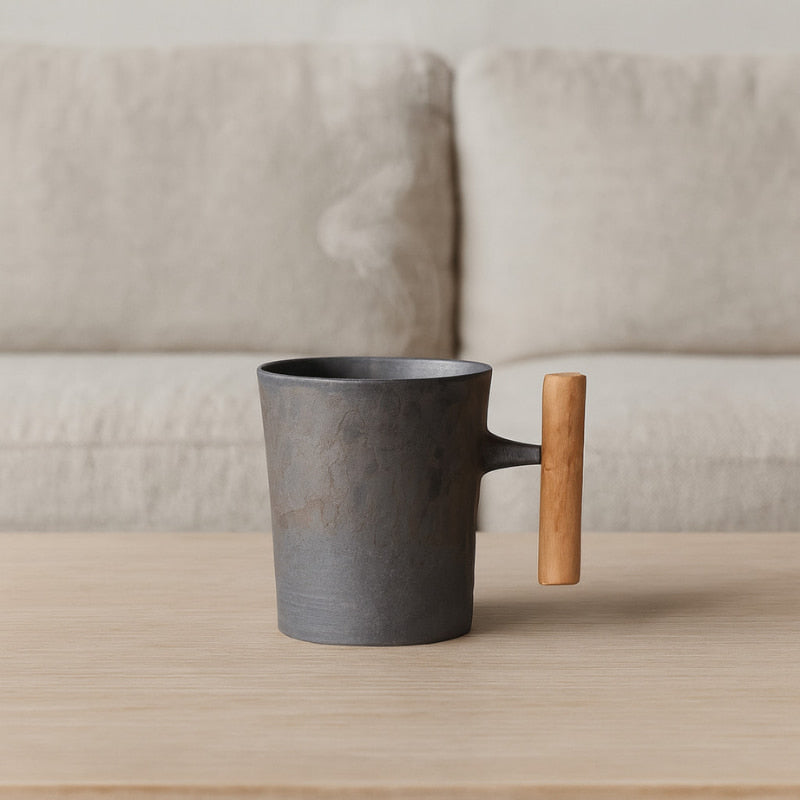
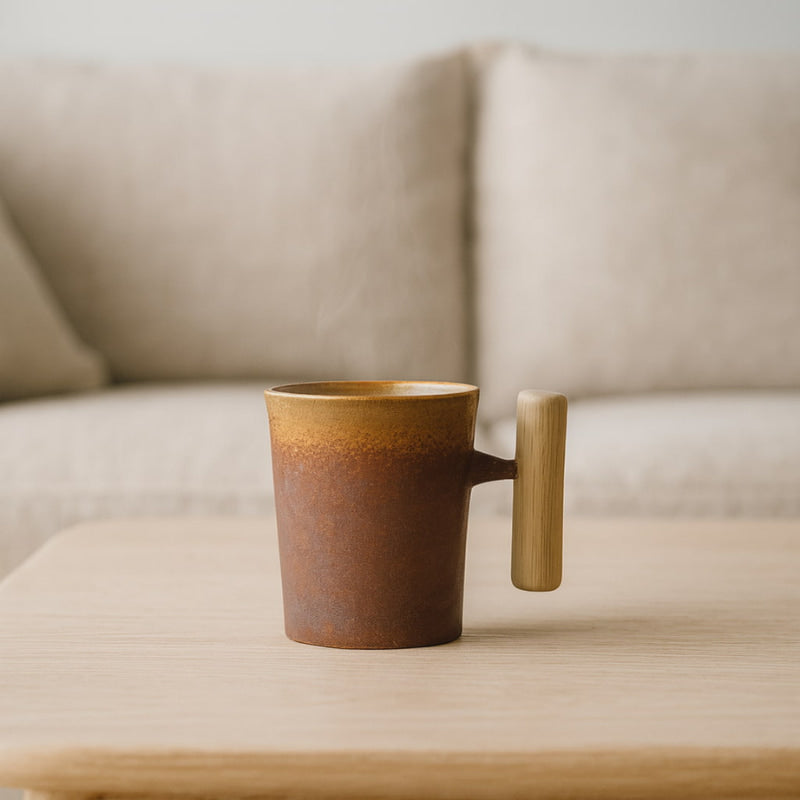
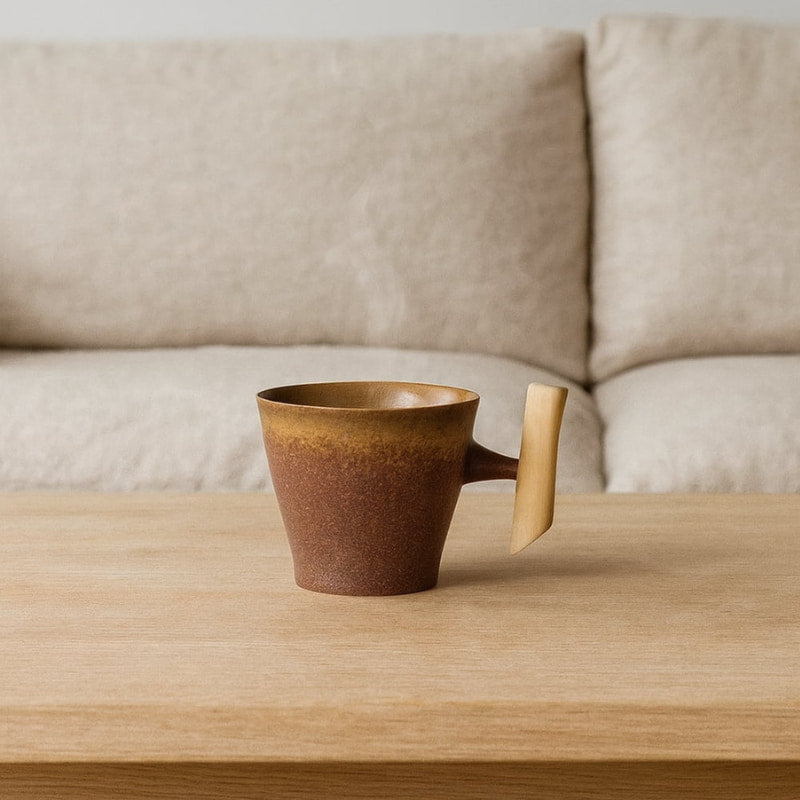
Begin with form that respects the hand. A well-proportioned bowl or beaker supports a steady grip, keeps heat gentle at the lip, and directs fragrance toward the nose. Subtle curves sit softly on the palm and encourage slow drinking. Natural glazes catch light in delicate ways, so the eye stays calm while steam rises. Within this family, a balanced japanese ceramic tea cup pairs tactile warmth with durability, which suits everyday service and focused tasting alike.
Color and texture guide the senses before the first sip. Earth neutrals, ash whites, and mineral greys set a tranquil mood, while fine throwing lines create a rhythm the fingers read. These details help drinkers register sweetness, grass, or toast in the brew. When shelves carry a small range of tones, a set of japanese green tea cups anchors the palette and lets the leaf take center stage rather than the decoration.
Proportion shapes temperature and aroma. Taller cups preserve heat for longer sessions, while wider mouths invite quick whisking and a brighter foam. The right thickness protects lips and fingertips and prevents shock from very hot pours. In homes that honor ceremony and hospitality, a single traditional japanese tea cup on a tray can greet a guest and set the pace for conversation without a word.
Rim design matters. A thin, rounded edge feels smooth and lets the infusion land softly on the tongue, which helps the drinker catch nuance. Slightly flared lips guide aroma upward, while straight rims maintain focus and conserve warmth. For powdered tea or quick morning bowls, a compact matcha tea cup keeps whisked foam lively and supports short, concentrated sips that wake the palate.
Surface finish supports use. Matte interiors show color clearly and help assess strength, while semi-gloss exteriors resist fingerprints and wipe clean with ease. Bases that rise a touch from the table protect surfaces from heat and allow airflow under the foot. When hosts serve multiple guests, a coordinated japanese tea cup set keeps proportions consistent and simplifies pouring so the flow of the gathering stays smooth.
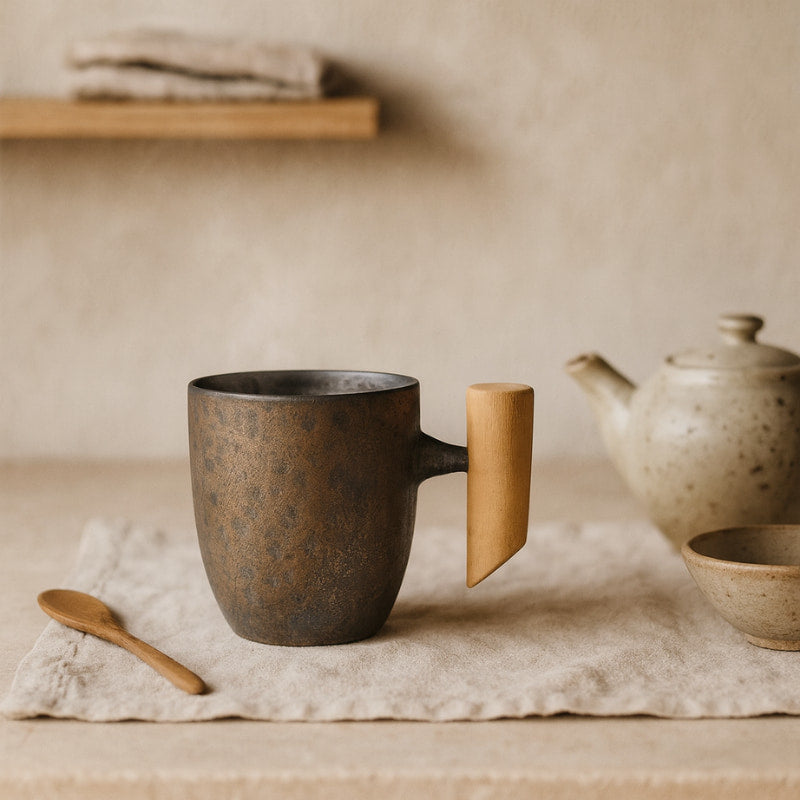
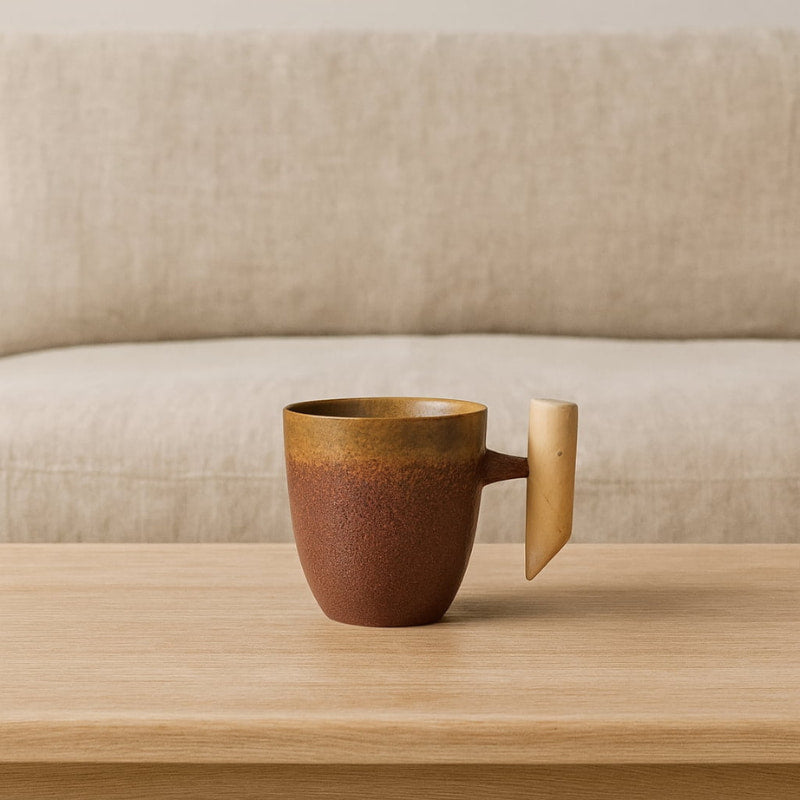
Material choices influence feel and maintenance. Dense stoneware carries weight and holds temperature, porcelain reads light and refined, and clay with visible grog offers engaging texture. Each path supports Wabi Sabi in a different register. Small irregularities carry character rather than flaw, and the home gathers memory as cups accrue gentle signs of use.
Japanese Tea Cups buying guide
Match shape to your tea routine first. Daily drinkers often reach for medium height and a mouth that narrows slightly, so heat lingers and aroma focuses. If the household favors powdered tea on weekends, consider a bowl-leaning profile for whisking, then pour into small cups for serving. Hosts who rotate between sencha, genmaicha, or hojicha benefit from a flexible matcha tea cup set that also handles infusions brewed in a pot or teapot.
Consider context and scale. A compact apartment rewards lighter forms and smaller footprints; a spacious table setting invites broader pieces with generous negative space around them. Shelves with low height call for cups that stack safely without rubbing; open consoles give room for a shallow dish, a tea towel, and a favorite cup. For family service or regular guests, a coherent japanese tea cup set brings order, makes pouring easier, and keeps the look unified without strict uniformity.
Think about lip feel and wall thickness. Thin lips read elegant and cool quickly; thicker lips feel sturdy and hold heat a touch longer. Smooth interior walls whisk and rinse easily, while a faint spiral from the wheel adds subtle grip. Shoppers who search the web for a japanese cup tea often want this balance of refinement and practicality, so pay attention to measurements and material notes on each piece.
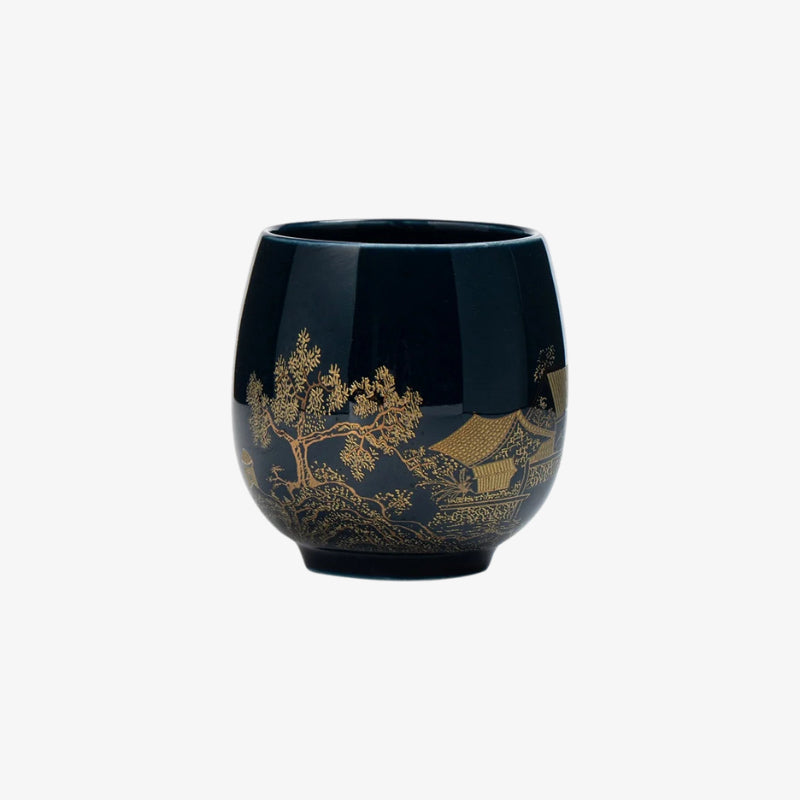
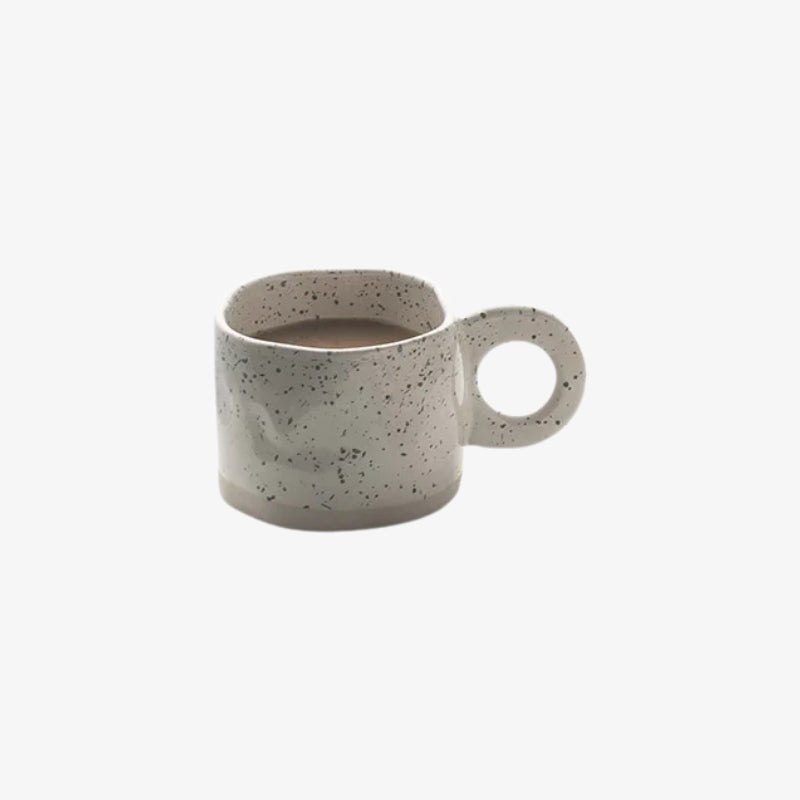
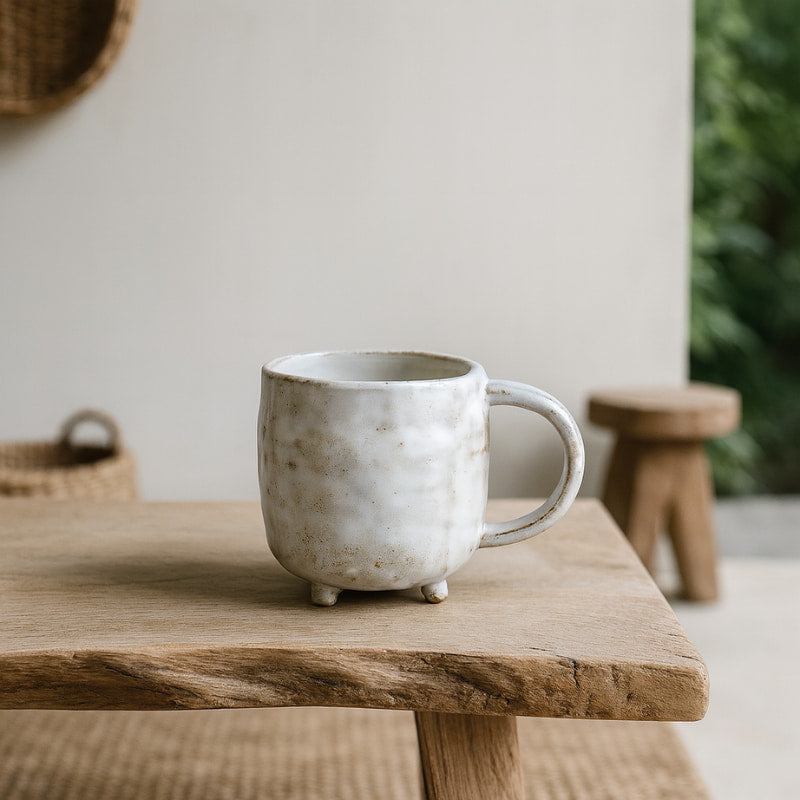
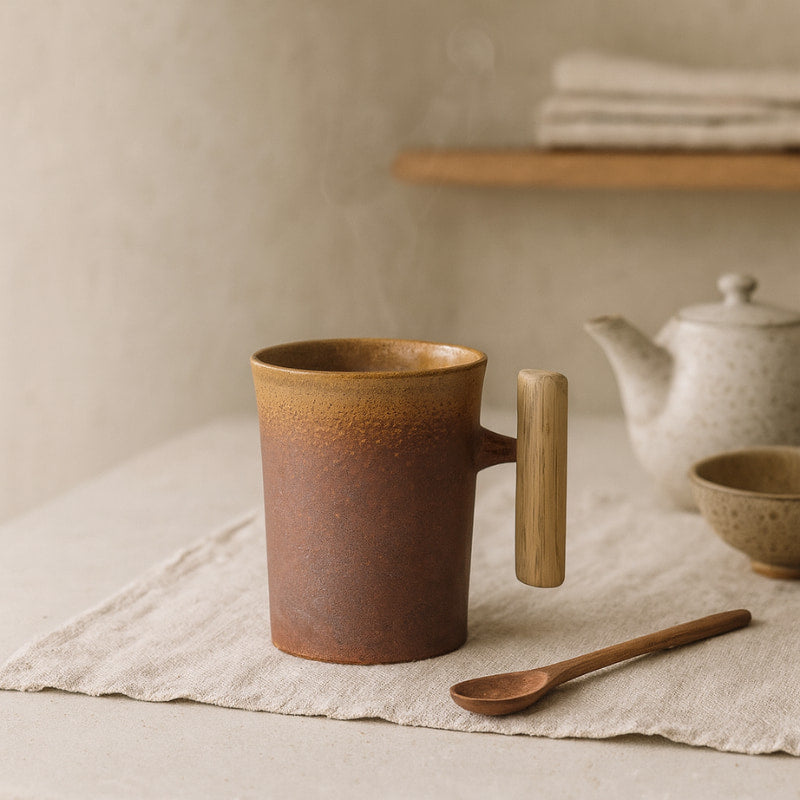
Choose glaze and clay to fit your palette. White and pale celadon show color vividly and suit grassy notes; iron-rich clay and deeper glazes flatter roasted styles. Speckled finishes hide small marks and encourage relaxed, daily use. If your kitchen already leans warm with linen and oak, a soft ivory field keeps the view coherent; if your dining corner favors darker tones, charcoal or ink glazes steady the scene.
Plan for serving style. Solo drinkers may prefer a single favorite and a small tray that carries kettle, cup, and cloth. Hosts who pour for two or three benefit from a pair and a small pitcher for even extraction. When larger gatherings happen, stackable forms travel neatly from cupboard to table. For ceremonial moments, a focused bowl and dedicated cups honor sequence without turning the living room into a stage.
Check dimensions against your brewing method. If you brew in a kyusu, align cup capacity with your pot’s yield to avoid leftovers or uneven splits. If you whisk directly, confirm the bowl width fits your whisk for comfortable movement. As a rule of thumb, everyday sets live in the 90–160 ml range, while dedicated bowls take more volume for vigorous whisking and short, intense pours.
Japanese Tea Cups use and care tips
Set the space before you heat water. Place cup, towel, and tray within easy reach. Warm the cup with a small pour, swirl, and empty, then add the infusion. This quick step steadies temperature and prevents shock. When you pull your favorite vessel from a traditional japanese tea cups stack, the routine clicks into place and the room takes on a calmer rhythm.
Serve with attention to temperature. Cooler water flatters delicate leaves and keeps lips comfortable; hotter water suits roasted styles and brisk mornings. Lift the cup with a relaxed hand and a straight wrist, then breathe once before sipping. Small pauses help the drink open and prevent over-drinking, which lets the session last without fatigue.
Rinse soon after service. Most cups clean well with warm water and a soft cloth. Avoid scouring pads on subtle glazes. If a ring forms from strong brews, soak briefly in warm water and wipe with a soft sponge. Dry fully before shelving to prevent moisture spots, especially on unglazed feet that contact wood.
Store with protection and order. Leave small gaps between cups, or place a thin cloth under stacks to keep rims safe. Shelves feel calmer when you group by tone or height. A shallow tray near the kettle holds the day’s cup, a small dish for a sweet, and a cloth for drips, so the station looks ready and stays tidy.
Rotate cups with the seasons. In cool months, reach for heavier clay that keeps warmth. In warm months, pick thinner walls and pale glazes that read fresh. This rotation prevents boredom and honors Wabi Sabi by letting change mark the calendar without excess purchases or clutter.
Pair with accessories that support the ritual. A neutral towel keeps surfaces dry, a small saucer protects wood, and a simple stand holds a whisk when you switch to powdered tea. If you keep a whisk and scoop nearby, pour a quick bowl and then transfer a portion into a matcha tea cup for a short tasting before breakfast or after work.
Travel with care when you bring cups to a friend’s home. Wrap each piece in soft cloth, use a box with dividers, and pack tightly so nothing rattles. Unpack on a towel, warm the cups, and serve. Shared rituals build memory, and the objects carry that memory back to your shelf in quiet ways that enrich daily life.
Japanese Tea Cups within Wabi Sabi interiors
Place cups where light can graze them rather than glare. Morning sun through sheers gives glaze depth and shows color honestly. In the evening, set a low lamp behind the tray so highlights run across curves instead of into eyes. Shelves that repeat materials—wood with linen, clay with stone—keep the scene coherent and relaxed.
Coordinate height and spacing with nearby objects. A cup beside a small vase reads balanced when the lip lines sit close or repeat a ratio. A low stack near a teapot keeps service agile. Leave breathing room between objects so the eye rests and the hand moves easily. This restraint expresses Wabi Sabi without slogans or heavy symbolism.
Invite guests into the process. Offer a choice between a smooth white glaze and a textured clay cup, or between a taller beaker and a broader bowl. Small choices give guests agency and encourage conversation about aroma, mouthfeel, and warmth. This exchange turns a pour into hospitality, not display.
Connect the tea corner to other rituals. A cup on the desk can mark a writing session; a pair on the terrace can open a quiet evening. Keep a small cloth and saucer near each zone so spills never break the mood. When the home links these stations with consistent materials, the day feels stitched together by gentle pauses.
Anchor the collection with one heirloom or favorite. A piece with a story—a gift, a travel find, a first purchase—holds the shelf steady. Build around it with cups that echo tone or curve, not copies. Over time, the group reads like a journal rather than a catalog, and the room gains depth that no quick styling trick can imitate.
Japanese Tea Cups for matcha and everyday infusions
Keep tools nearby when you switch between styles. A sifter and whisk stand support powdered tea; a kyusu and strainer handle leaves. For quick weekend sessions, pour a whisked bowl and share small portions in a pair of japanese green tea cups to compare temperatures or strengths. This approach teaches the hand and the palate without turning practice into homework.
Balance cup capacity with brew strength. High-grade leaf often sings at smaller volumes and cooler water; roasted or blended styles appreciate a little more liquid and a warmer pour. Note how your favorite cup cools over time and adjust your pace. The cup you use most becomes a teacher—watch the steam, feel the weight, and let habit refine technique.
Host with simple choreography. Line cups from left to right, pour in sequence, and offer the first to the person farthest from the kettle. Place a small sweet in the middle to reset the palate. This quiet sequence reduces shuffle and helps everyone settle into the moment.
Frame the tasting with a clean surface. Wipe the tray between infusions, rinse cups lightly, and dry quickly. Second pours often bloom with softer edges; a clean cup shows that change clearly. When guests notice the difference, the conversation turns from objects to sensation, which is the point of the ritual.
Japanese Tea Cups materials, finishes, and feel
Stoneware carries heft and retains heat, which suits evening pours. Porcelain reads light and shows color with precision, a benefit for grassy or floral notes. Coarser clay adds grip and visual texture that fingers enjoy between sips. None of these paths outrank the others; each expresses Wabi Sabi through tone, touch, and honest aging.
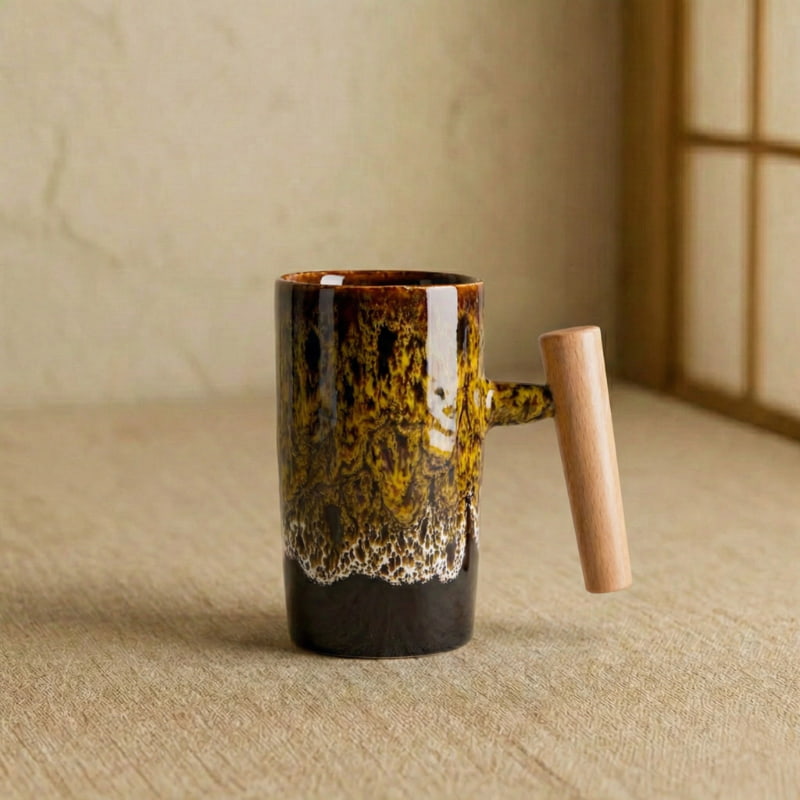
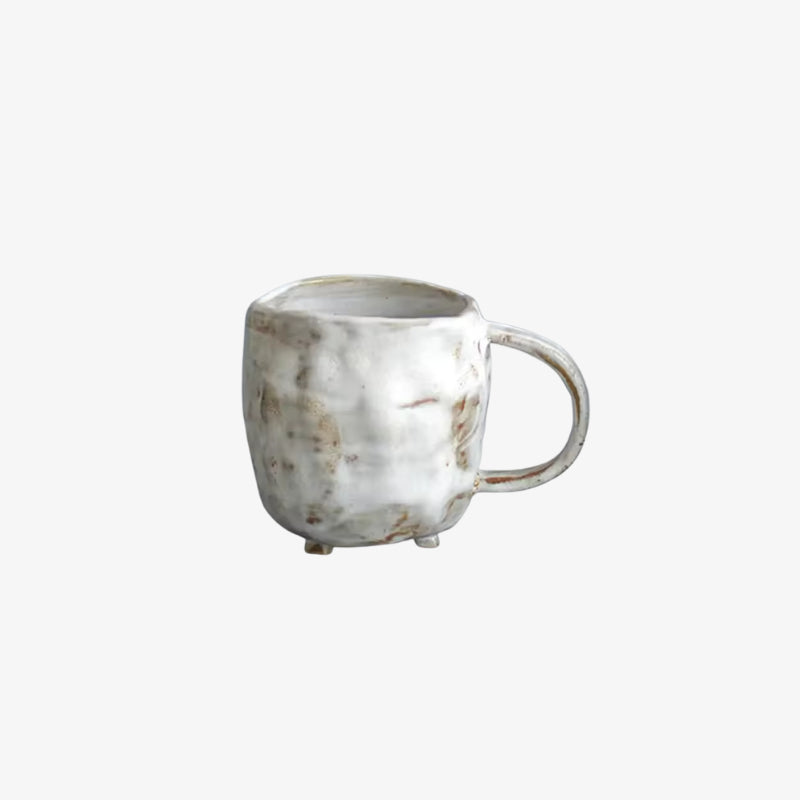
Glazes tell small stories. Celadon hints at water and ice; shino leans warm and milky; iron glazes break at edges and reveal clay beneath. Speckles and pinholes appear naturally and give the surface character that deepens with use. Choose what complements your room and your tea, not what shouts the loudest on a shelf.
Foot rings and bases matter more than most shoppers expect. Cleanly trimmed feet keep tables safe, while slightly raised bases protect wood from heat. Unglazed bands let clay breathe and show the making process. When you lift the cup and feel that ring glide gently on the tray, the brain registers quality without analysis.
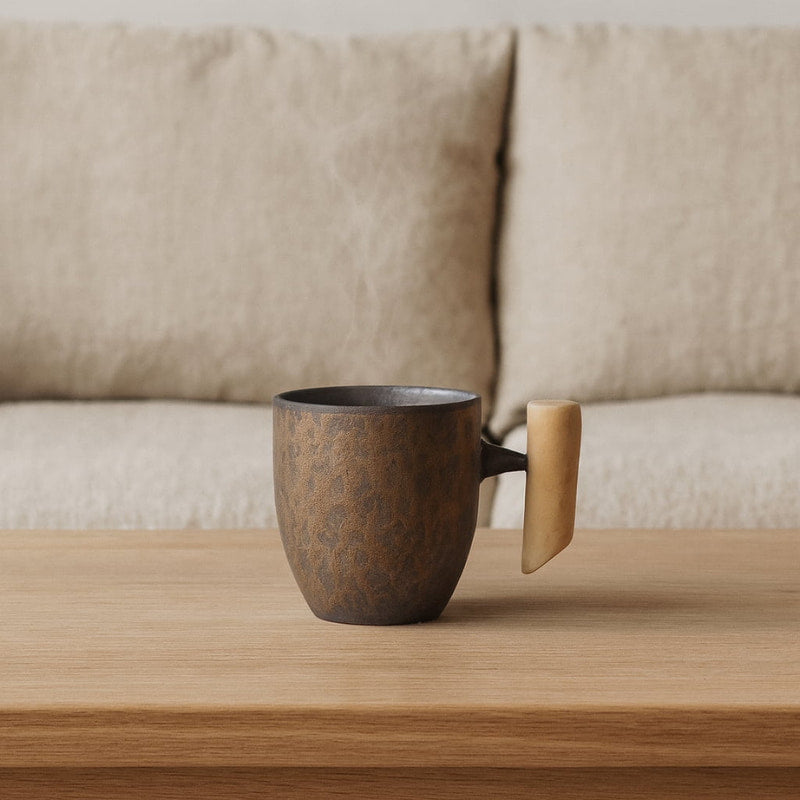
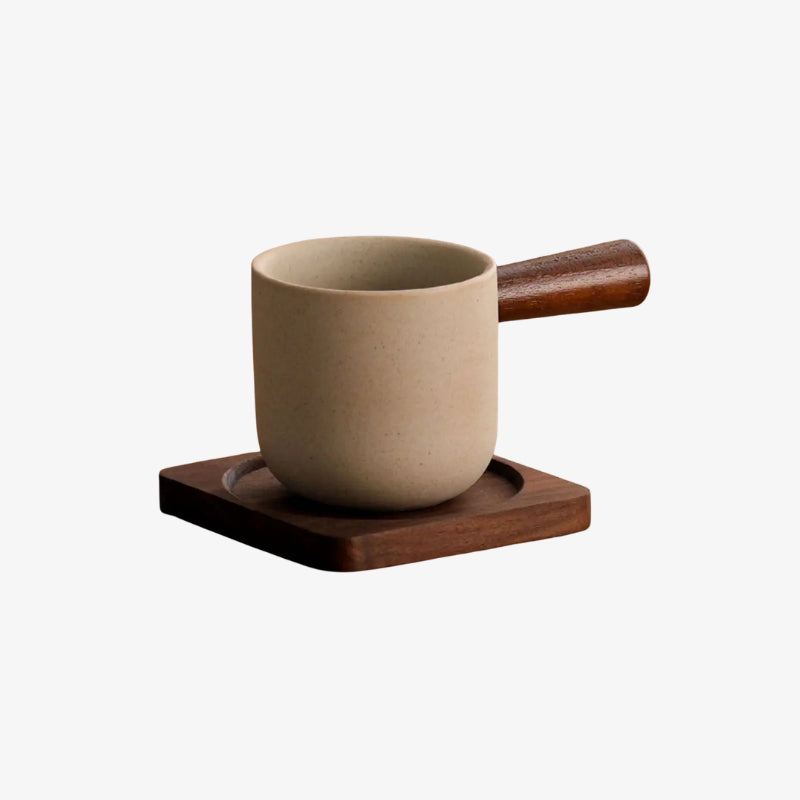
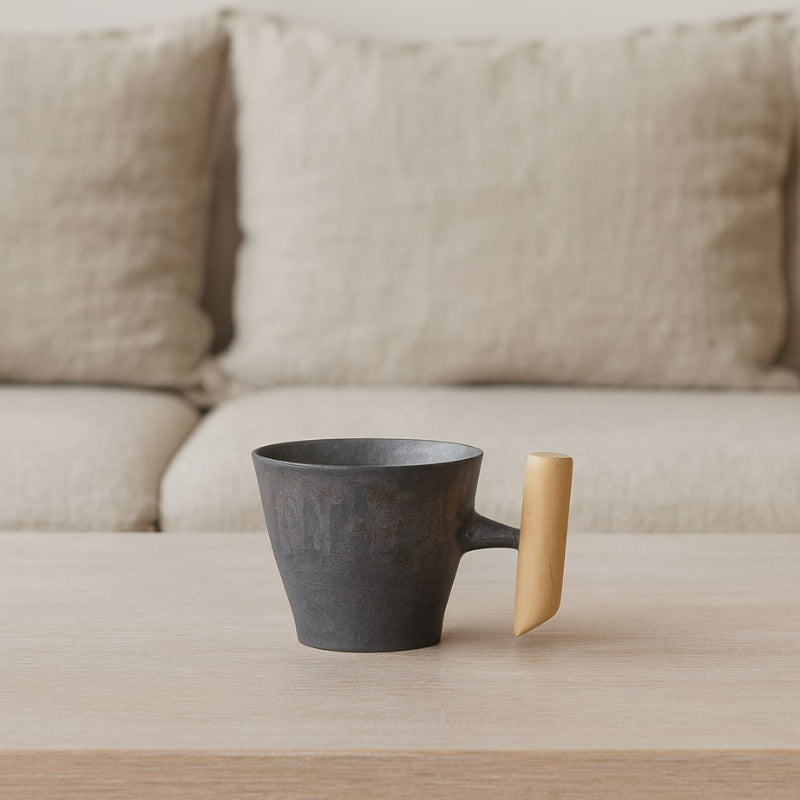
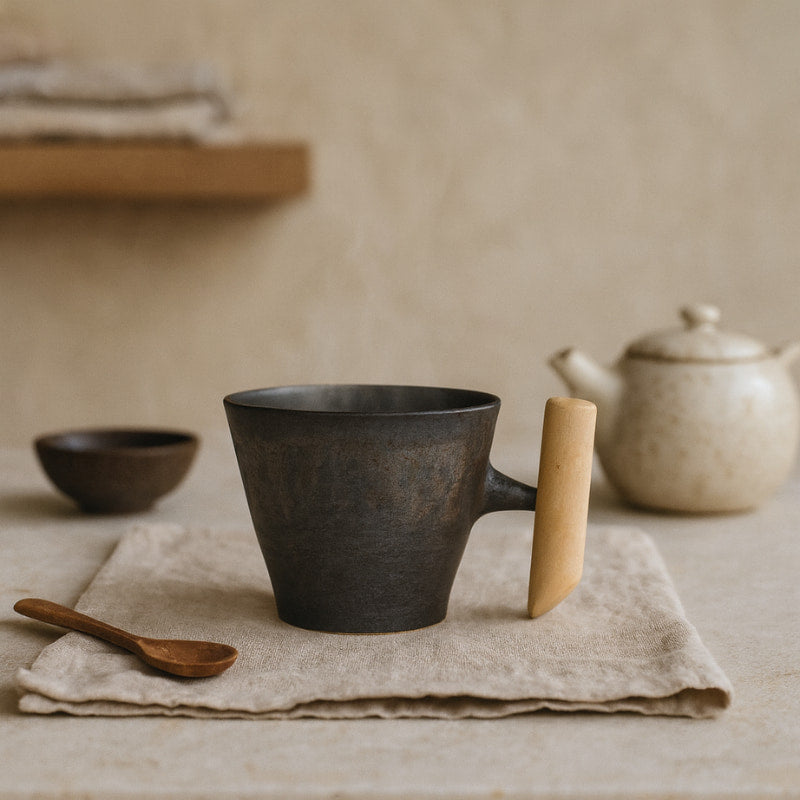
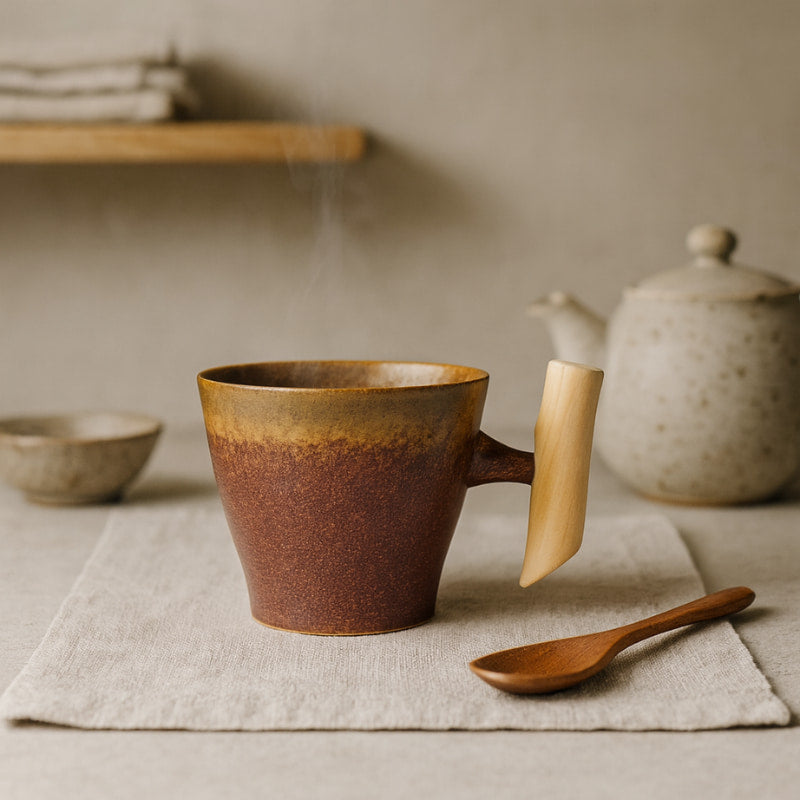
Handles or no handles—both paths work. Handleless cups read quiet and encourage two-hand holding that suits mindful pauses. Small loop handles help with very hot pours or for guests who prefer extra control. Pick one path per setting to keep the look ordered and the service intuitive.
Japanese Tea Cups maintenance and longevity
Rinse soon after use and dry with a soft cloth. Avoid soaking porous clay for long periods. If you brew very strong tea, rotate cups so one vessel does not carry every stain. Small marks and gentle wear record a life well lived and align with Wabi Sabi values that prize use over display.
Protect shelves and cupboards. Line stack areas with thin felt or linen, and lift rather than slide when you move pieces. Check feet for rough spots and smooth them lightly with a soft pad if needed. Keep cups away from heavy cookware that could chip rims or compress stacks.
Travel smart. Wrap each cup in cloth, pack snugly, and use dividers when possible. At your destination, unpack onto a towel and let everything reach room temperature before the first pour. This care prevents shock and respects the time embodied in each object.
Refresh the collection with intention, not impulse. Replace a chipped daily driver with a similar volume and weight so muscle memory stays useful. Add a new glaze only when it harmonizes with the palette. The cupboard then reads as a quiet chorus rather than a random choir.
Invite the set into other moments. A small cup can hold herbs on the cook’s counter, pencils on a desk, or a flower on a nightstand. These casual roles keep the objects close and ready for tea at the next pause. Wabi Sabi values utility and presence together, so the home feels alive without clutter.