Read more
Matcha Bowl introduction and why it matters
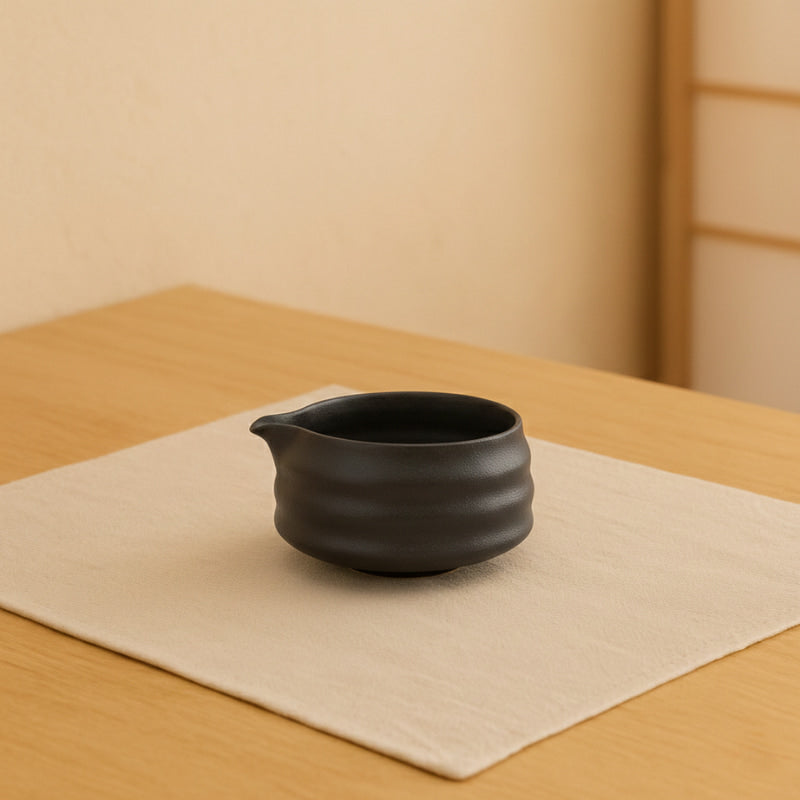
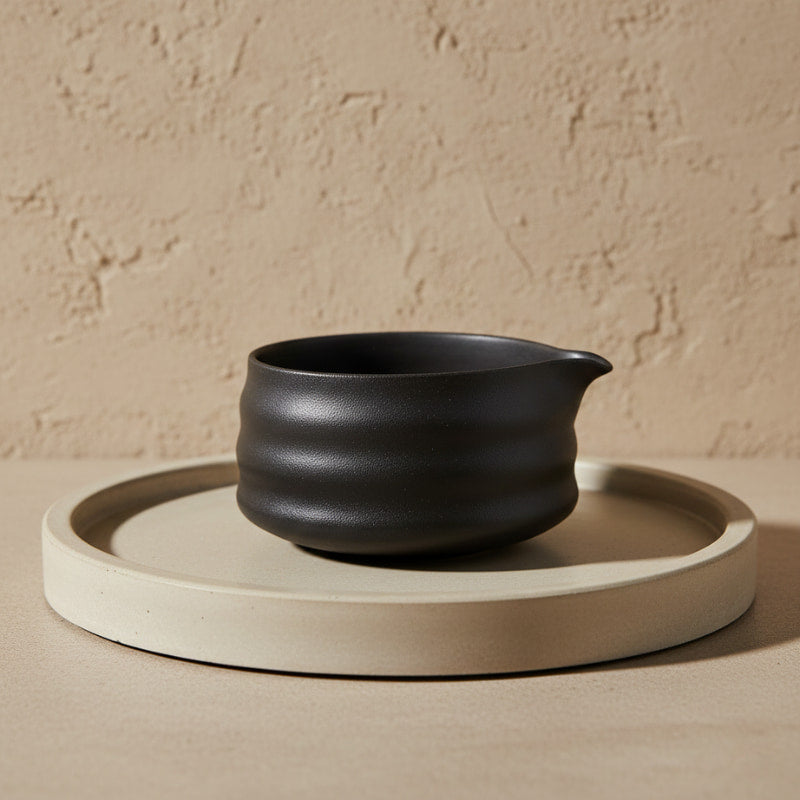
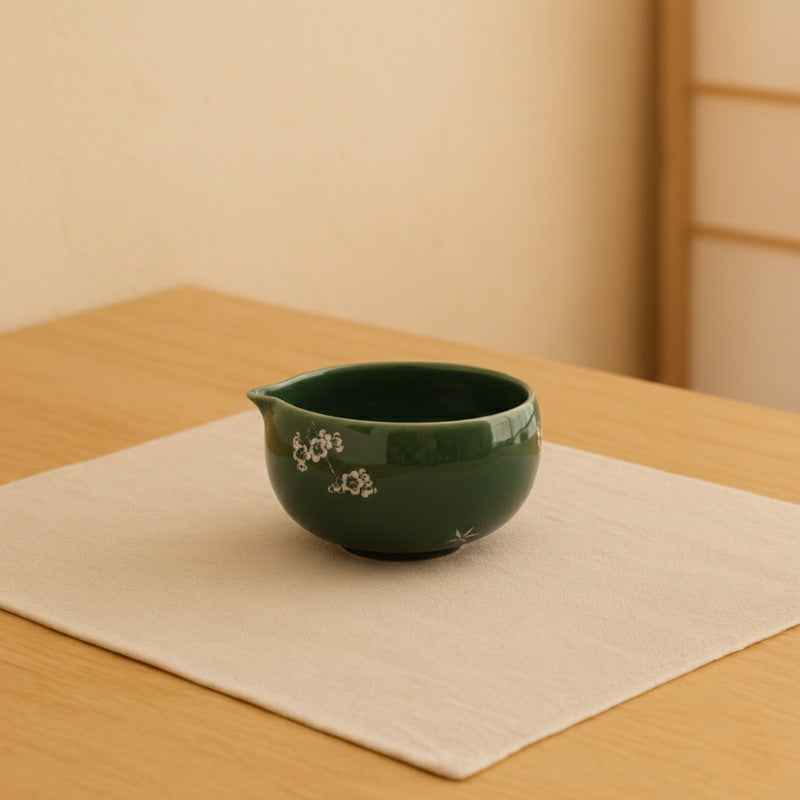
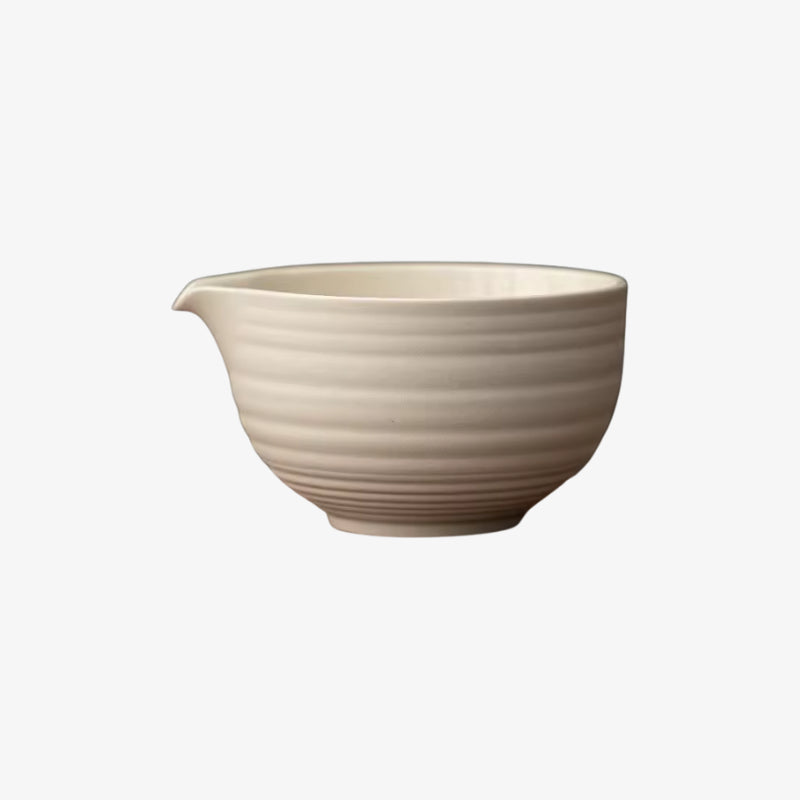
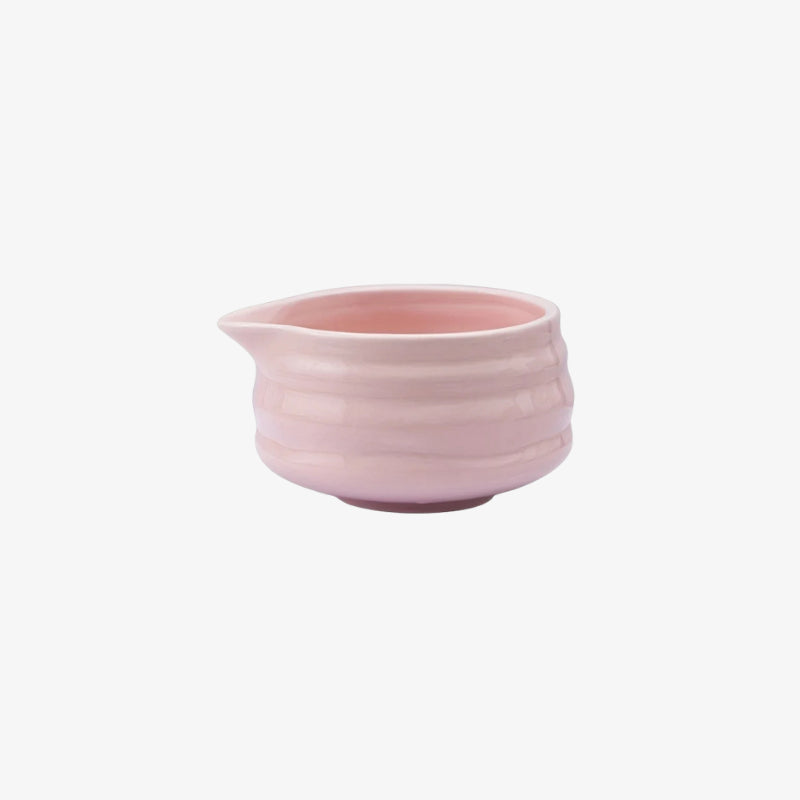
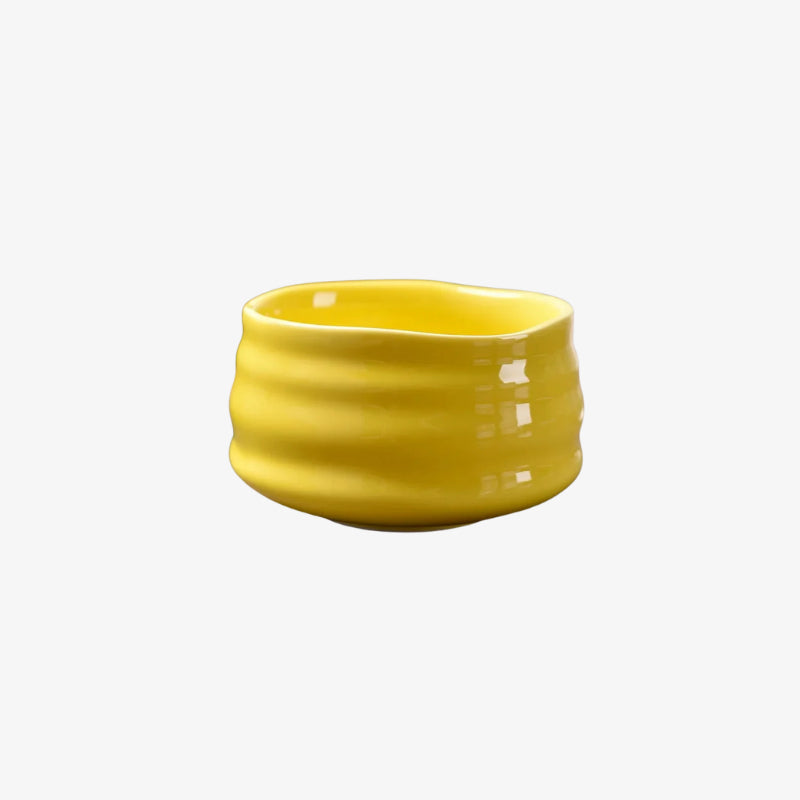
Set the tone for the day with a vessel that invites focus. In the quiet before work or the pause after dinner, a well shaped Matcha bowl supports both grip and gaze so movements stay precise and unhurried. Curve, wall height, and base ring guide the whisk, while a readable interior helps you judge foam and density. When the bowl feels right, the body settles and the room follows.
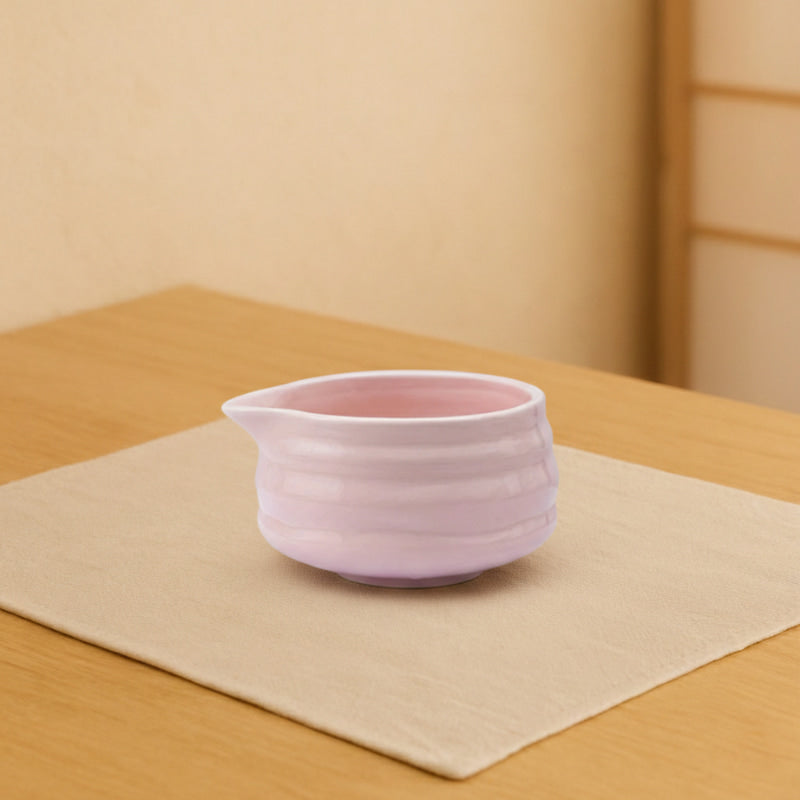
Choose a profile that speaks to the ceremony you enjoy. A gently open rim welcomes air for fine bubbles and a bright finish, while a tighter mouth encourages a thicker, glossy crema. In homes that value tradition and practicality, a refined japanese matcha bowl bridges formal service and everyday use without turning the counter into a stage.
Honor lineage and ergonomics together. A classic silhouette known as a chawan matcha bowl rests easily in two hands, lifts heat away from the table, and anchors the eye with quiet geometry. You keep movement smooth because the foot ring stabilizes the form and the wall thickness holds temperature through slow, attentive sips.
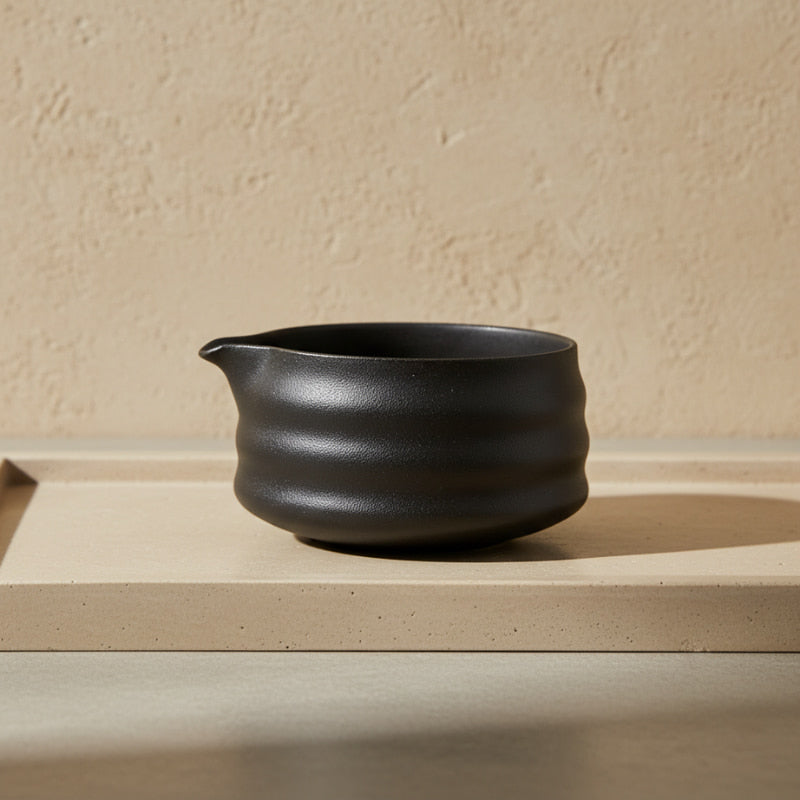
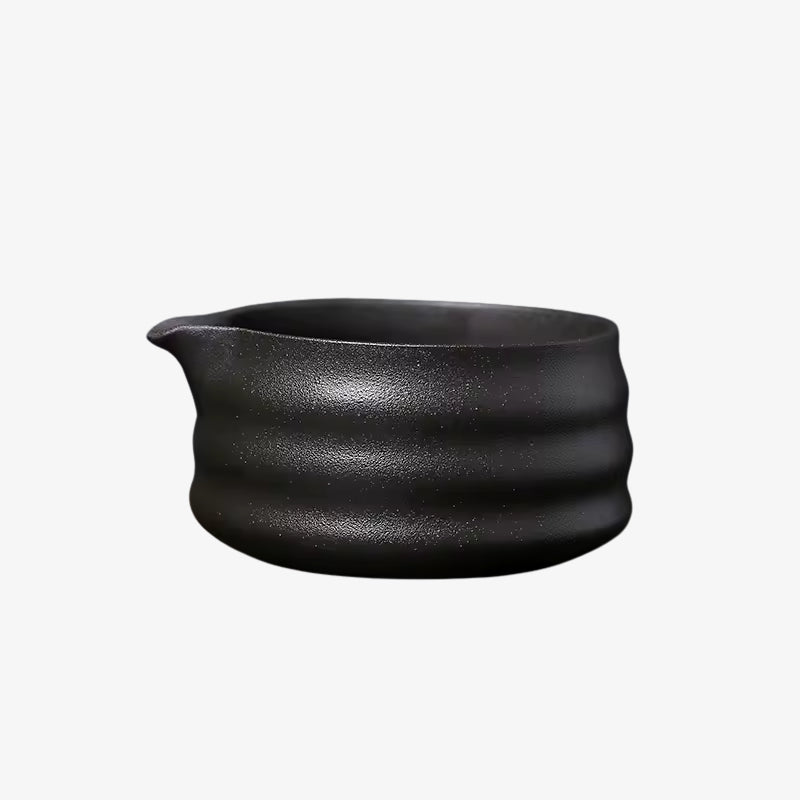
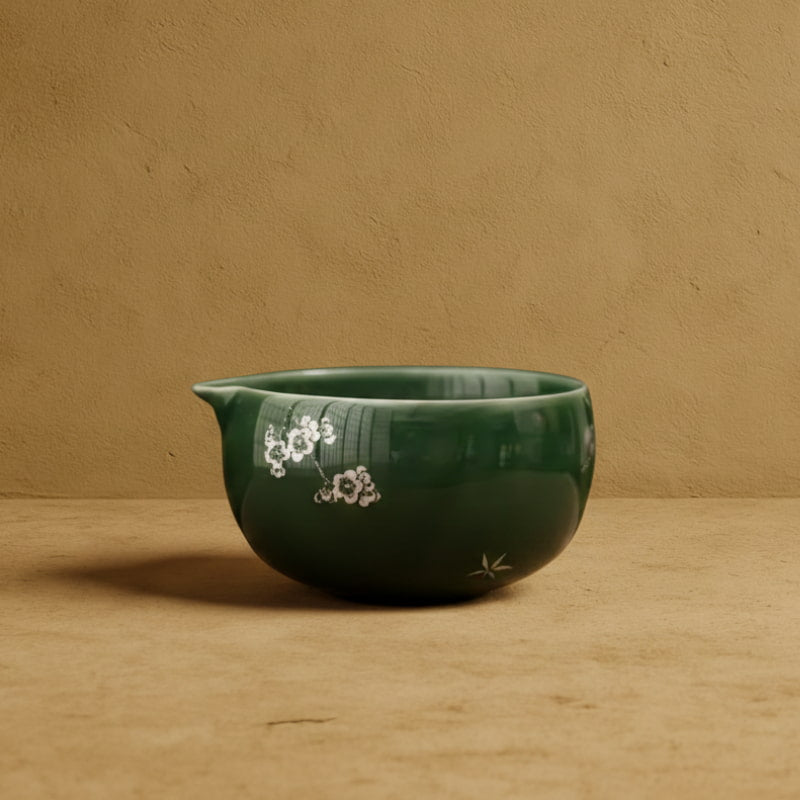
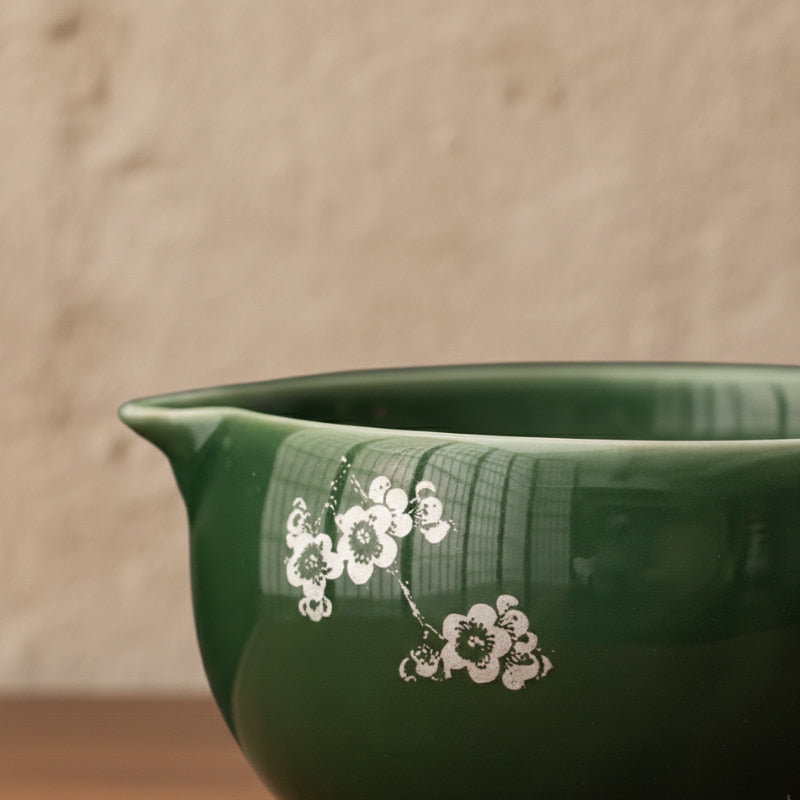
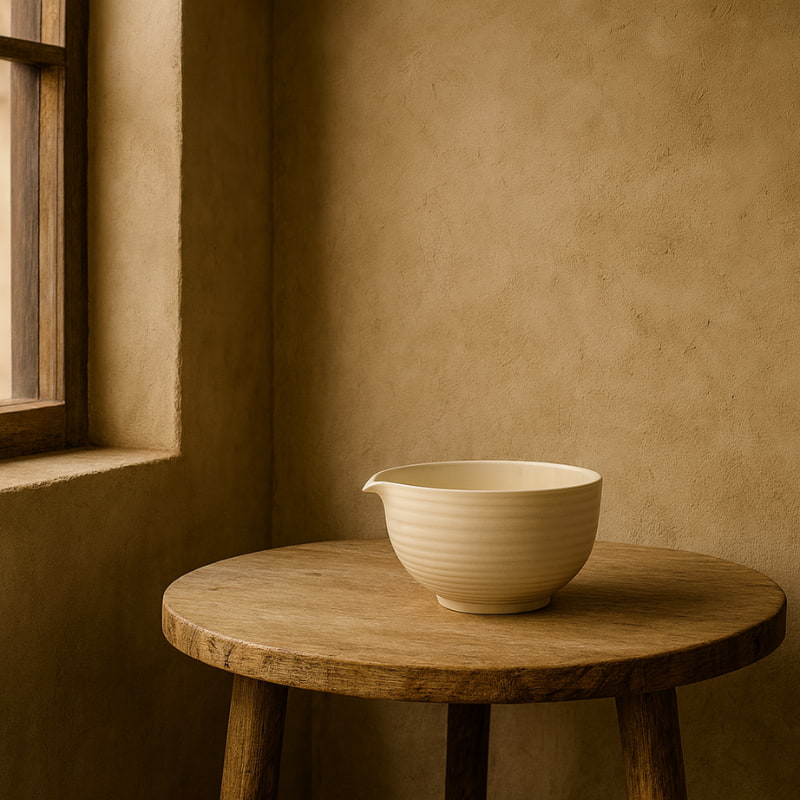
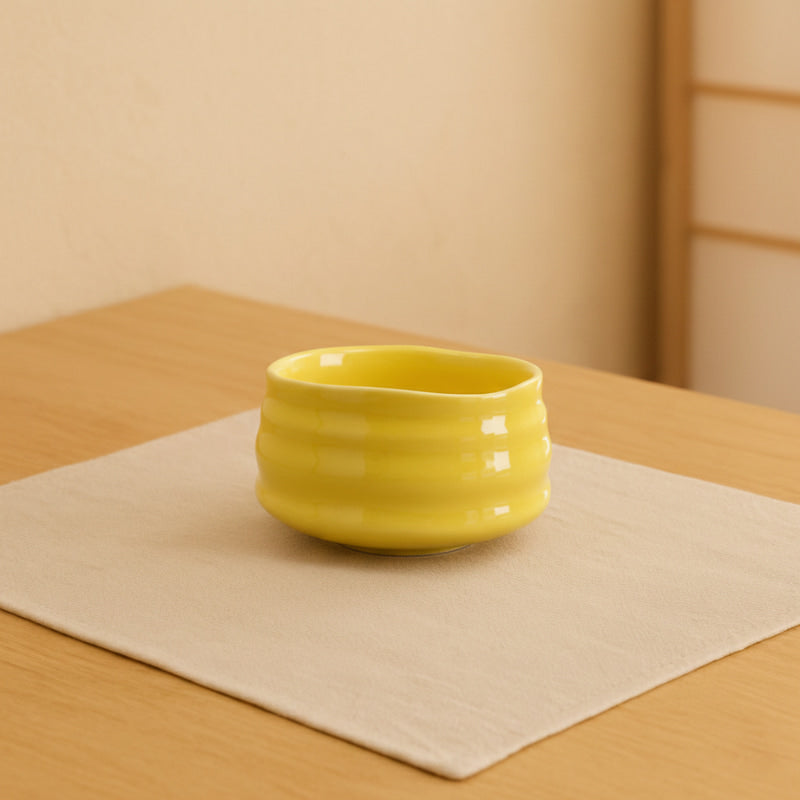
Let material do real work. A thoughtfully glazed ceramic matcha bowl shows color clearly, cleans without fuss, and hides small marks so you keep using it daily. Matte exteriors resist fingerprints, satin interiors reveal texture, and subtle throwing lines add rhythm that fingers enjoy between whisk strokes.
Match the bowl to your preferred texture. If you favor a vivid, aerated cup, choose a width that supports fast, shallow whisking. If you lean toward a deeper, concentrated pour, pick a taller profile that steadies the wrist. Either path finds harmony when you tune proportions with a responsive matcha green tea bowl that makes technique feel natural.
Matcha Bowl features and benefits
Build the kit around harmony. A balanced matcha bowl and whisk pairing keeps motions comfortable and foam reliable. The whisk should bloom freely without hitting the wall, the bowl should fit the palm without strain, and the rim should invite a clean sip. When tools align, results improve without extra effort.
Use shape to guide speed. A broad lip on a responsive matcha whisk bowl gives room for quick zigzag strokes, while a soft shoulder helps you knead slowly for denser foam. You keep splashes low and control high because the form supports the method rather than fighting it.
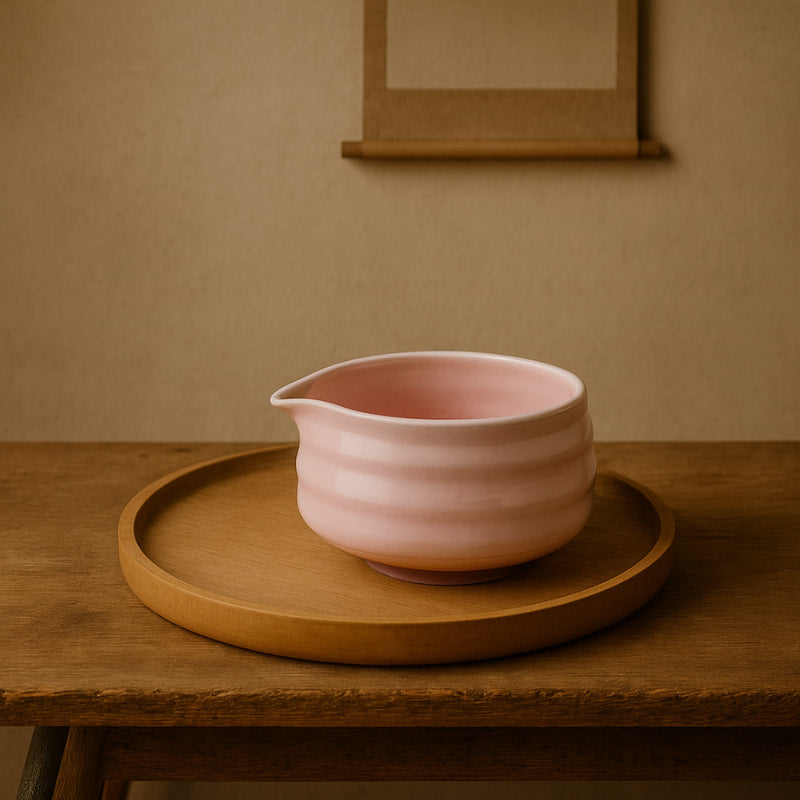
Serve with grace when guests arrive. Pour a whisked bowl into small cups or offer the vessel directly for a mindful first sip. A well proportioned japanese matcha tea bowl reads elegant on a tray with a cloth and a small sweet. The scale stays human, the sequence stays simple, and conversation starts without prompting.
Respect the tools that shape texture. After you whisk, rest the chasen on a holder so the tines keep their curve. A routine that includes a measured scoop and a stand turns cleanup into a minute of care. With a tidy station, a compact rhythm of matcha brush and bowl keeps quality high and stress low from weekday mornings to weekend sessions.
Keep the collection coherent without clutter. If you enjoy hosting or sharing sessions, choose a coordinated matcha bowl set that stacks safely and returns to the shelf as a single unit on a shallow tray. Matching heights and close tones build rhythm, which helps hands move smoothly even when the kitchen feels busy.
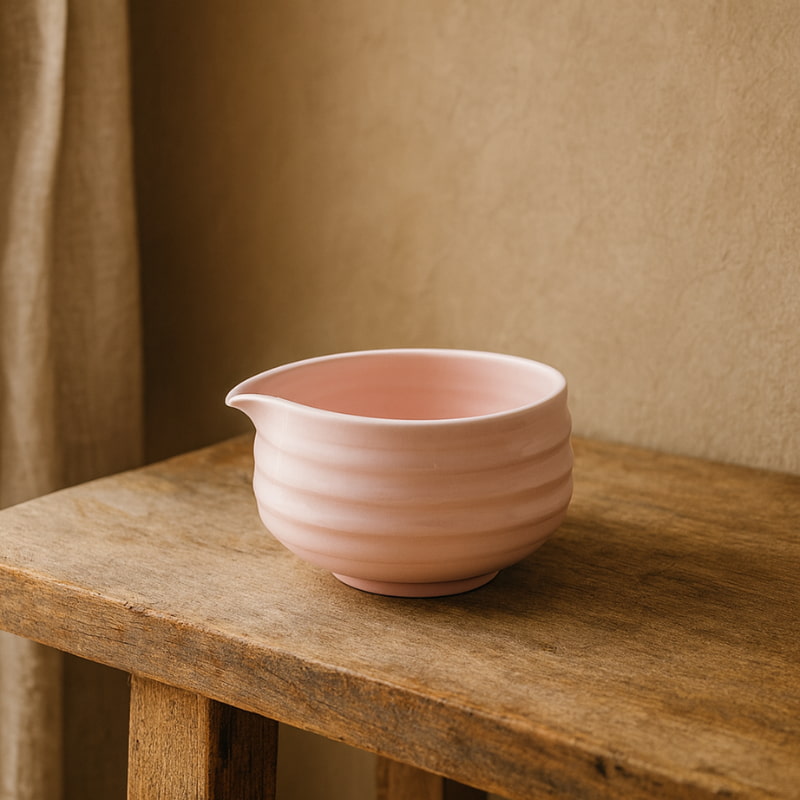
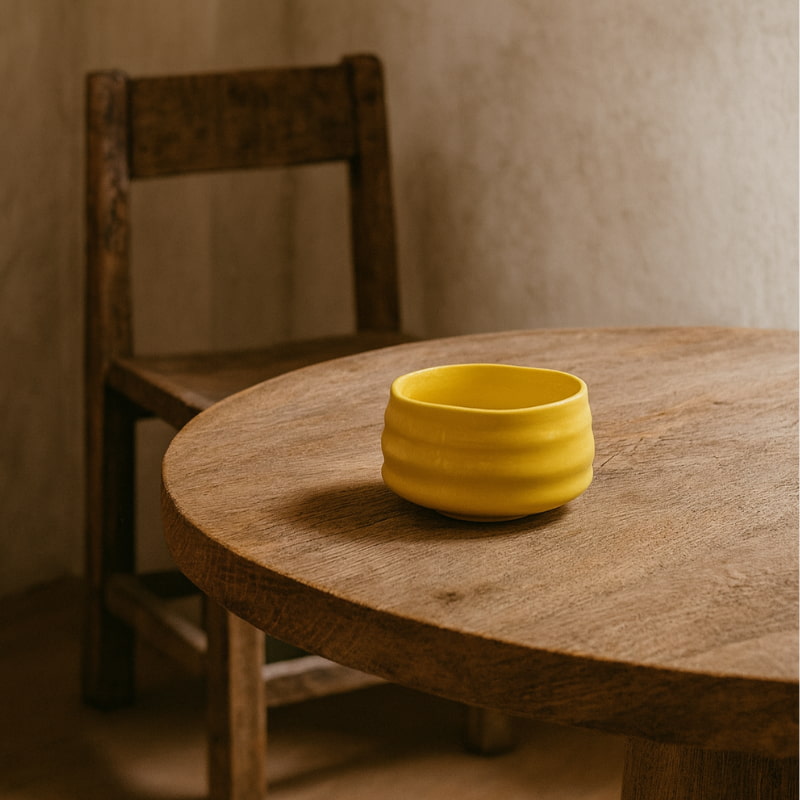
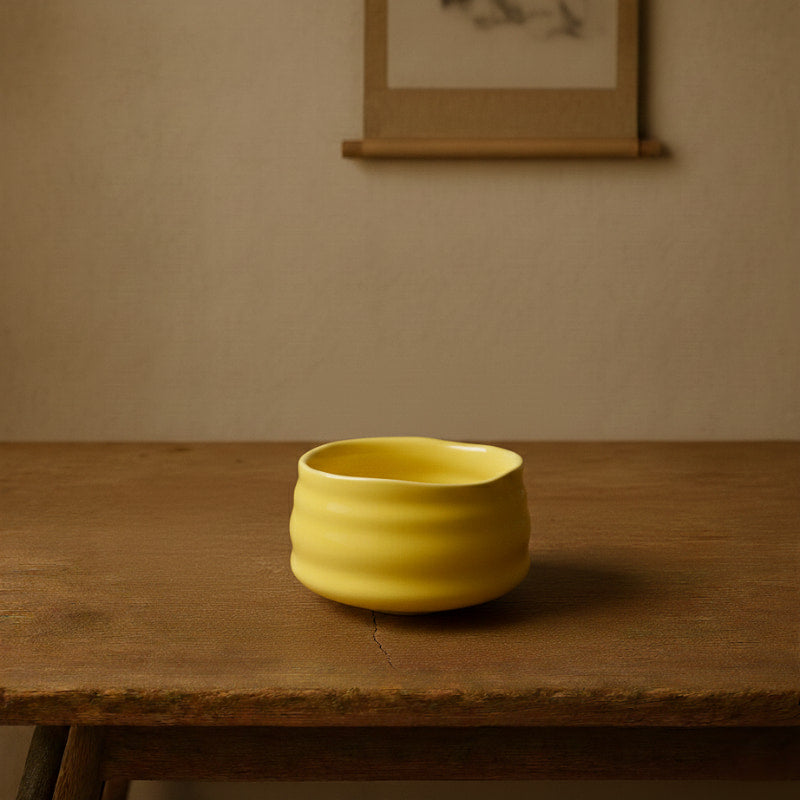
Let personality appear without noise. Soft color accents and playful textures can live inside the discipline of Wabi Sabi when you place them thoughtfully. A pair of cute matcha bowls for sunny afternoons adds lift to the ritual while the core palette remains calm and grounded.
Matcha Bowl buying guide
Start with function, then style. Measure the width you whisk comfortably, note your preferred foam, and map the path from kettle to tray. A flexible stack of match bowls covers single-serve focus and quiet sharing for two, which keeps the routine adaptable without adding visual weight to shelves.
Match clay and glaze to the teas you drink most. Pale interiors flatter bright greens and make microbubbles easy to read, while deeper tones suit roasted styles and evening light. A family of japanese ceramic bowls in warm neutrals builds coherence across the counter and supports a clean, readable pour every time.
Think about how the piece sits in the hand. Weight signals quality only when it serves comfort. A balanced foot, rounded lip, and steady wall thickness feel right from the first pour. When you browse options labeled as japanese bowl ceramic, look for a base that lifts heat from the table and a rim that touches the lip softly.
Choose a silhouette for both whisking and sipping. A form that welcomes vigorous strokes should also pour without drips and sit well under the nose. For homes that move between ceremony and casual tea, a versatile japanese tea bowl earns daily use because it supports multiple roles with quiet confidence.
Plan the table as a whole scene. Trays, cloths, and small plates finish the composition and protect surfaces. When you serve a sweet or a small side, repeat material once to tie the story together. A measured mix of japanese plates and bowls keeps the eye calm and the hands guided from prep to sip.
Balance heritage and comfort. Some sessions ask for more volume and a taller wall, others feel better with a compact mouth and faster foam. A hybrid profile often bridges both needs. If you see a form named a matcha chawan bowl, expect a shape that respects lineage while still serving modern routines with ease.
Matcha Bowl use and care tips
Prepare the station before you heat water. Place bowl, whisk, scoop, and cloth within easy reach. Warm the vessel, discard the water, sift the tea, then whisk. This short sequence feels like a breath and sets posture for the rest of the day. When the setup reads clear, you focus on aroma and sound rather than tools.
Work the whisk with intention and a relaxed wrist. Start slow to combine powder and water, then move quickly near the surface to build fine foam. Knead lightly when you want a denser, glossy finish. The right interior curve supports both techniques, and a responsive matcha whisk bowl keeps strokes accurate without splashing.
Serve according to the moment. Solo drinkers can sip directly from a balanced japanese matcha bowl, while hosts can portion into small cups for guests. Set the bowl on a cloth to protect wood, breathe once, then drink. These small habits create a steady rhythm that keeps attention on taste.
Rinse tools right away. Hold the whisk under warm water, shake gently, and set it on a stand. Wipe the scoop dry and avoid detergents on bamboo so aroma stays clean. A simple holder prevents the tines from closing, which preserves the tool and keeps your technique consistent from session to session.
Clean ceramics with care and celebrate honest wear. Rinse shortly after use, dry with a soft cloth, and store with a little air around each piece. Small shifts in tone, a faint mark near the rim, or an eased edge record time as memory rather than damage, the heart of Wabi Sabi in daily practice.
Organize a place of ease. A low tray on a sideboard or a shelf near soft light turns preparation into a scene you look forward to. Keep the bowl center, set the whisk and stand to the side, and place a small caddy within reach. When the corner stays ready, the ritual asks very little and gives a lot in return.
Adapt to season and mood. In cool months, reach for heavier clay and deeper glaze that hold warmth. In warm months, choose a lighter body and paler interior that reads fresh. If you host, pair the main vessel with a companion cup from your collection of japanese ceramic bowls so guests can compare textures without breaking flow.
Travel with intention when you share the ritual away from home. Wrap the vessel in soft cloth, protect the rim, and use a compact carrier. On arrival, let the bowl reach room temperature before the first pour. A small pouch that fits a matcha bowl and whisk keeps quality high even in borrowed kitchens.
Extend the scene beyond tea without losing focus. A shallow bowl holds fruit at breakfast and sits back on the shelf by noon. A darker glaze frames a simple soup at night. When you switch roles, keep the same measured gestures and the same care for surfaces, and the vessel will continue to feel special rather than precious.
Matcha Bowl materials, profiles, and styling
Read the silhouette like a map. Straight walls feel composed and direct, rounded shoulders feel welcoming and soft. A low center of gravity steadies whisking and pouring. For compact kitchens, stack two or three forms with felt between rims, and let one piece act as the daily driver while the others rotate in on weekends.
Style the surface with restraint. A folded cloth under the bowl protects wood and frames the moment. A branch in a small vase nearby echoes a curve or color from the glaze. Keep counters clear so the bowl owns its stage. When you serve guests, set the tray so the foot ring points forward and the lip meets the hand naturally.
Pair forms for a complete setting. A quiet tray, a soft towel, and a companion from your shelf of japanese plates and bowls finish the picture without crowding it. Repeat one tone from the bowl in the textile or the cup, and let natural light do the rest. This simple harmony turns routine into ritual without effort.
Welcome play within discipline. If color lifts your mood, keep one brighter piece for sunny days. If texture helps you focus, choose a vessel with a pronounced throwing line. A small duo of match bowls lets you adjust volume and feel while the core station remains steady and uncluttered.
Connect ceremony to daily cooking. The same control you practice with water and whisk improves timing at the stove. Plate with space, pour with care, and keep surfaces dry. When the home carries Wabi Sabi values across rooms, the tea corner feels like part of a whole rather than a separate world.
Close each session with a breath and a wipe. Return tools to their places, empty the tray, and let the bowl air dry before shelving. Over months and years, one trusted japanese matcha tea bowl will gather a quiet record of mornings and evenings, and that record will give the ritual weight that new objects cannot imitate.