Read more
How to choose wabi sabi kitchen pieces by use
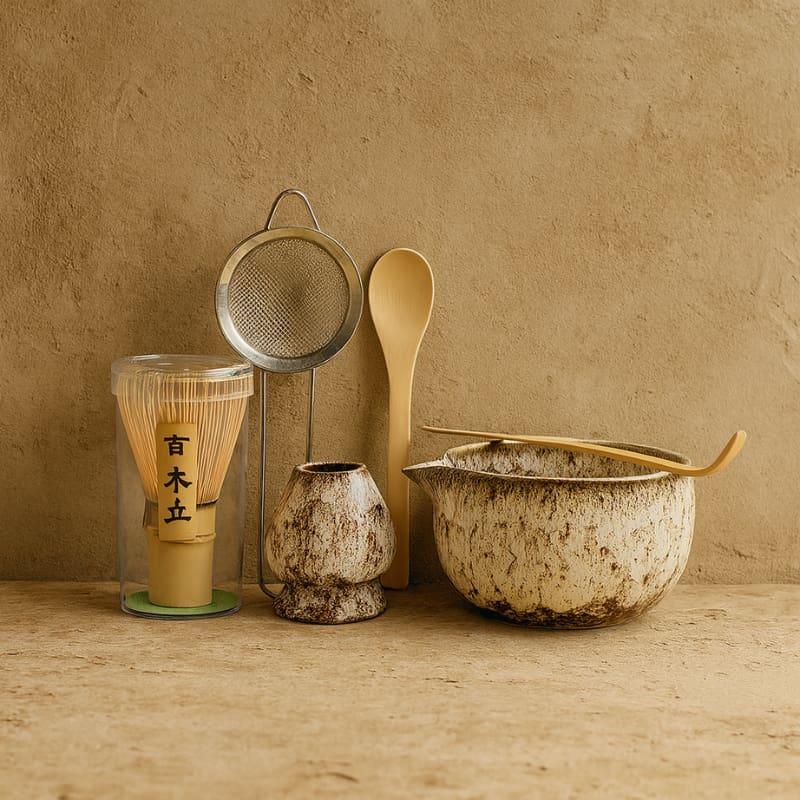
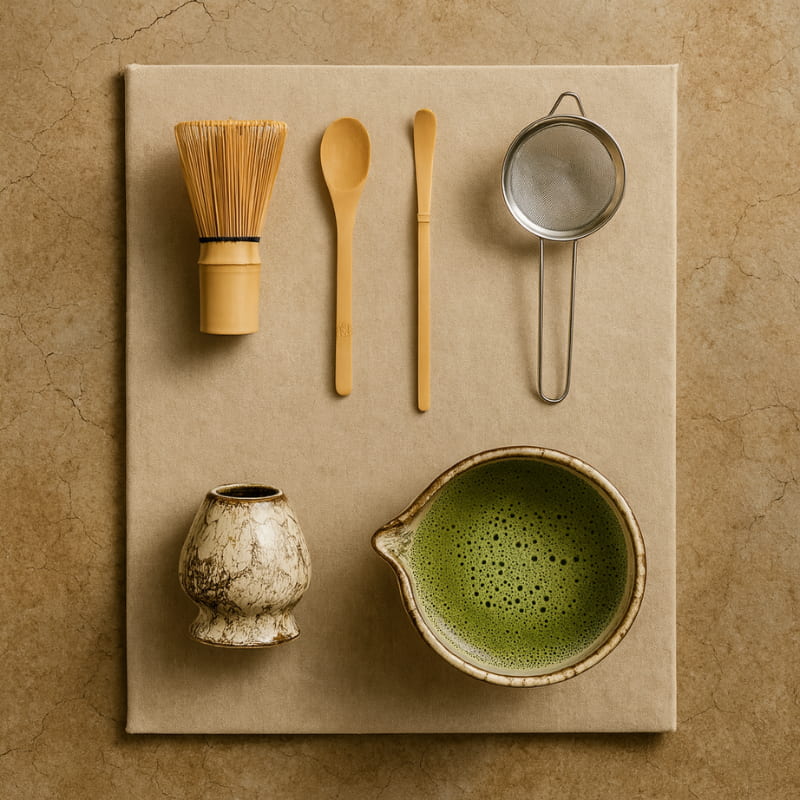
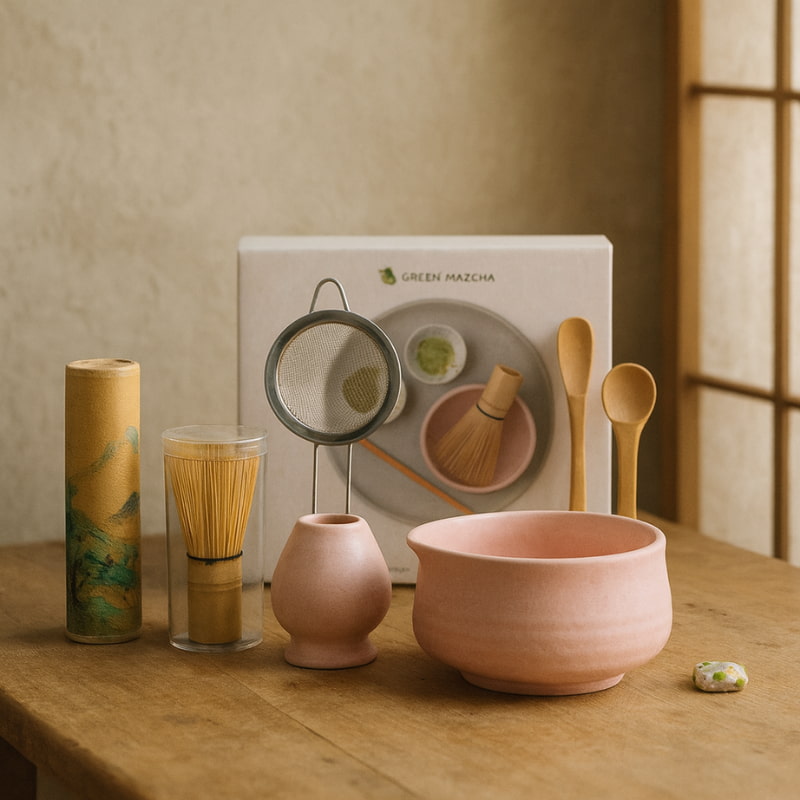
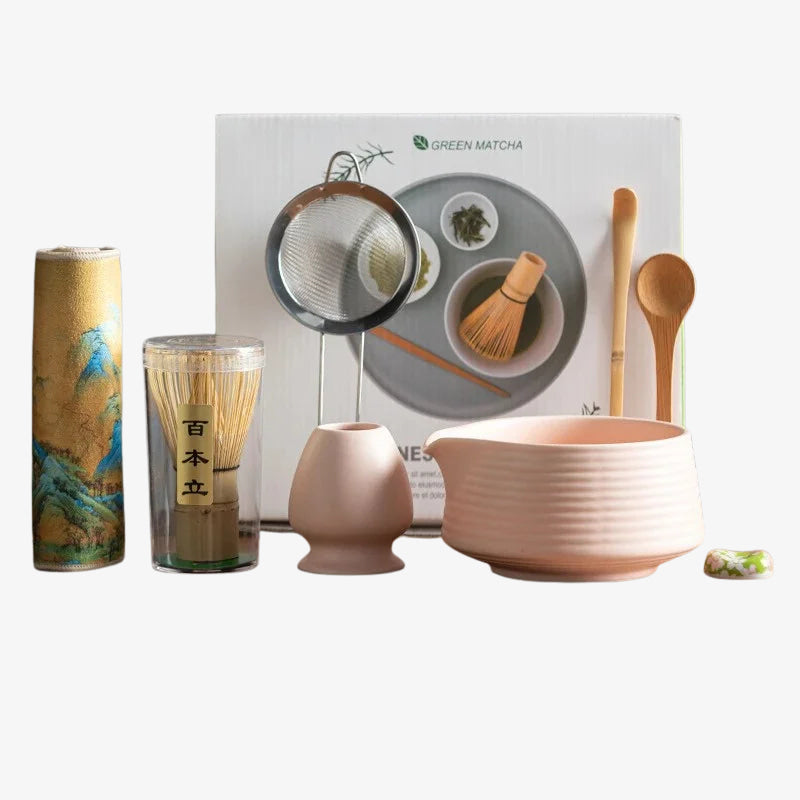
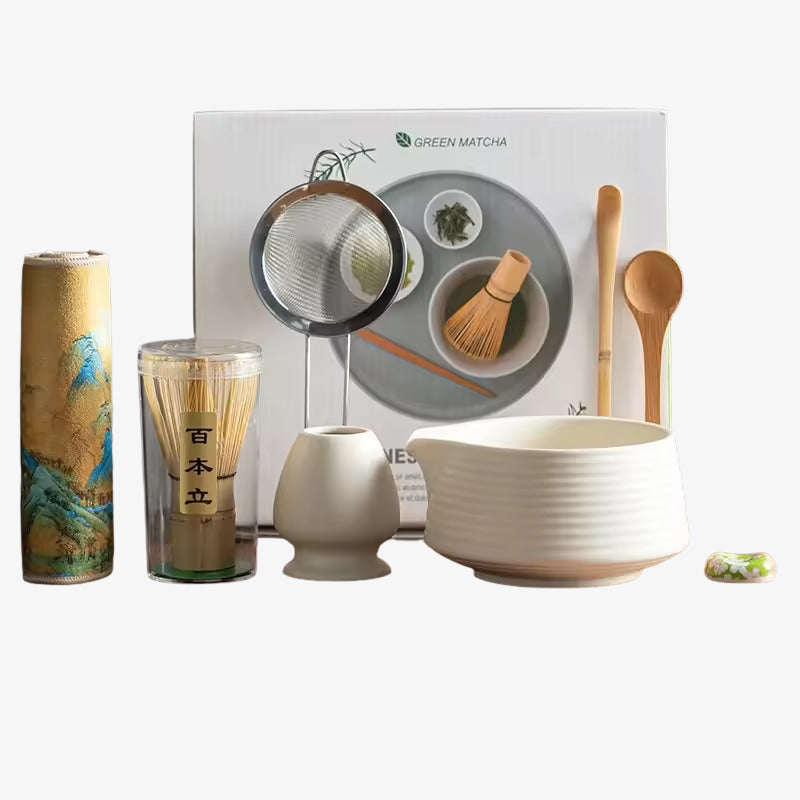
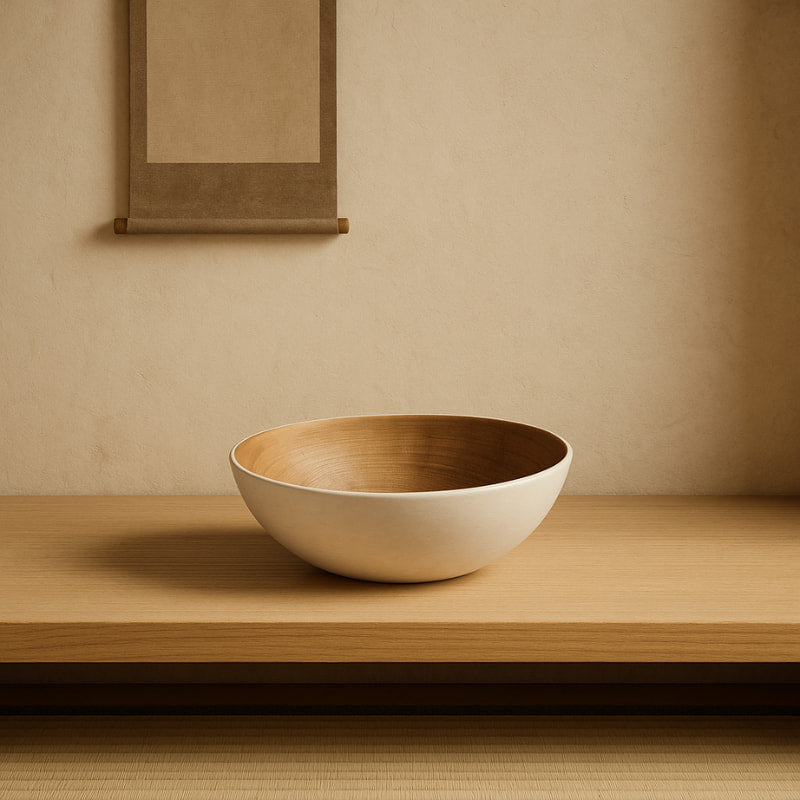
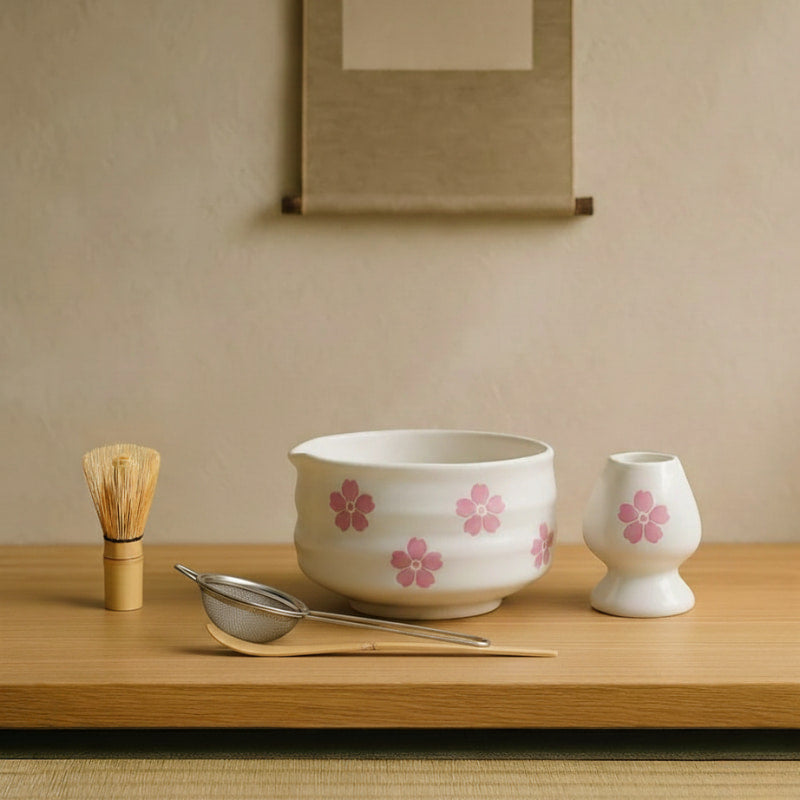
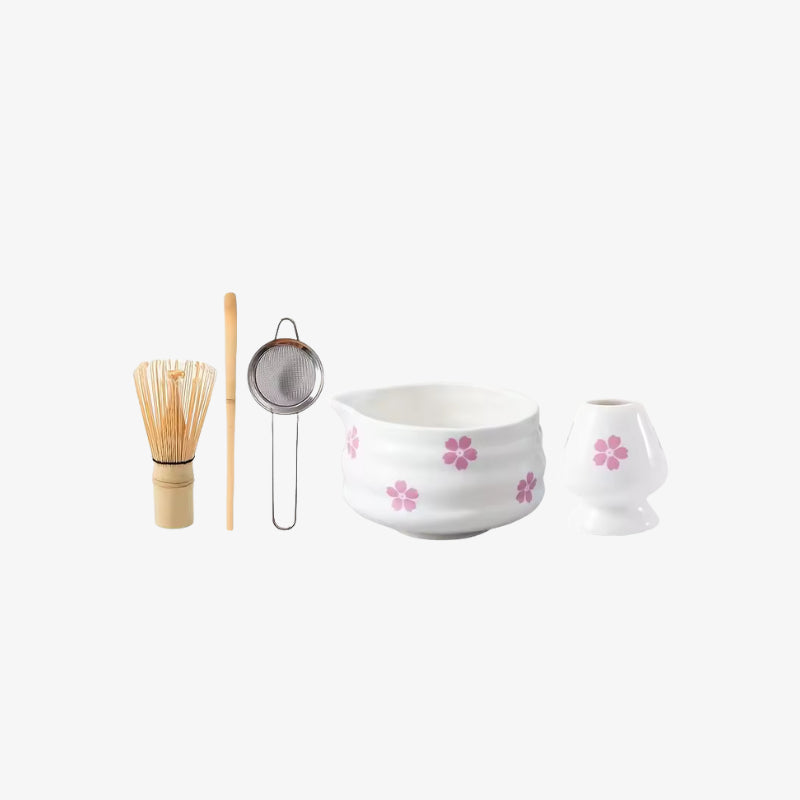
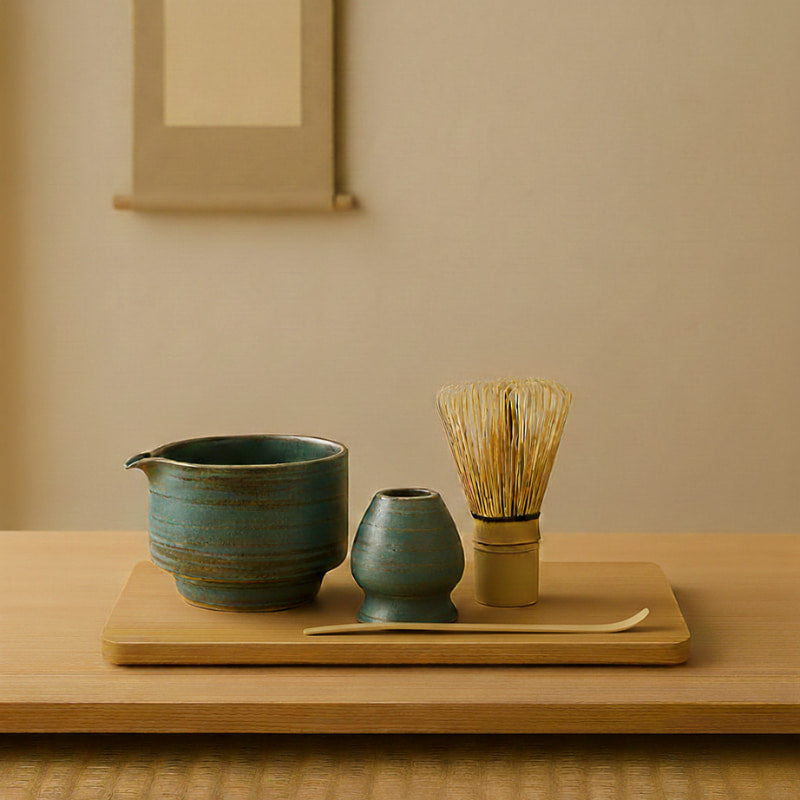
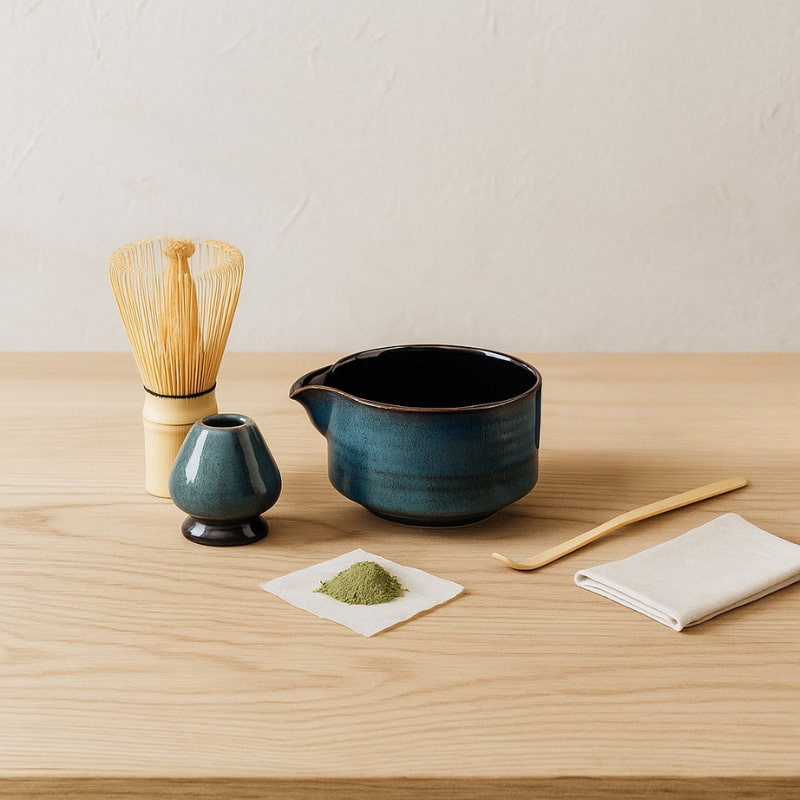
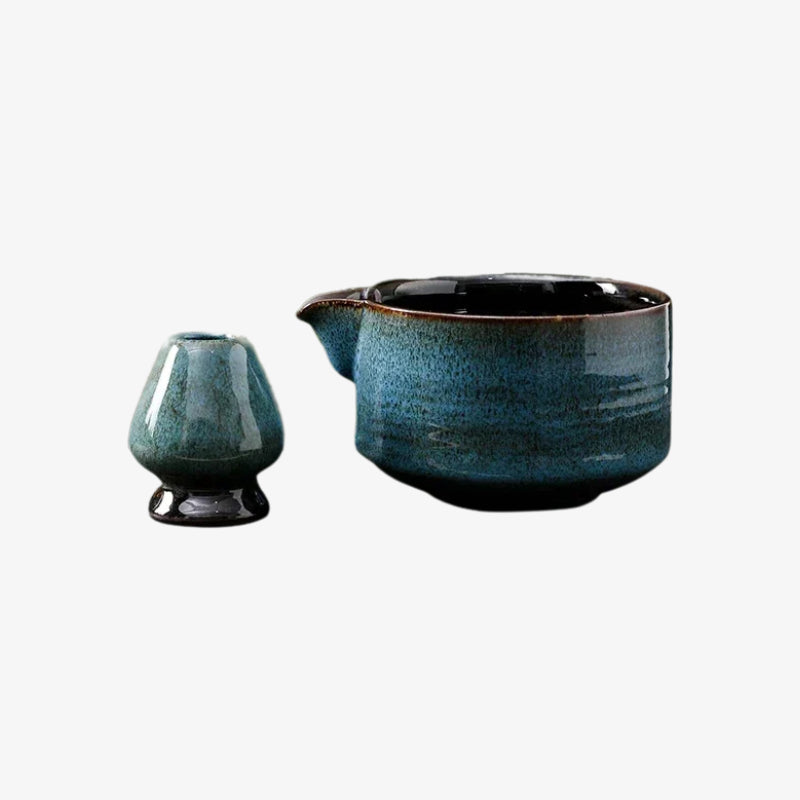
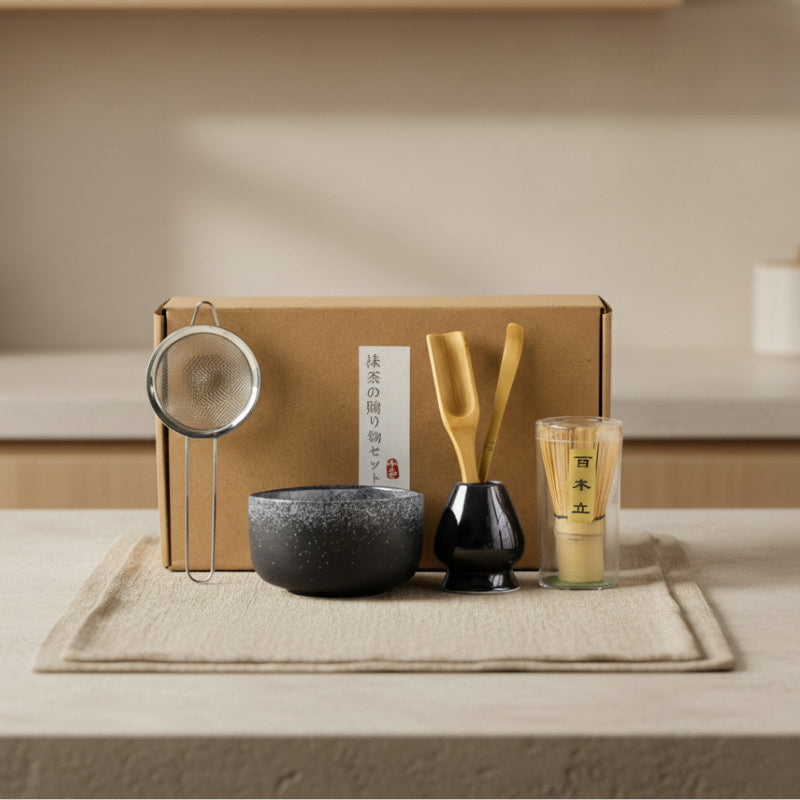
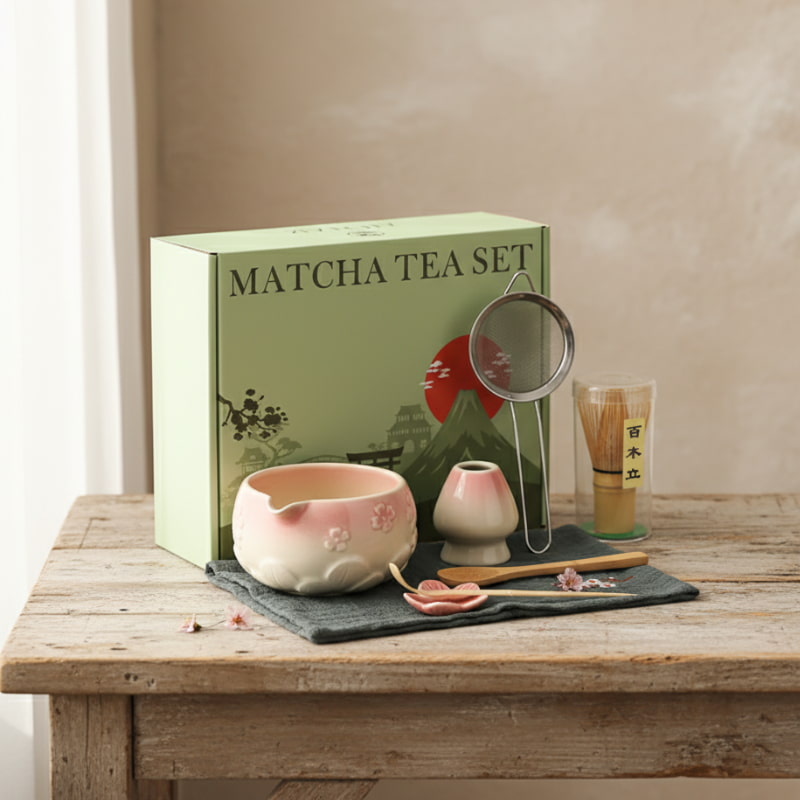
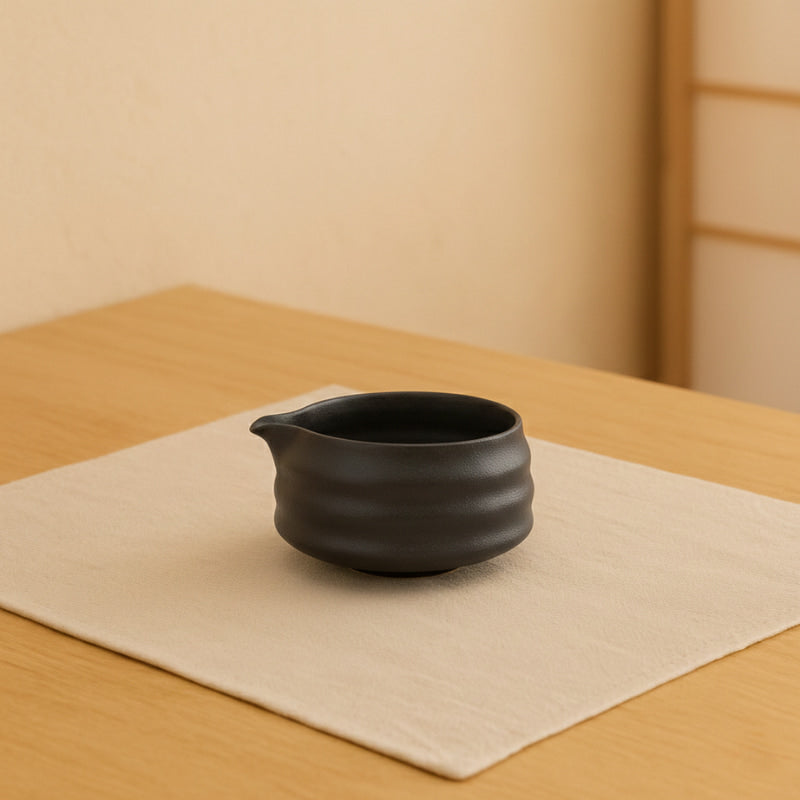
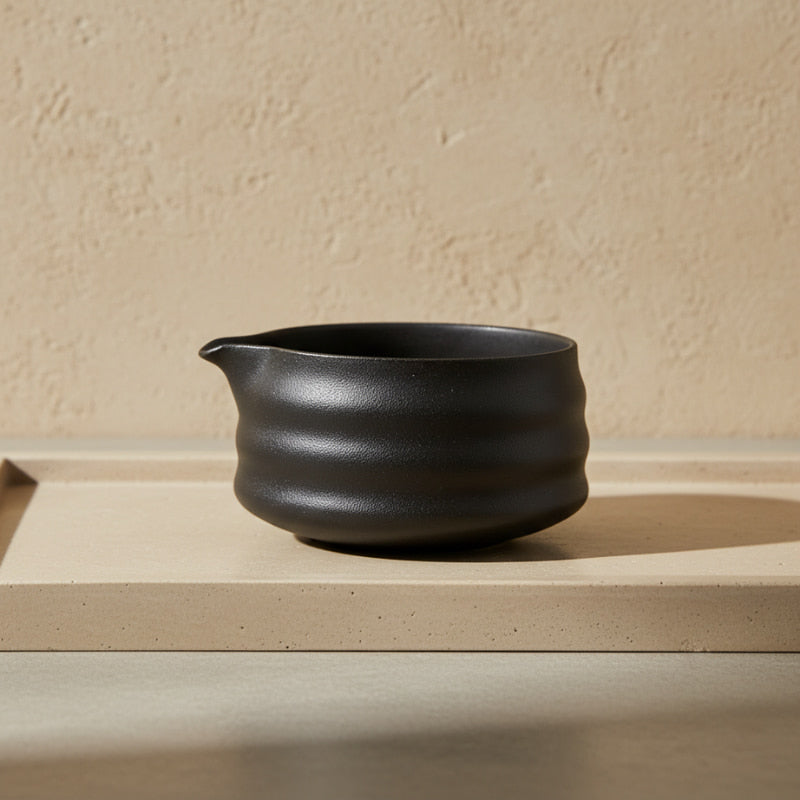
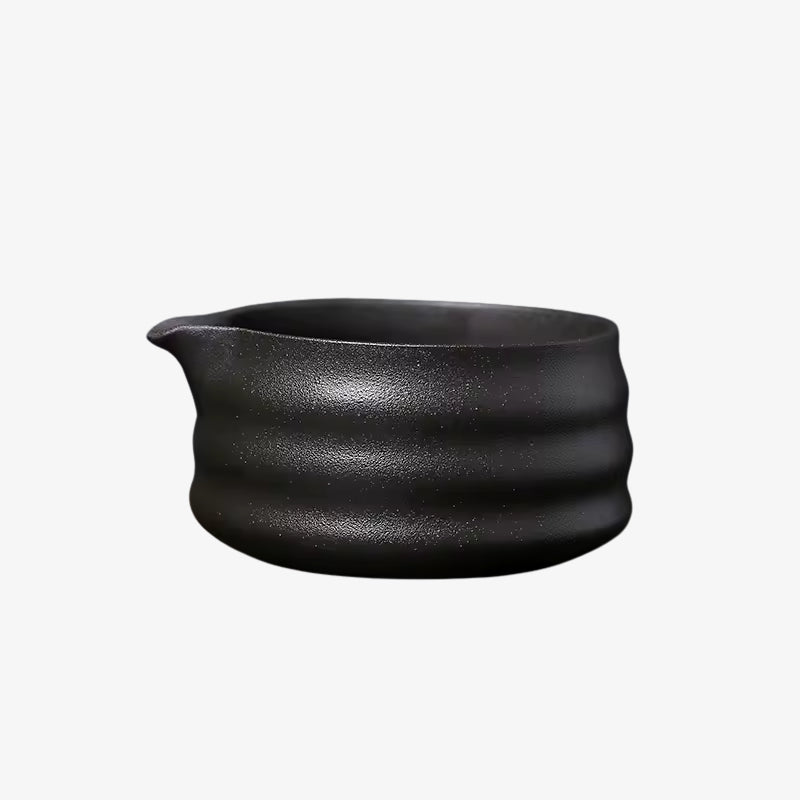
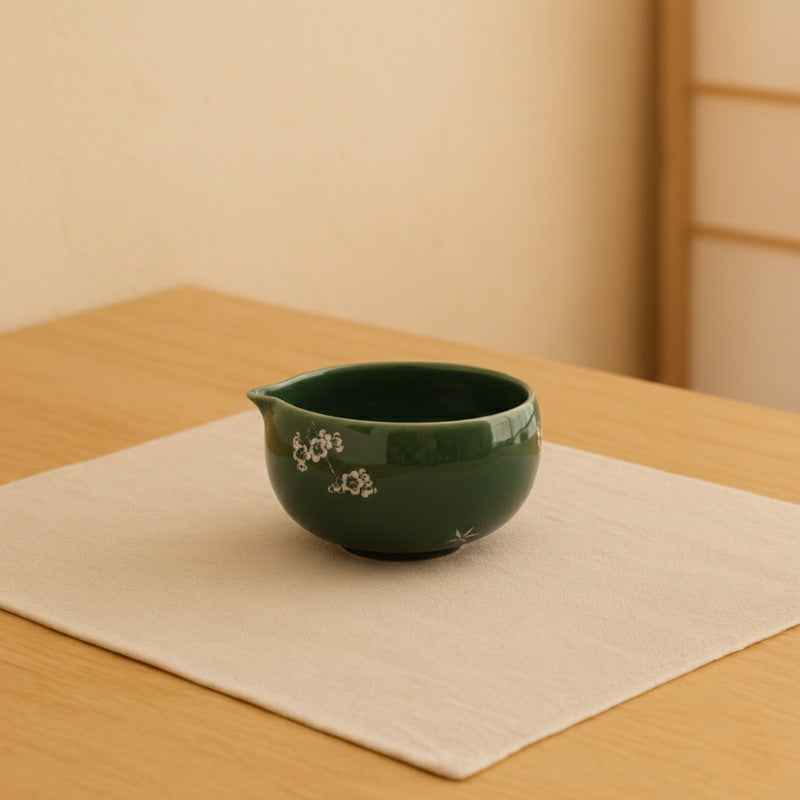
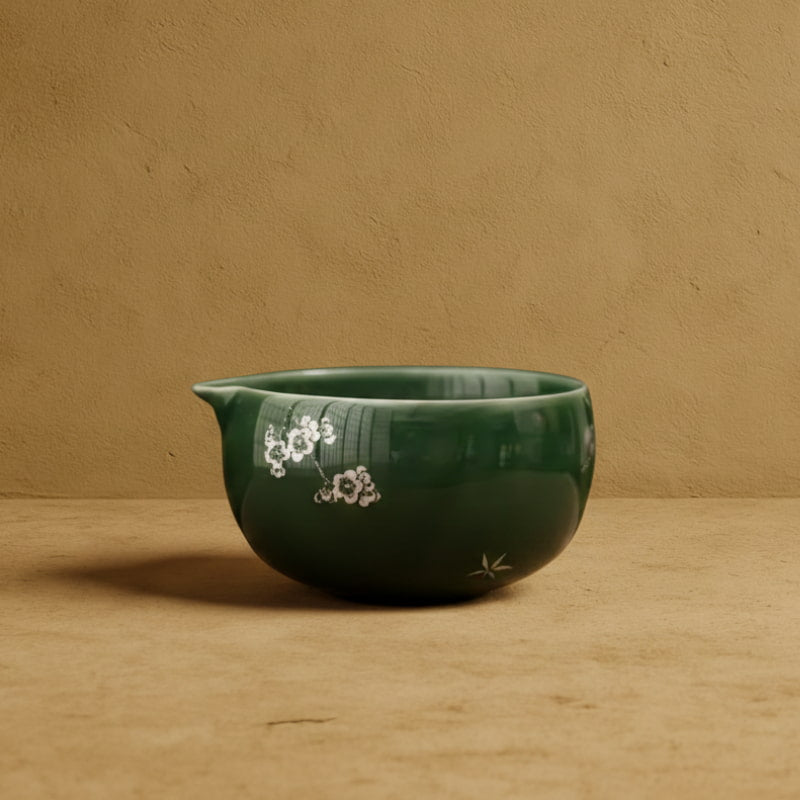
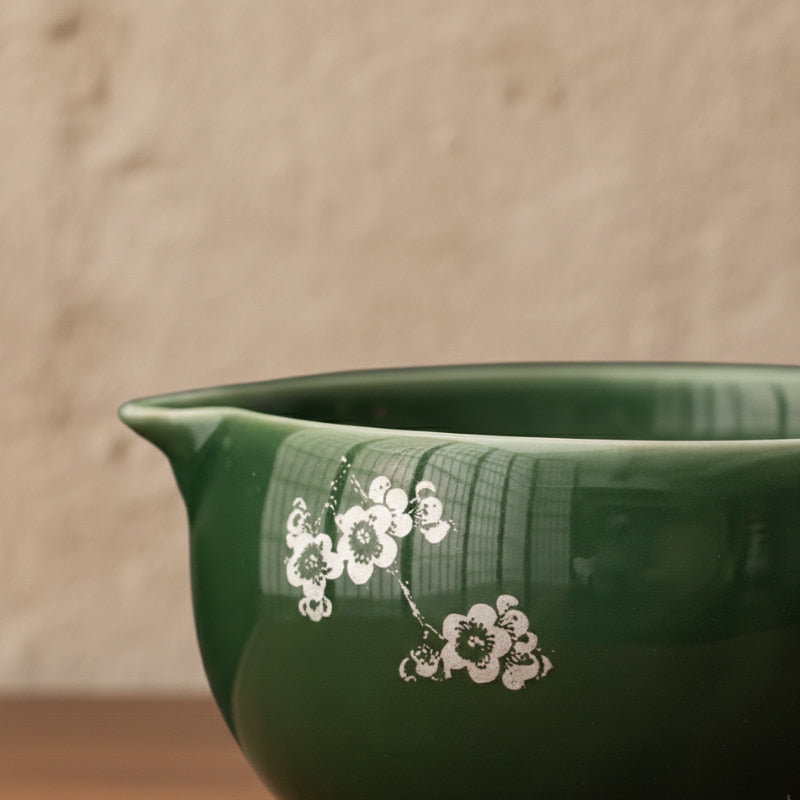
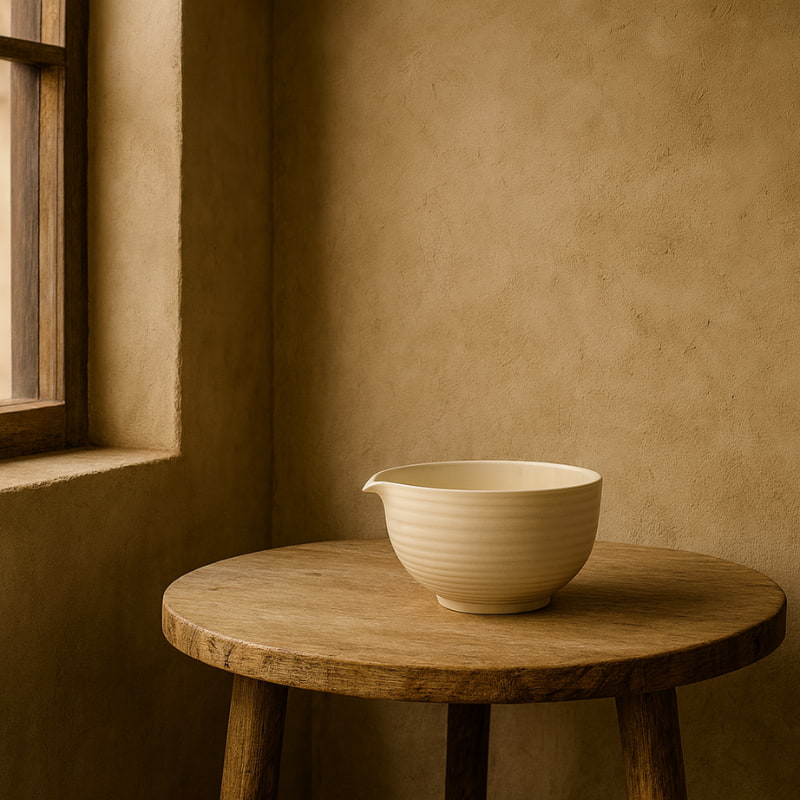
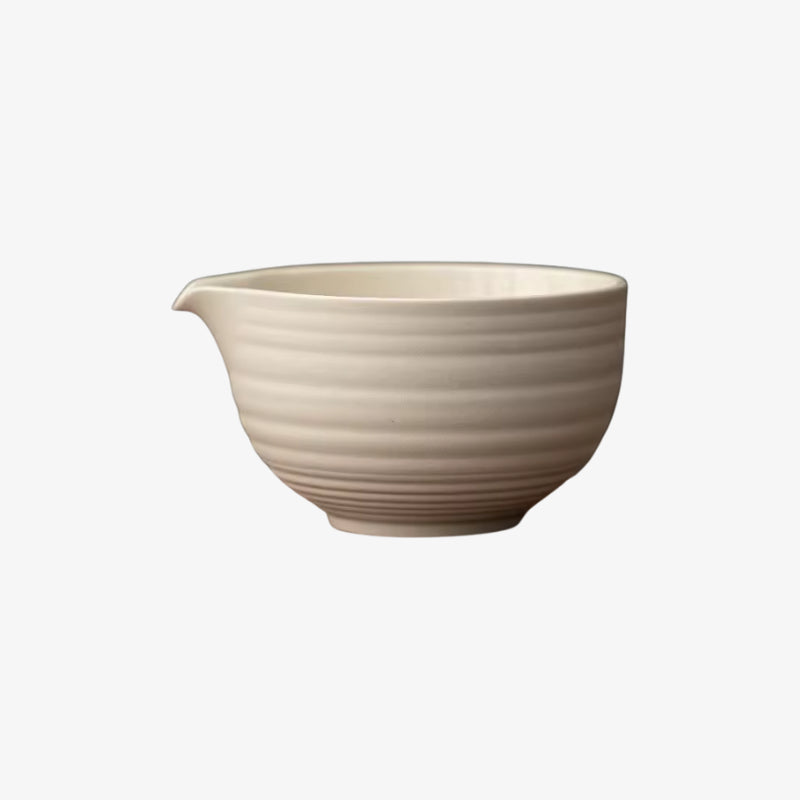
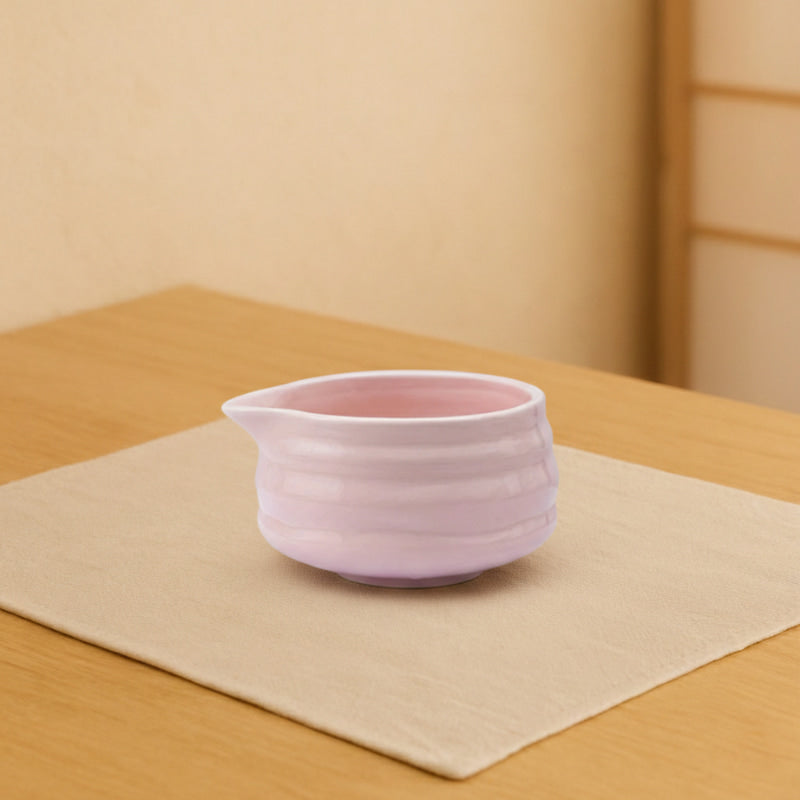
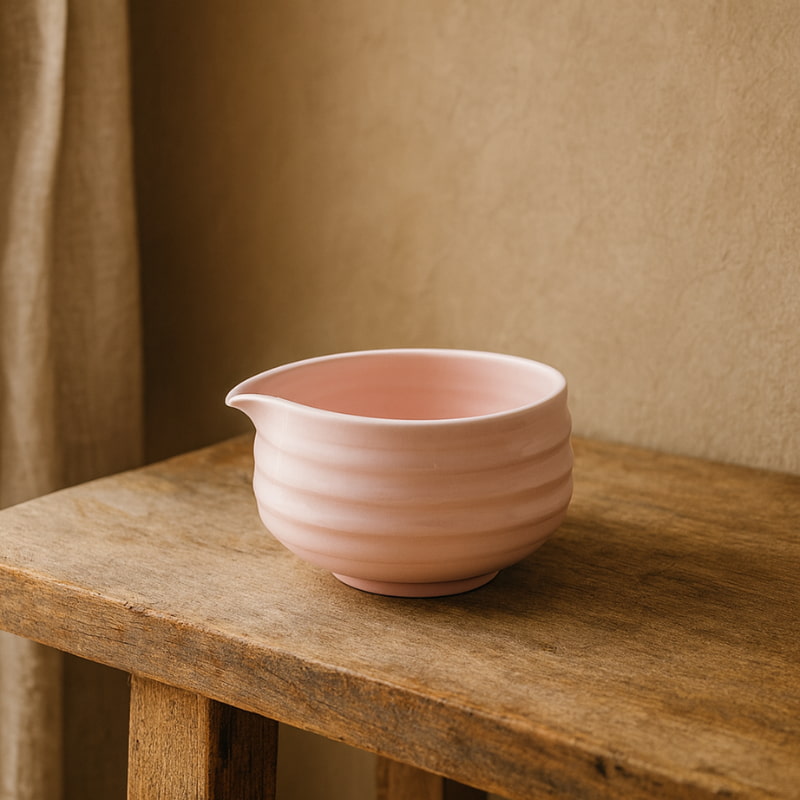
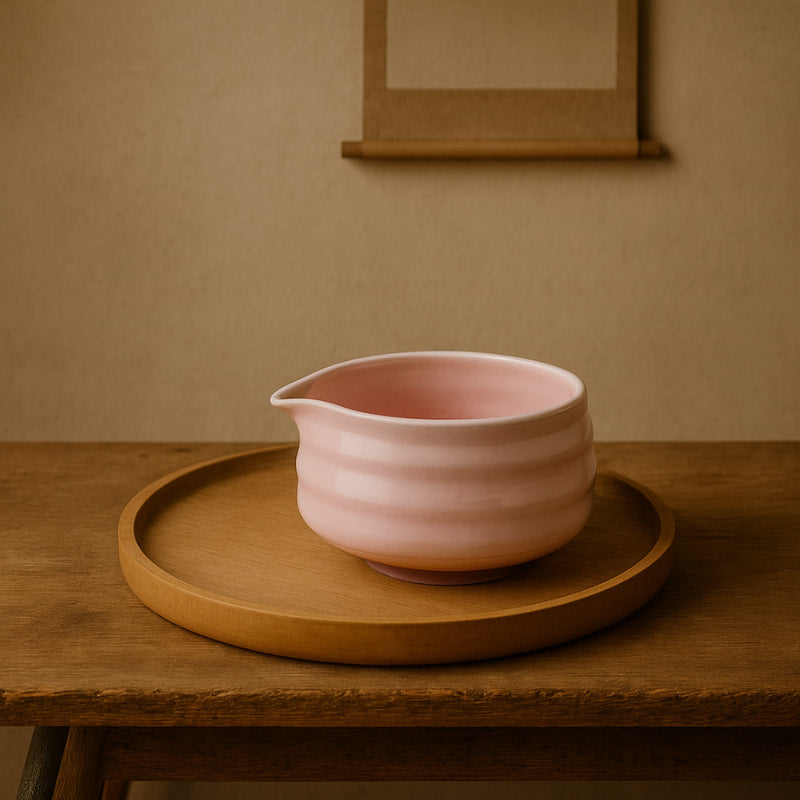
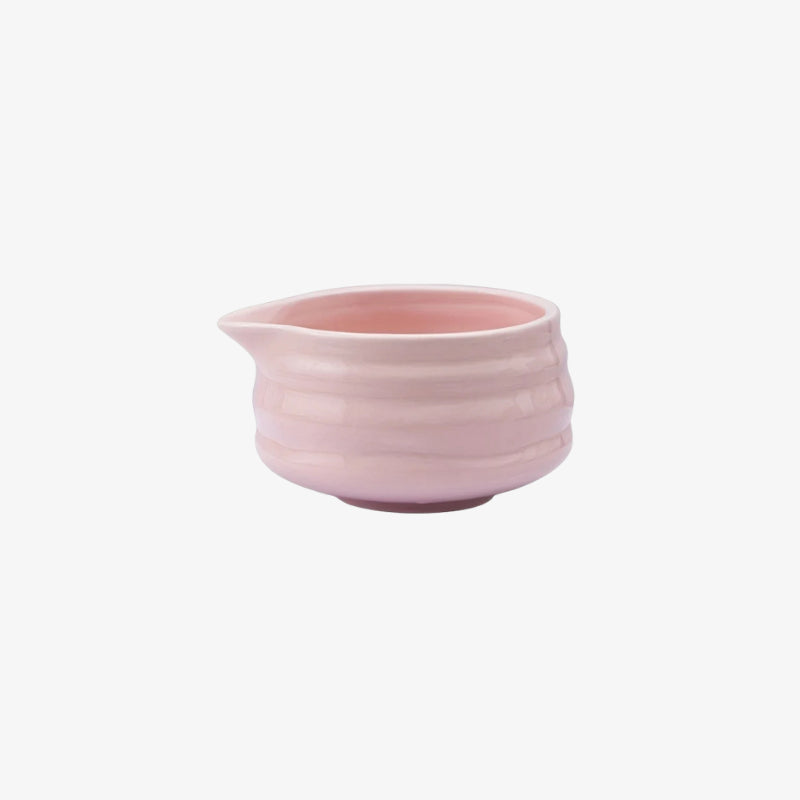
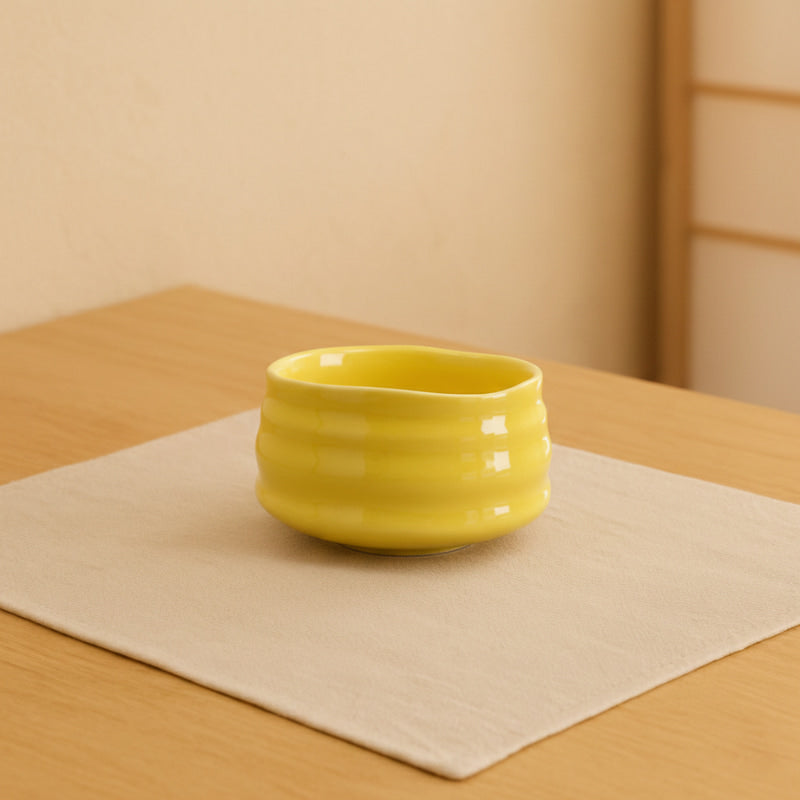
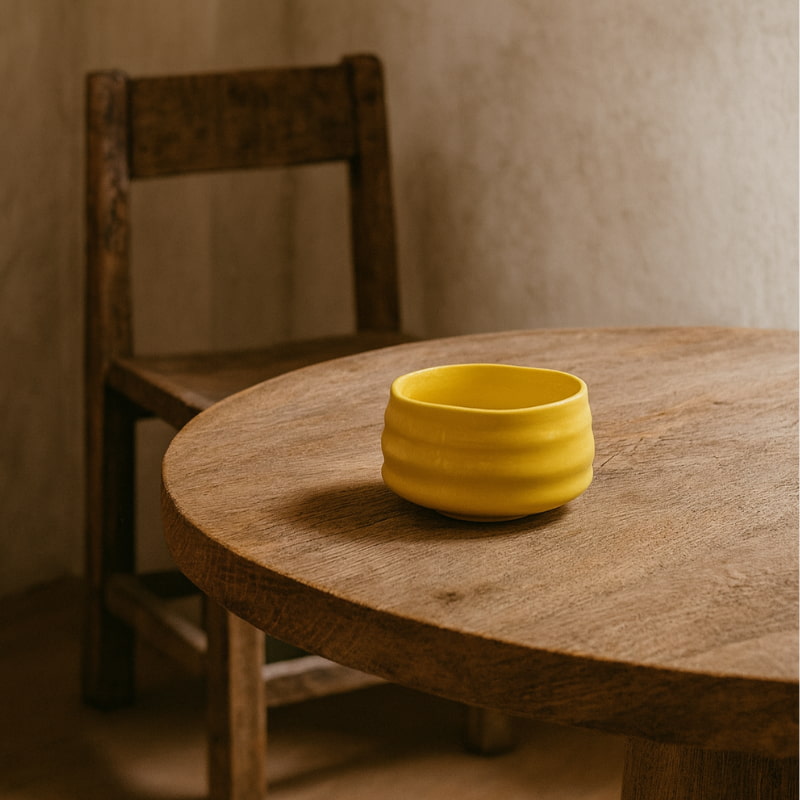
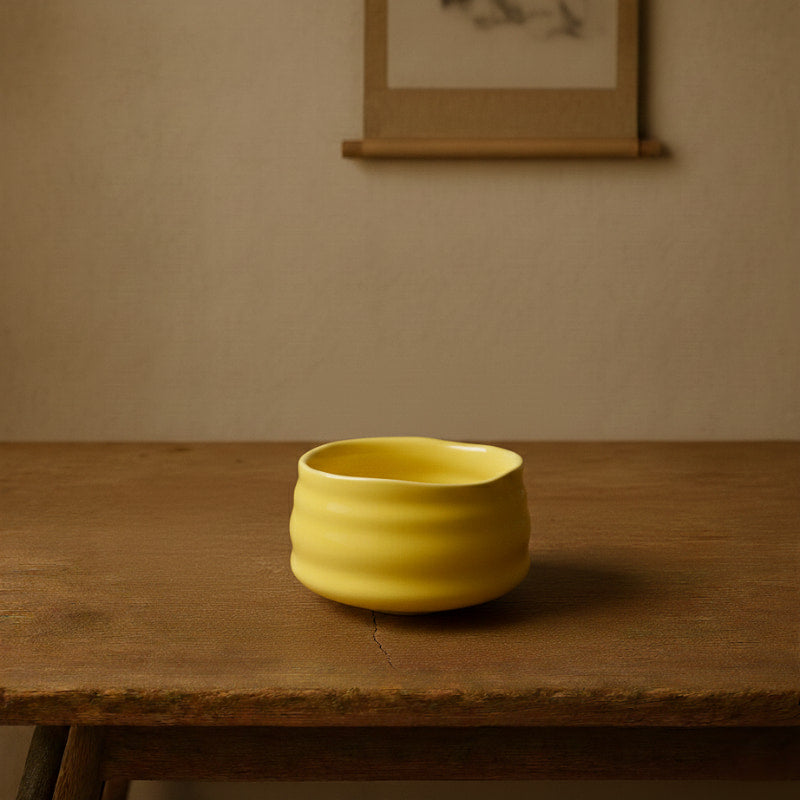
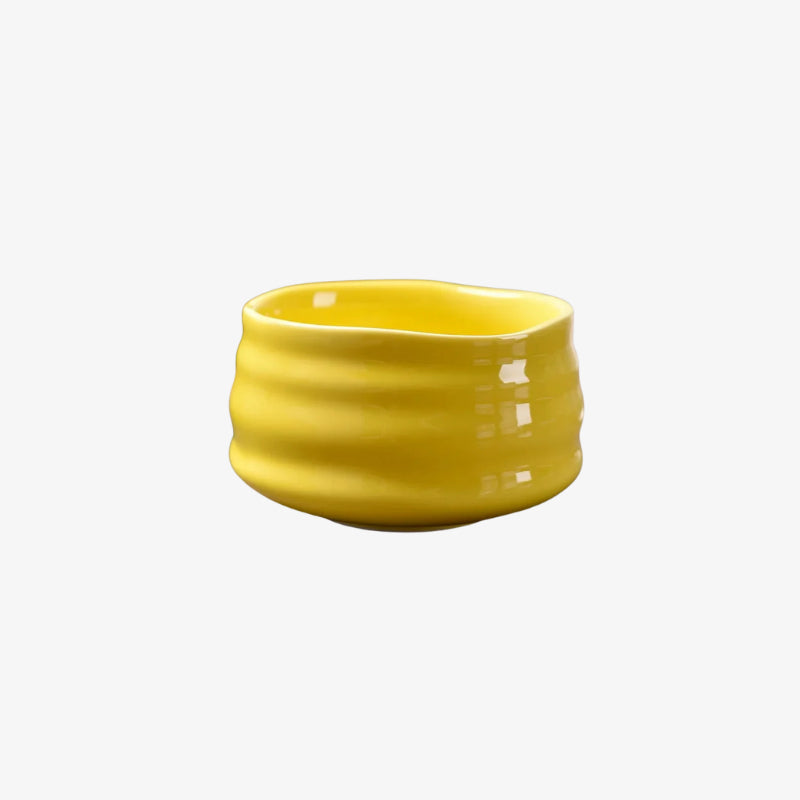
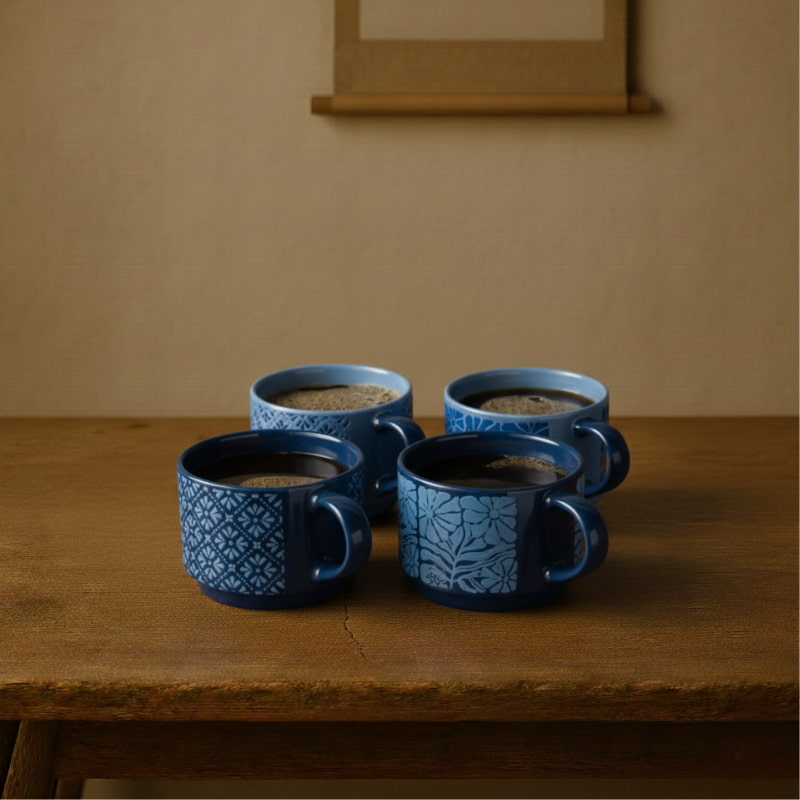
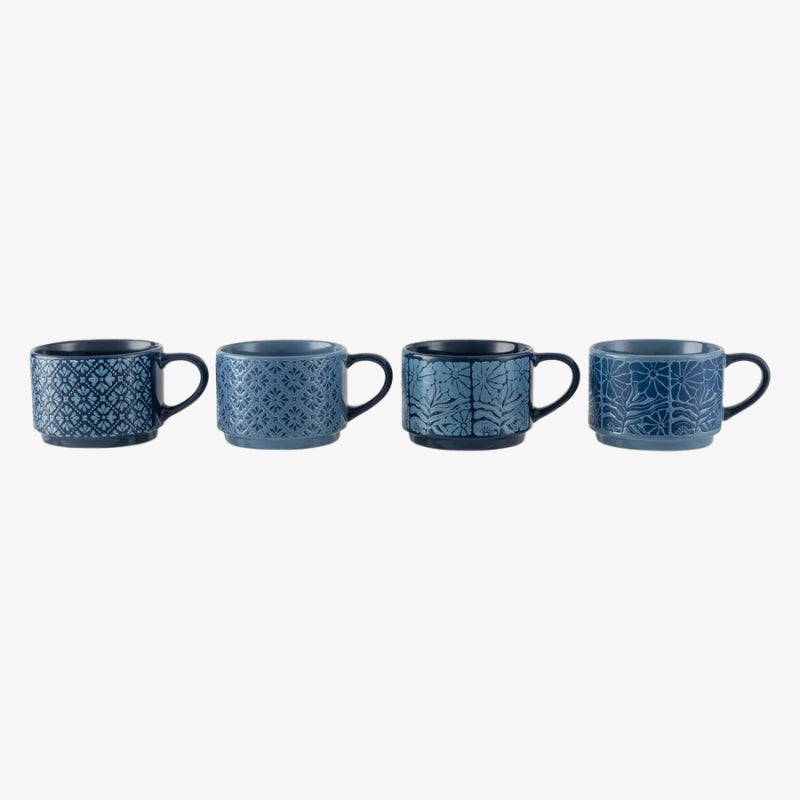
Start with how the kitchen is actually used before choosing shapes or finishes. A household that drinks tea daily benefits from a wide, low chawan style bowl for whisking, paired with a simple cup for sipping. A kitchen used mainly for quick meals may need less ceremony and more everyday storage, such as trays or small organizers that keep counters clear. Choosing fewer, better pieces matters more than filling every shelf.
Materials that suit a wabi sabi kitchen
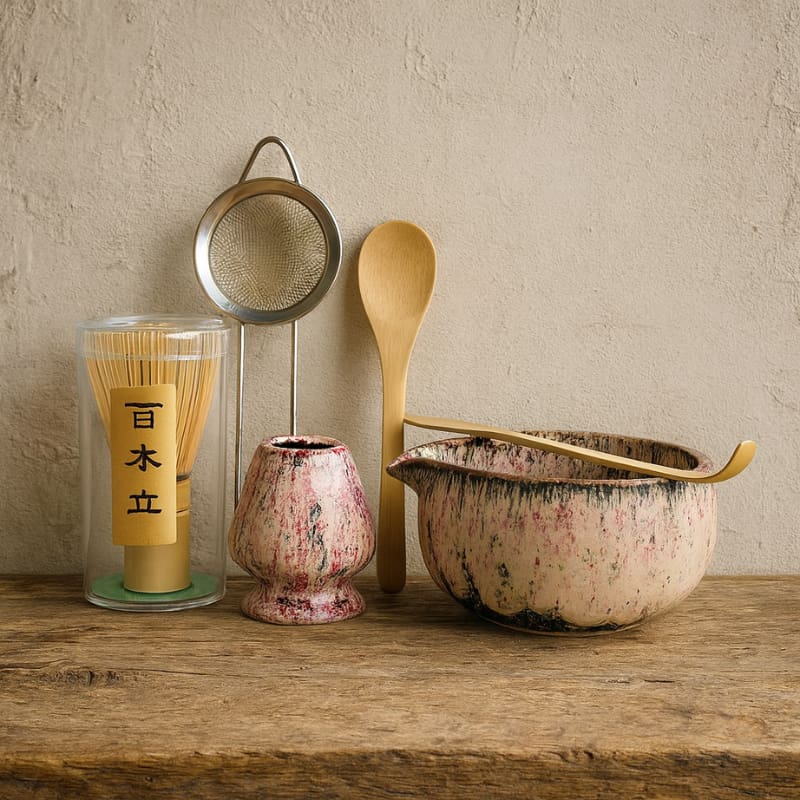
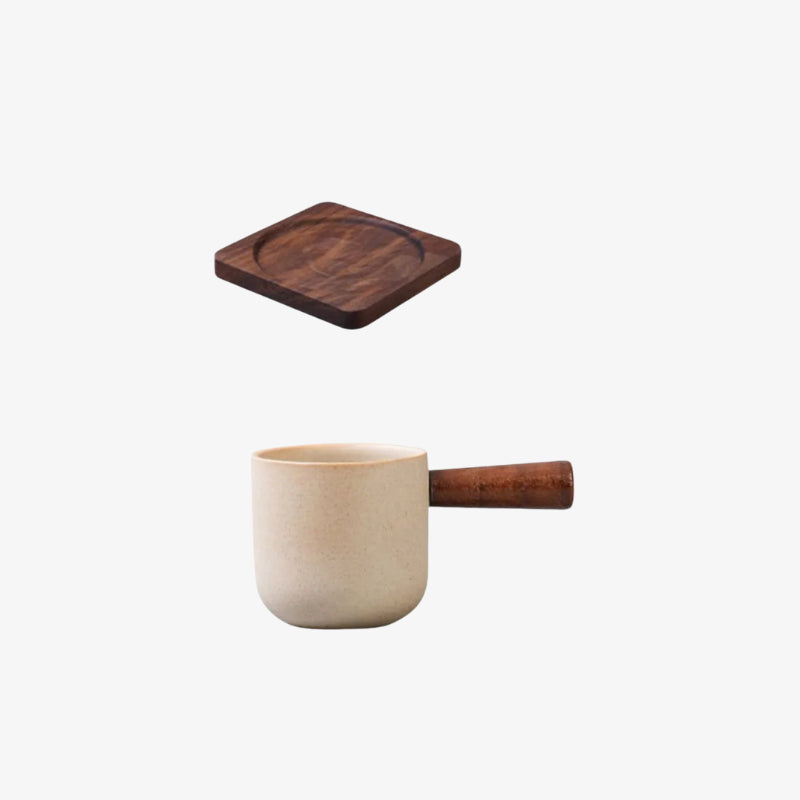
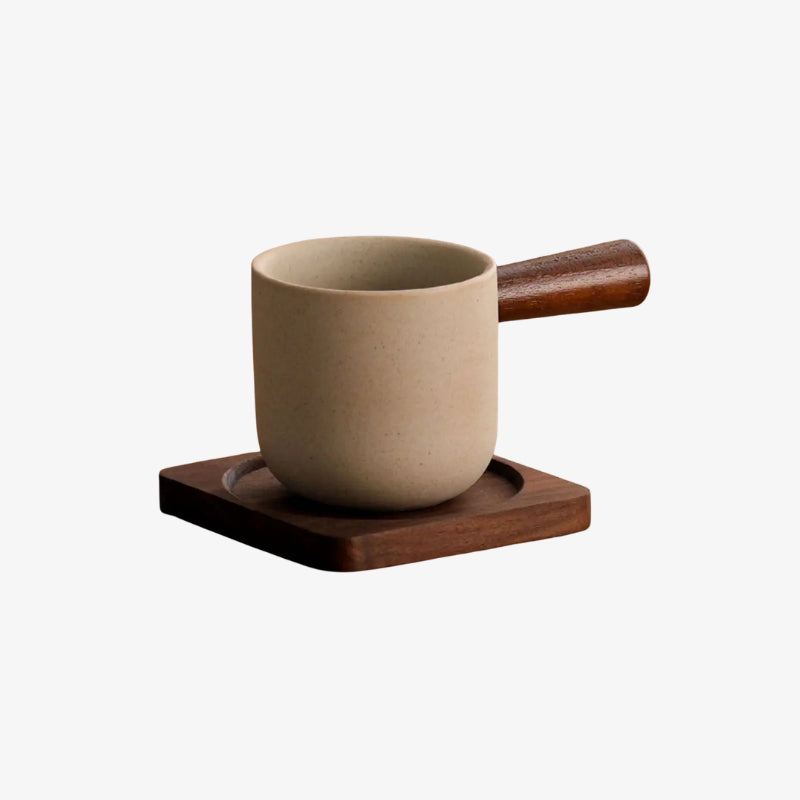
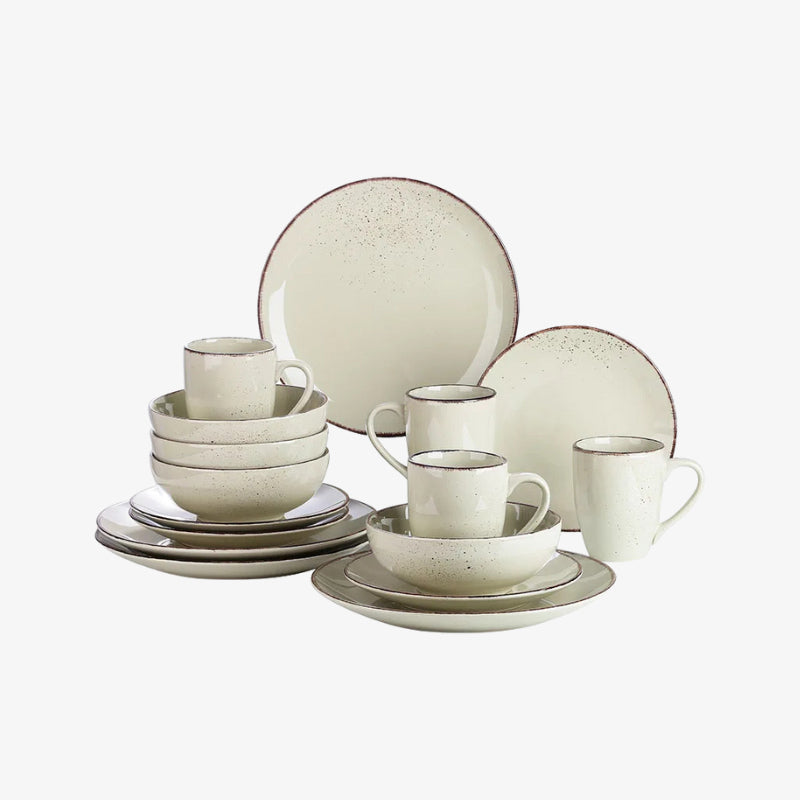
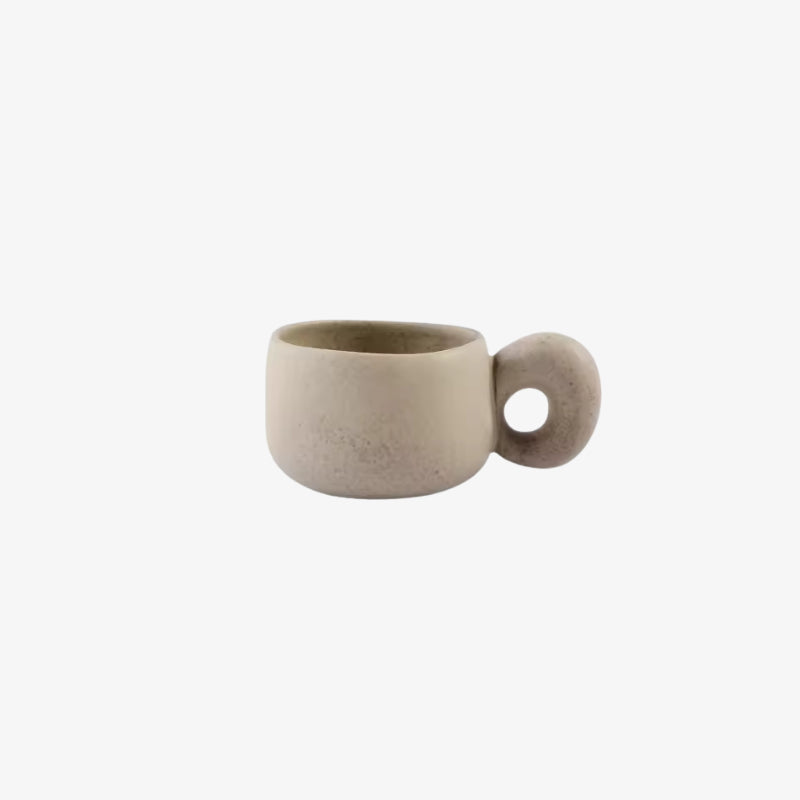
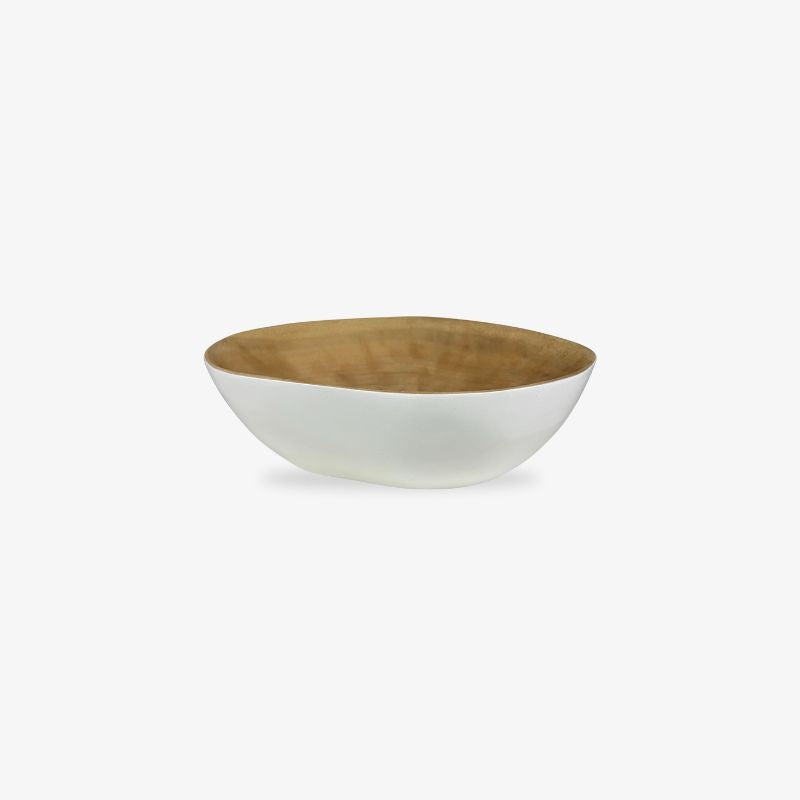
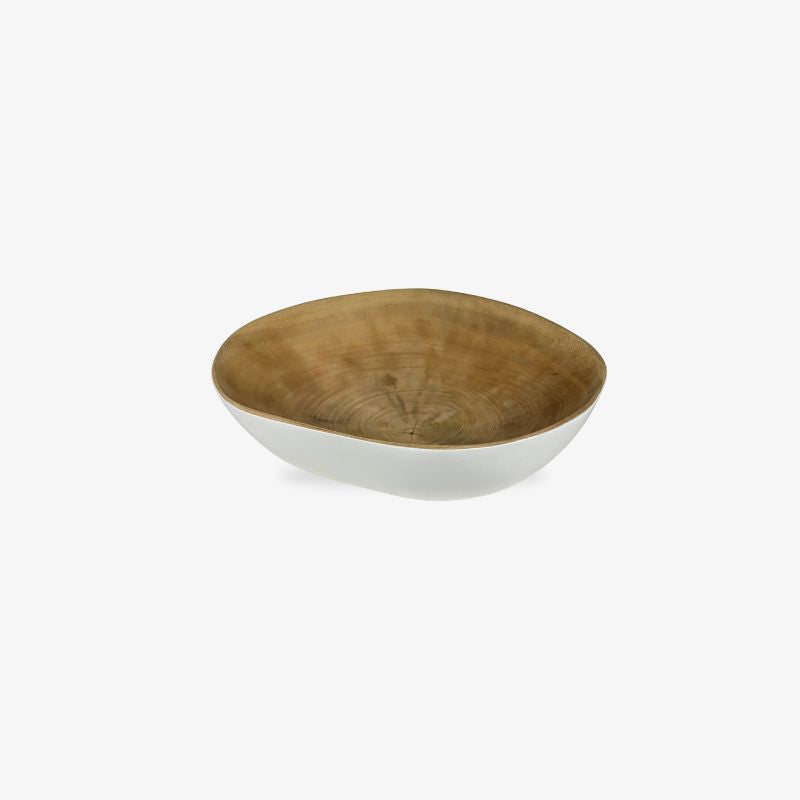
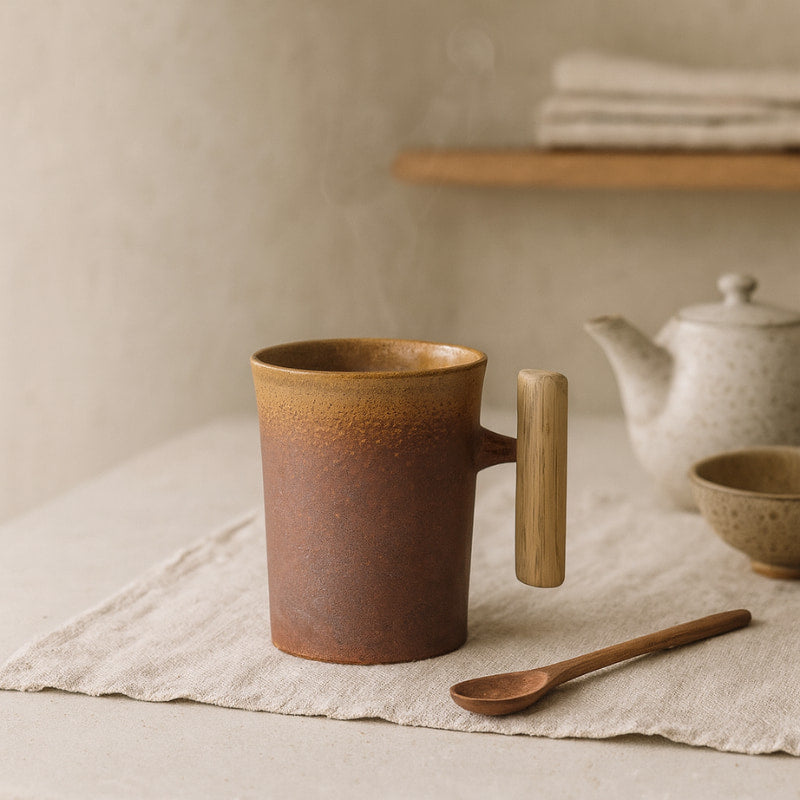
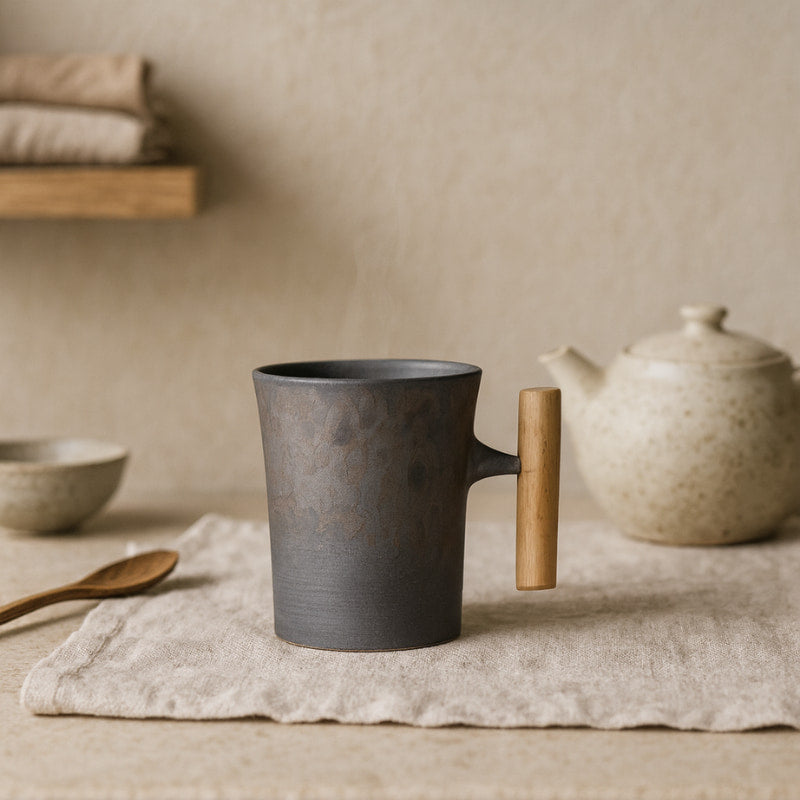
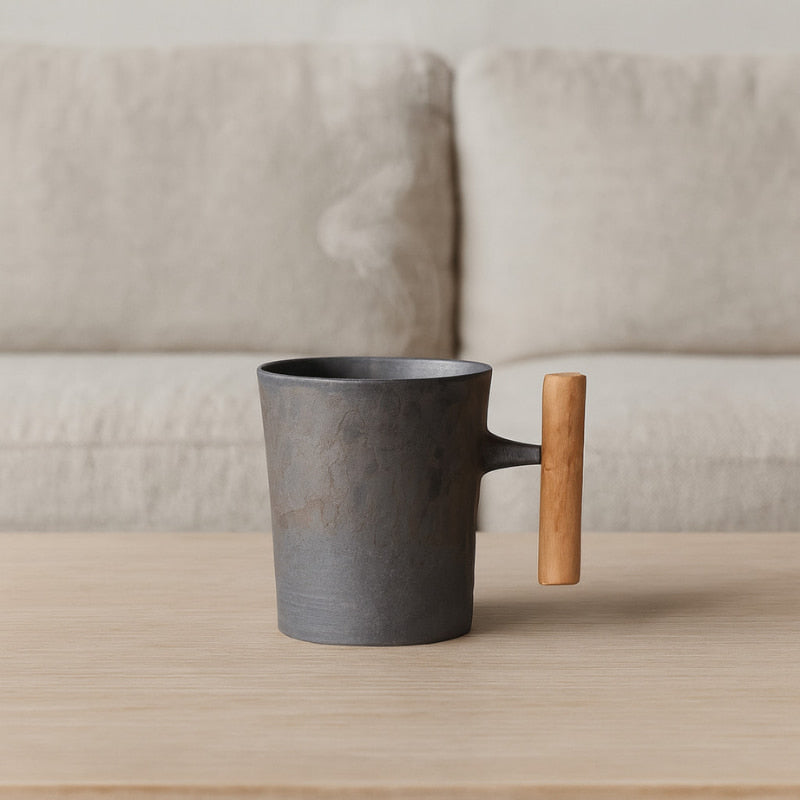
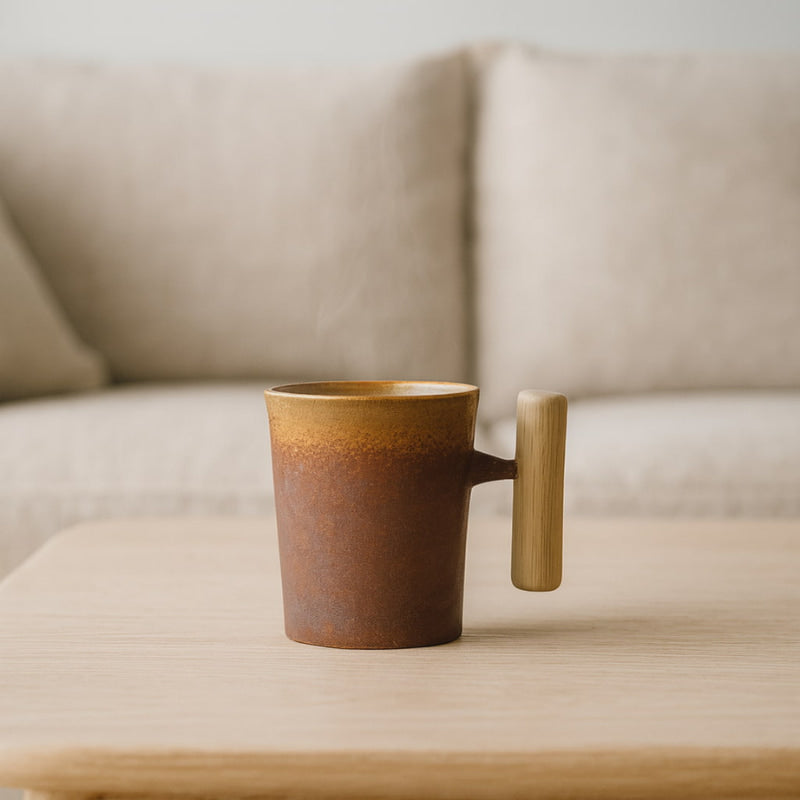
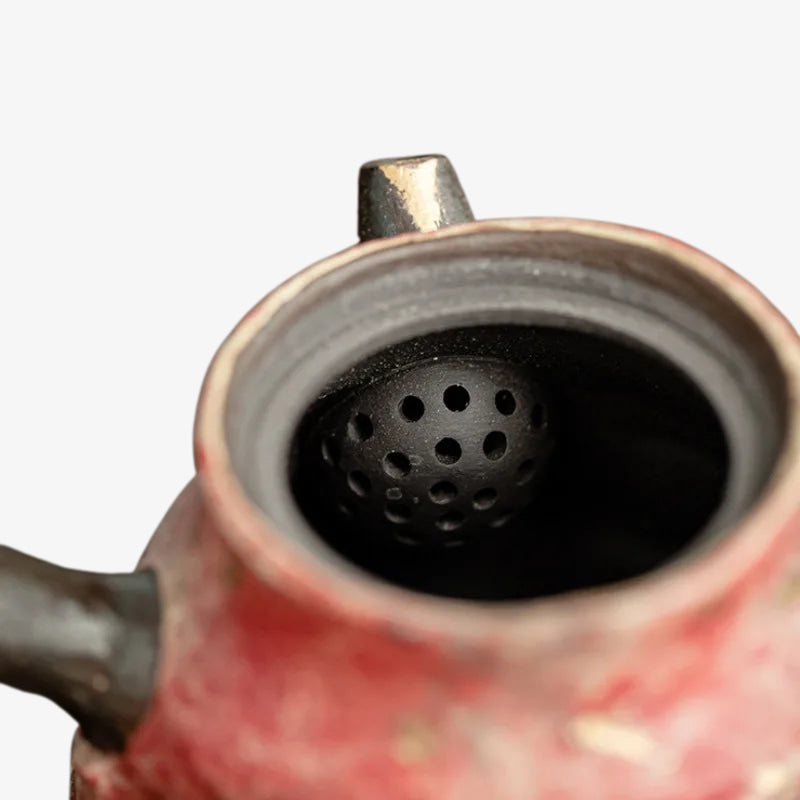
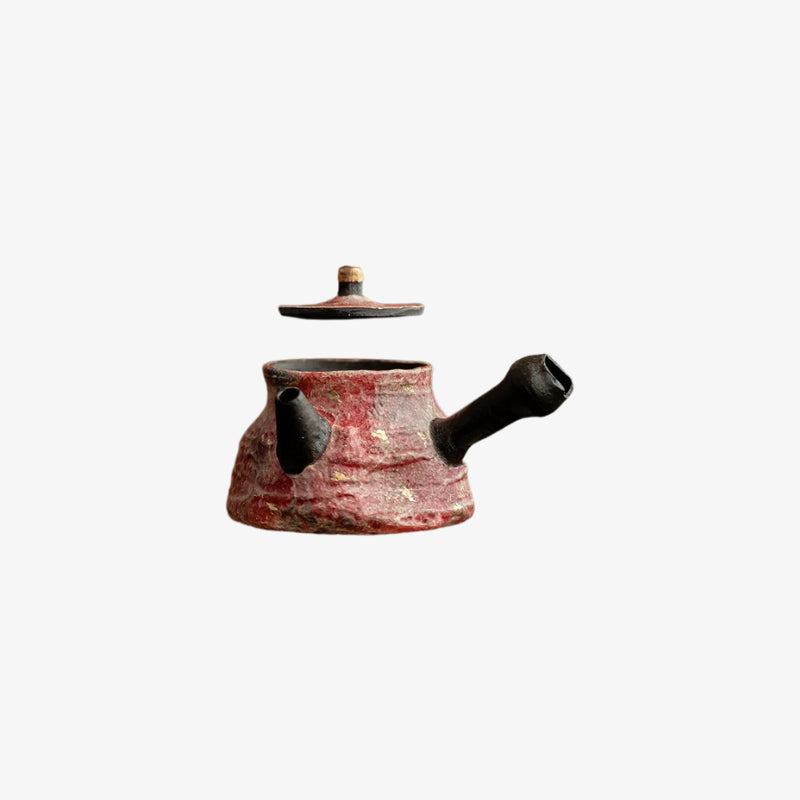
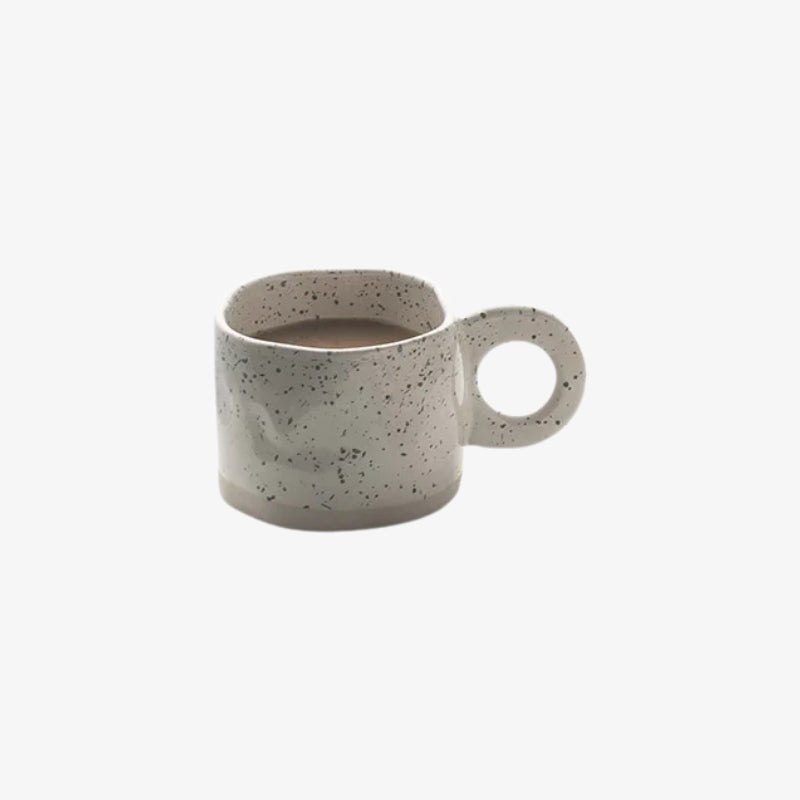
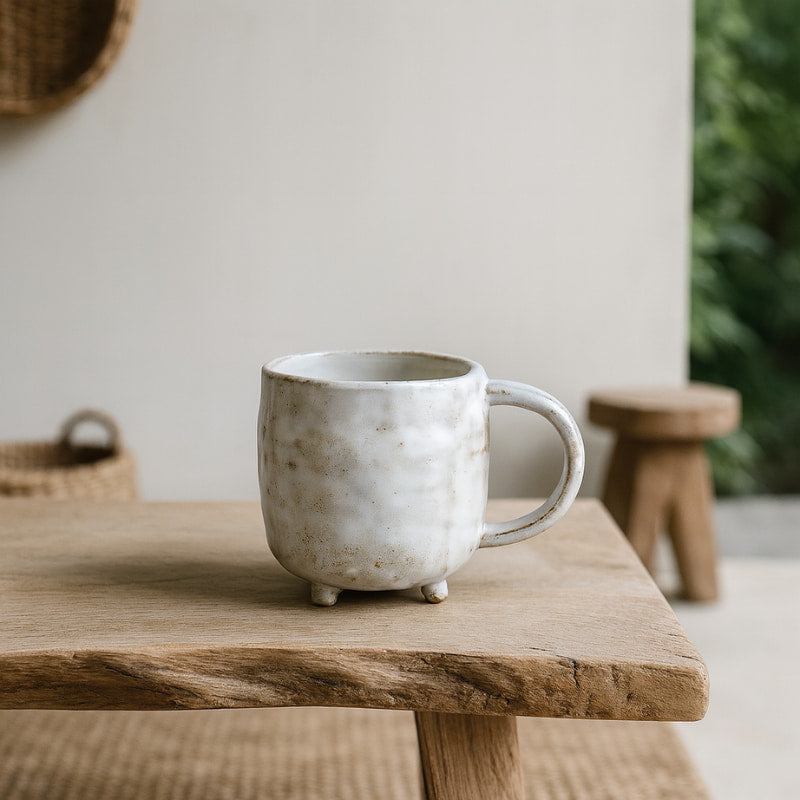
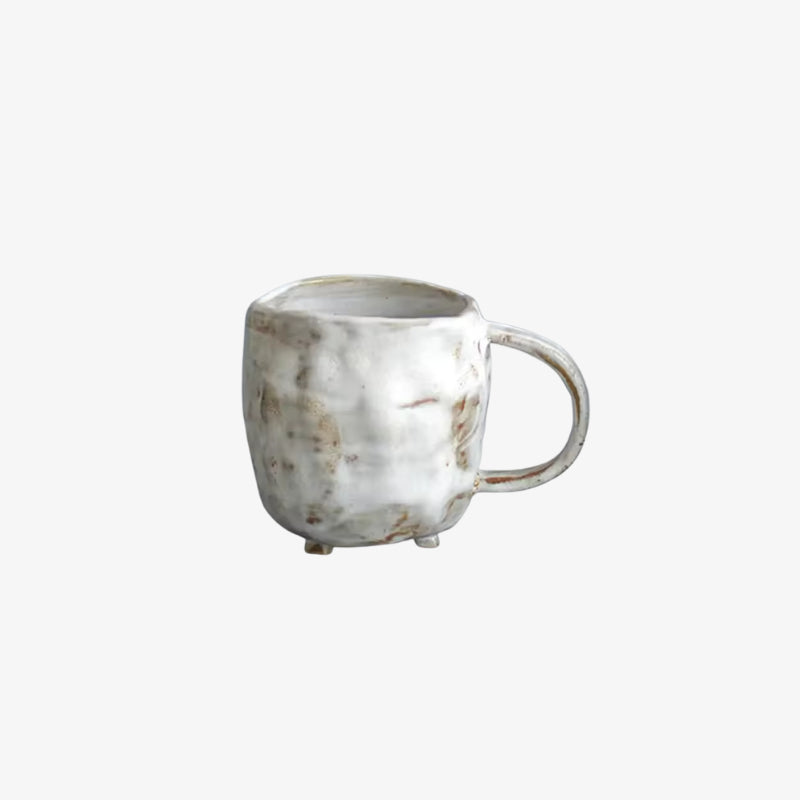
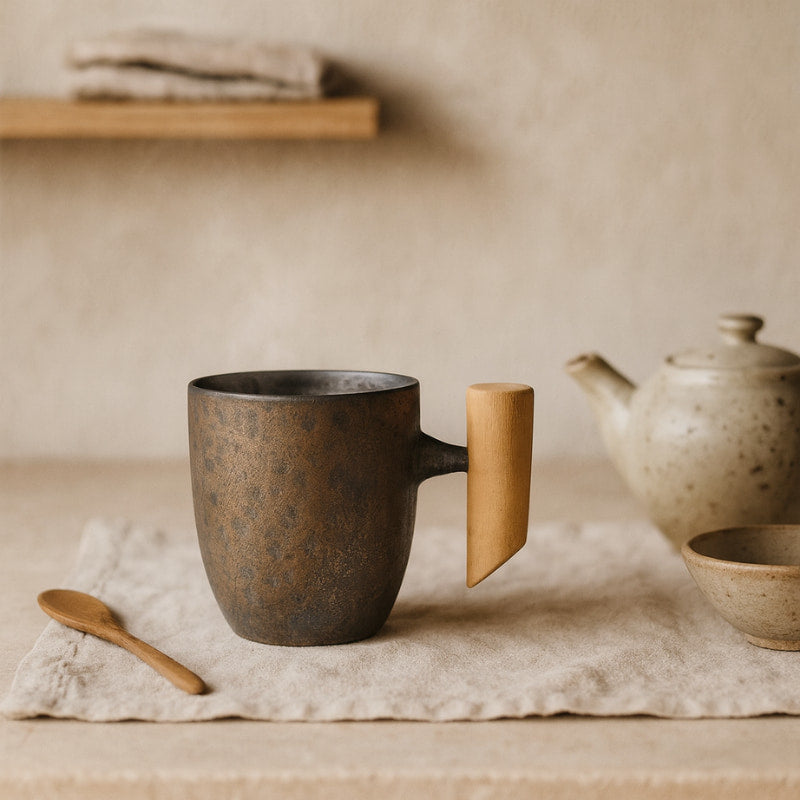
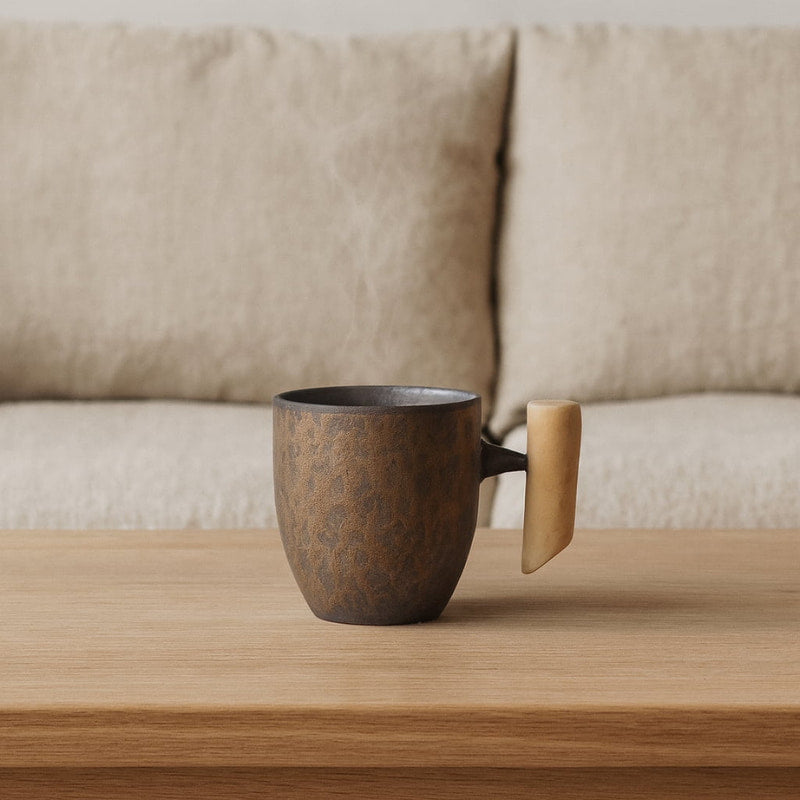
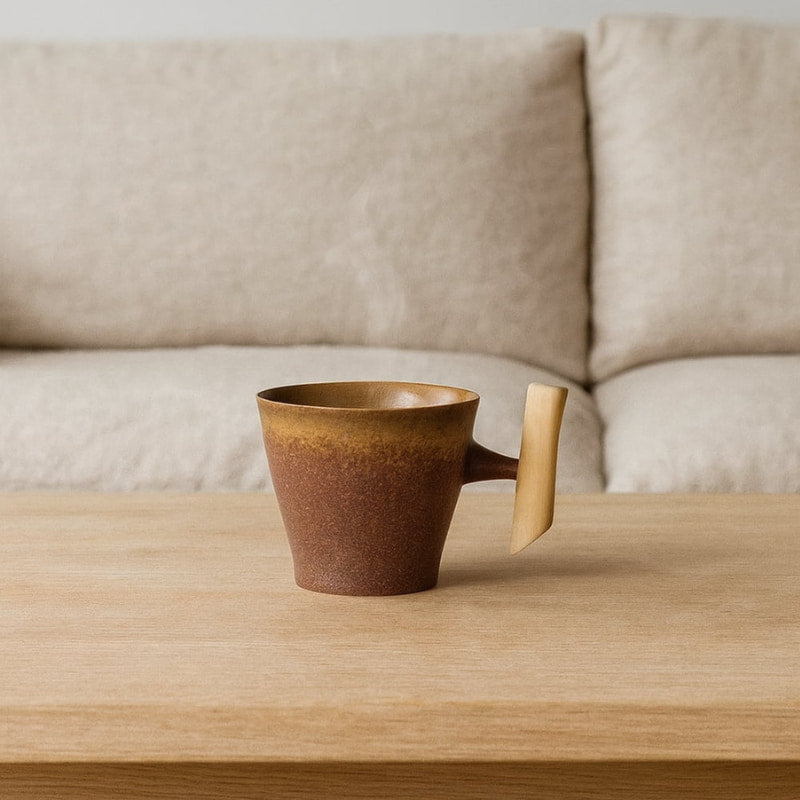
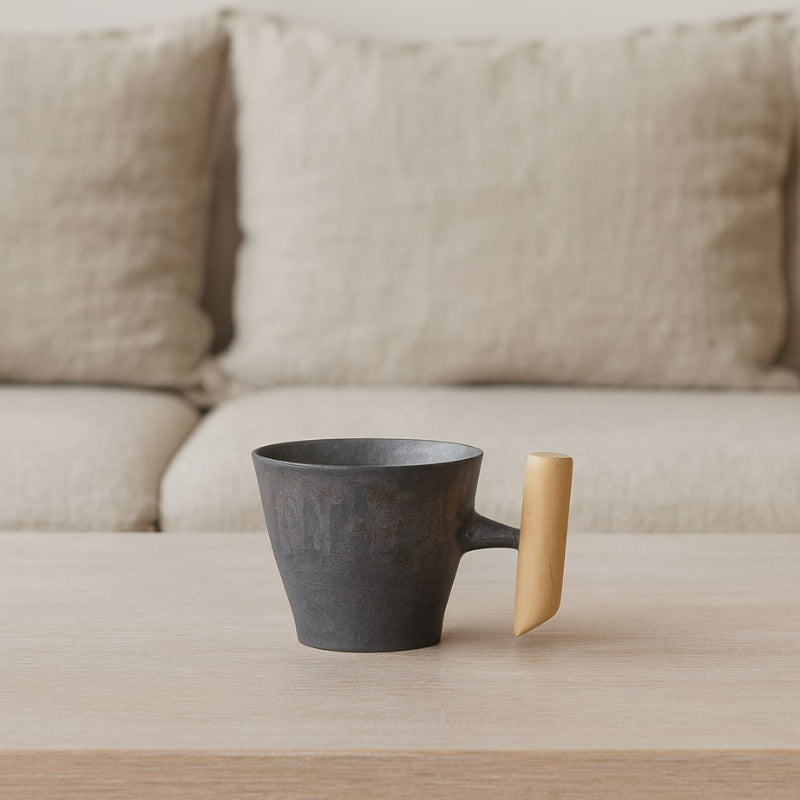
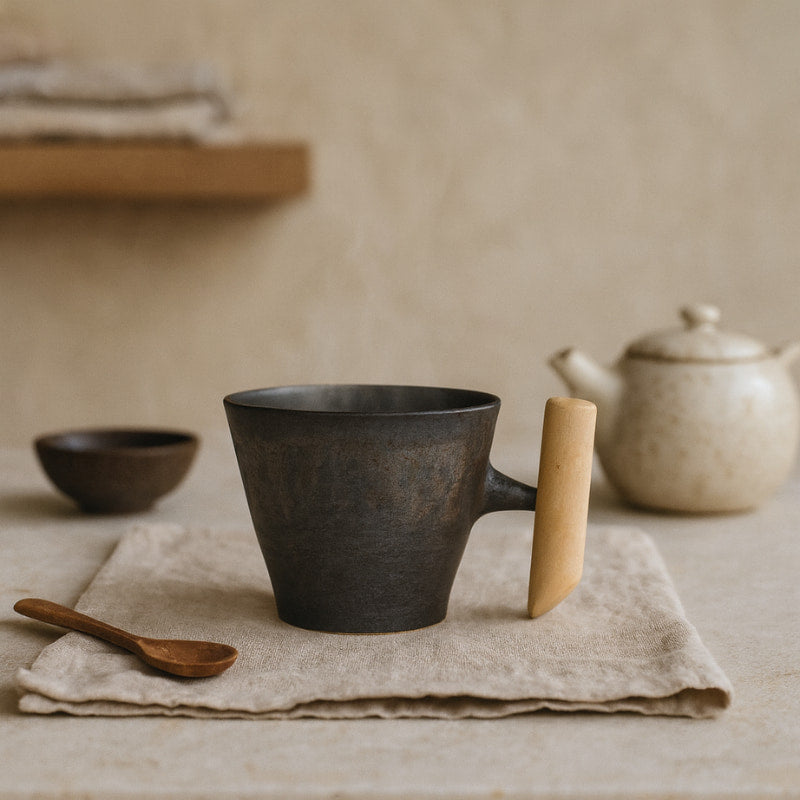
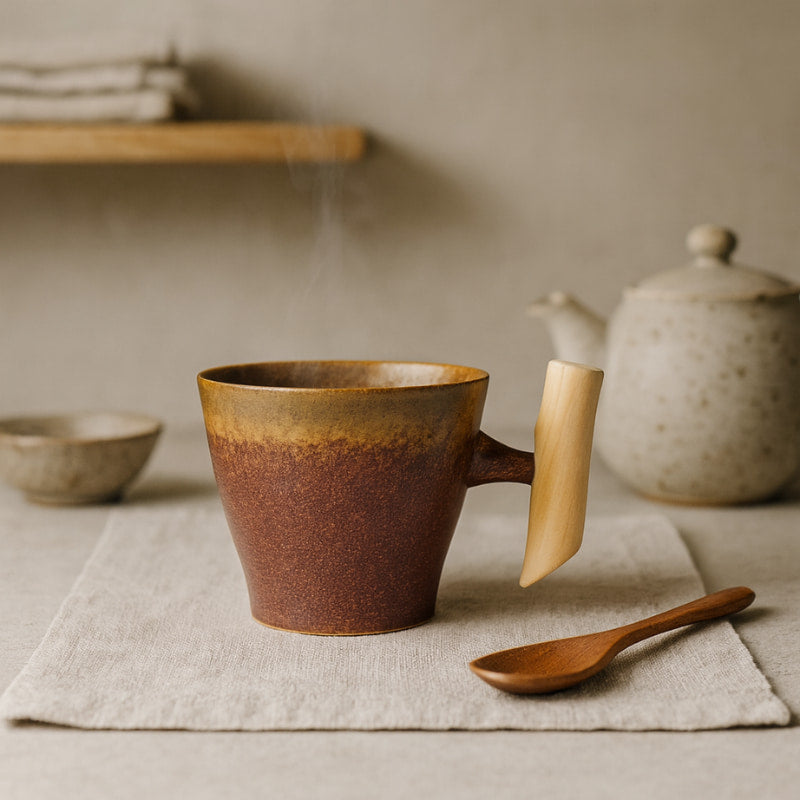
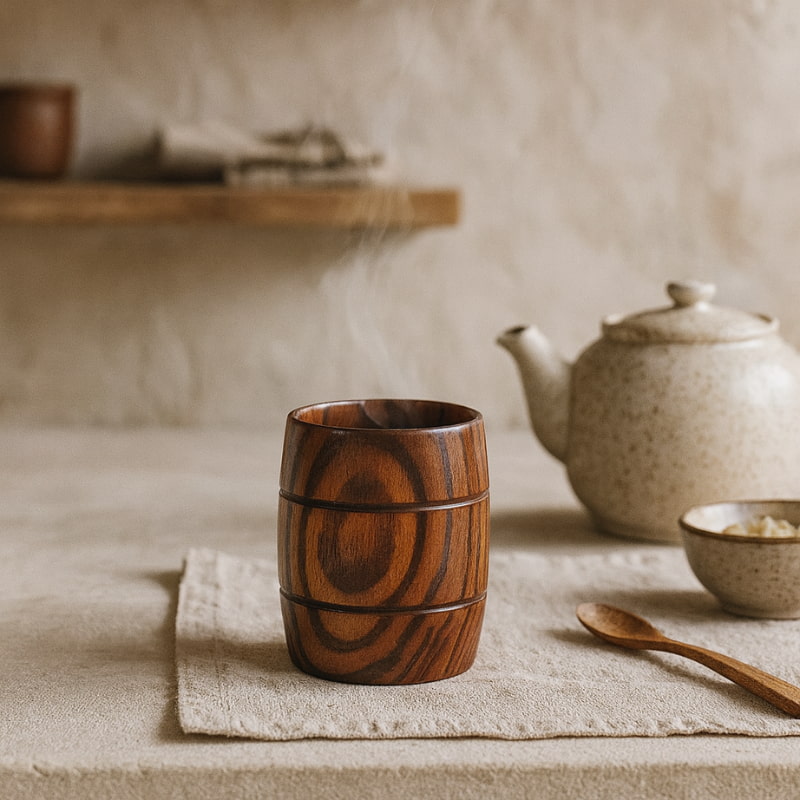
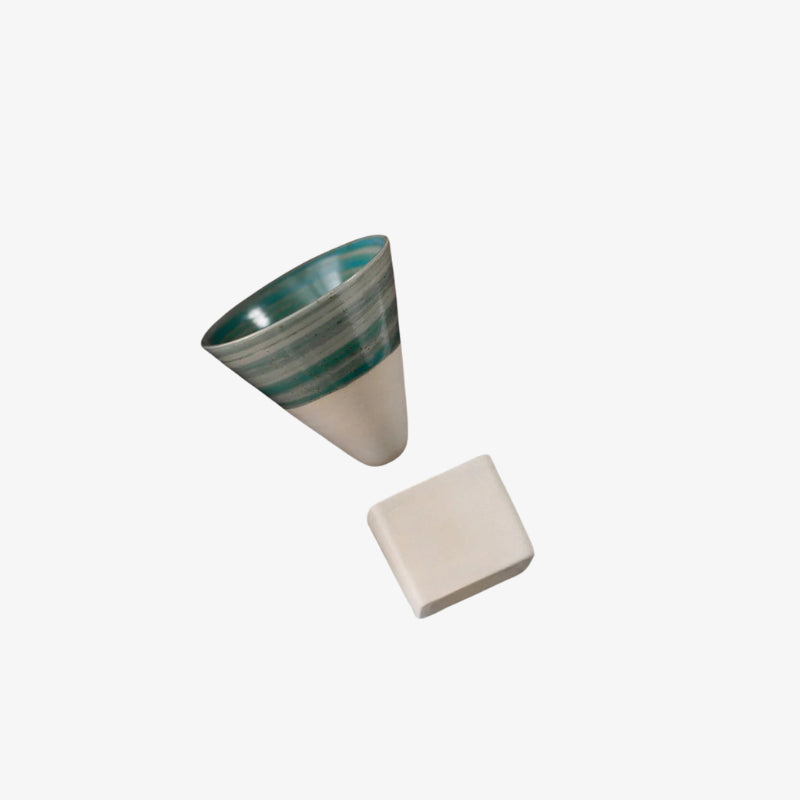
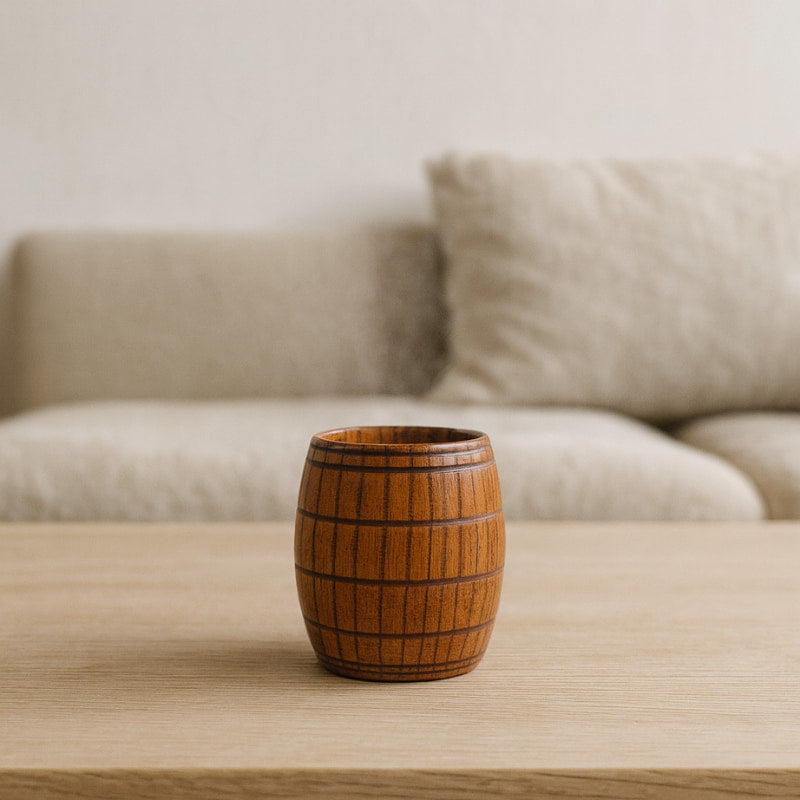
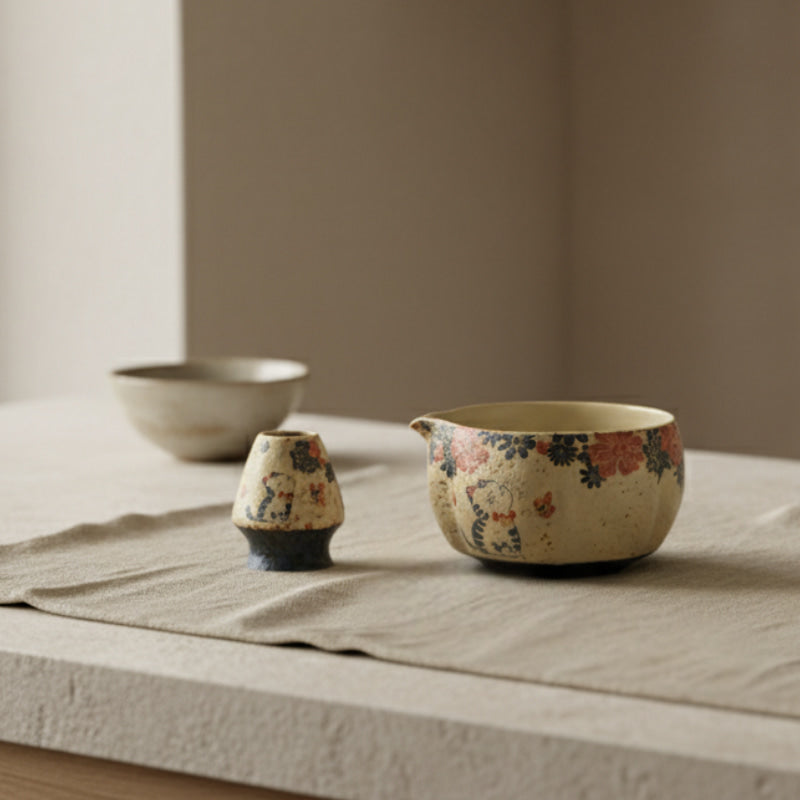
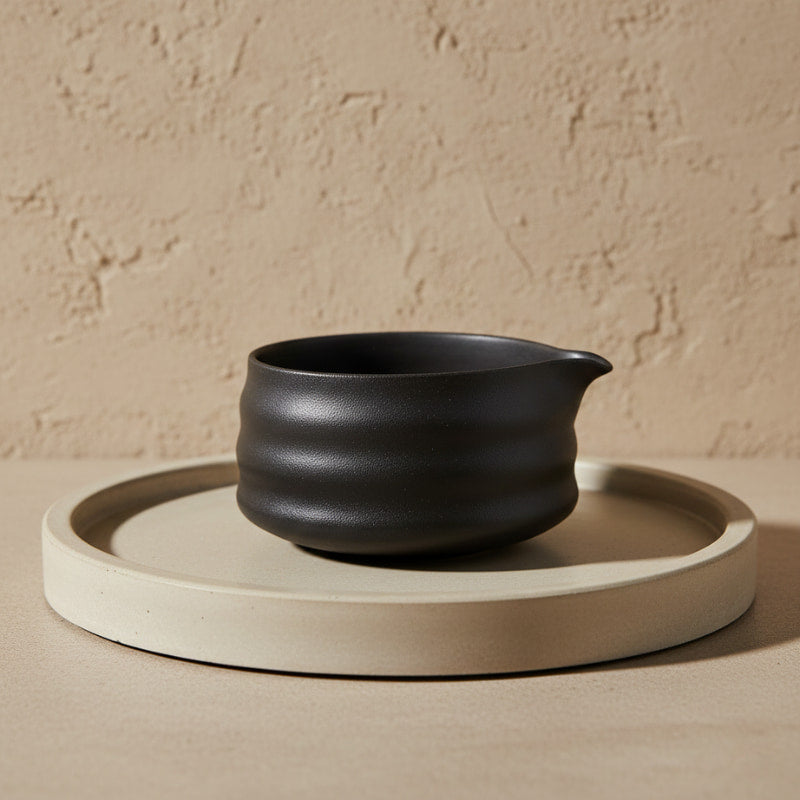
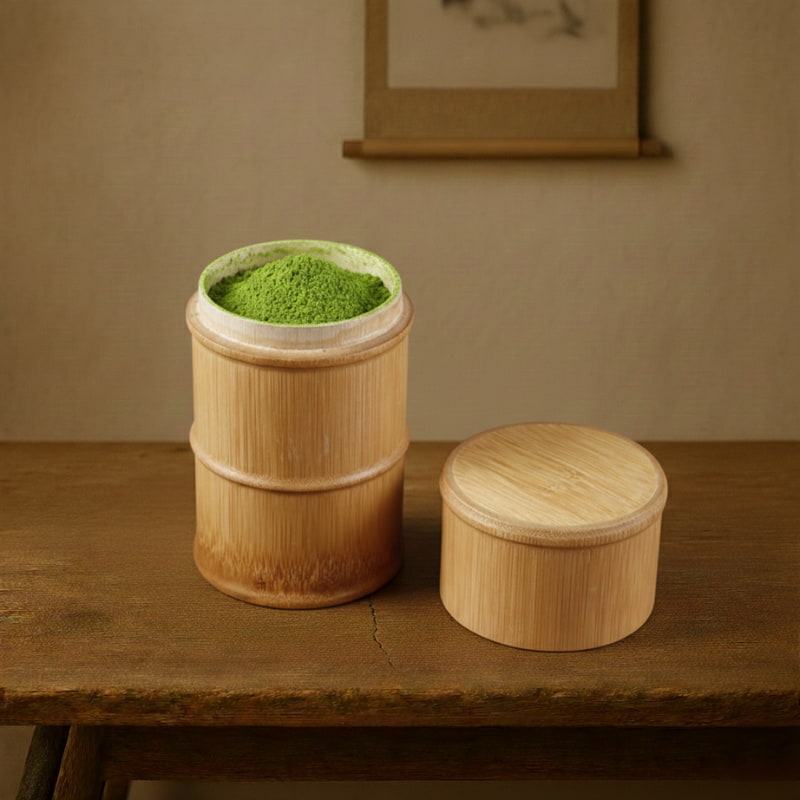
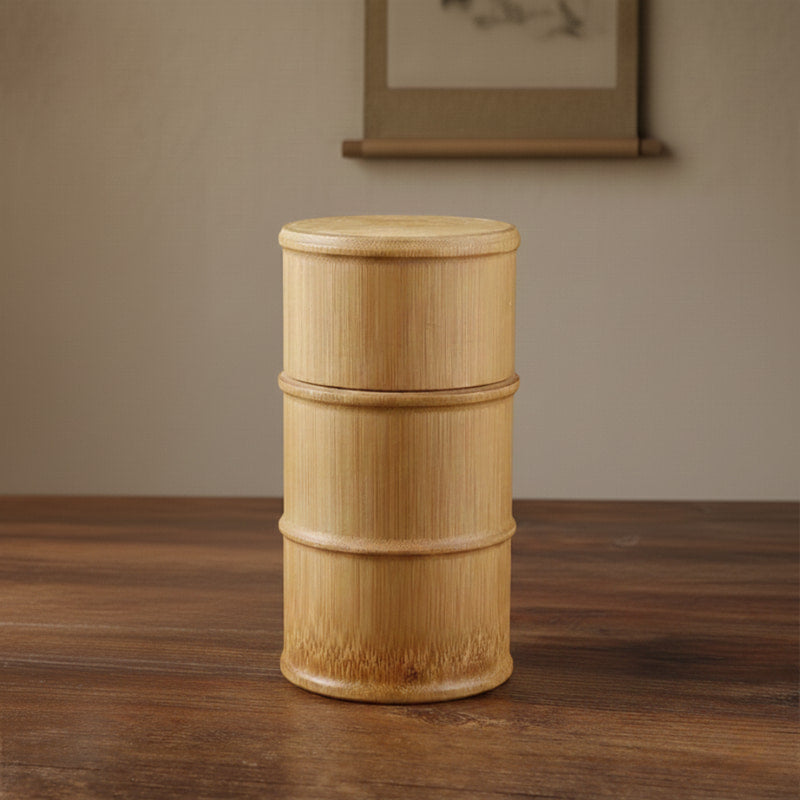
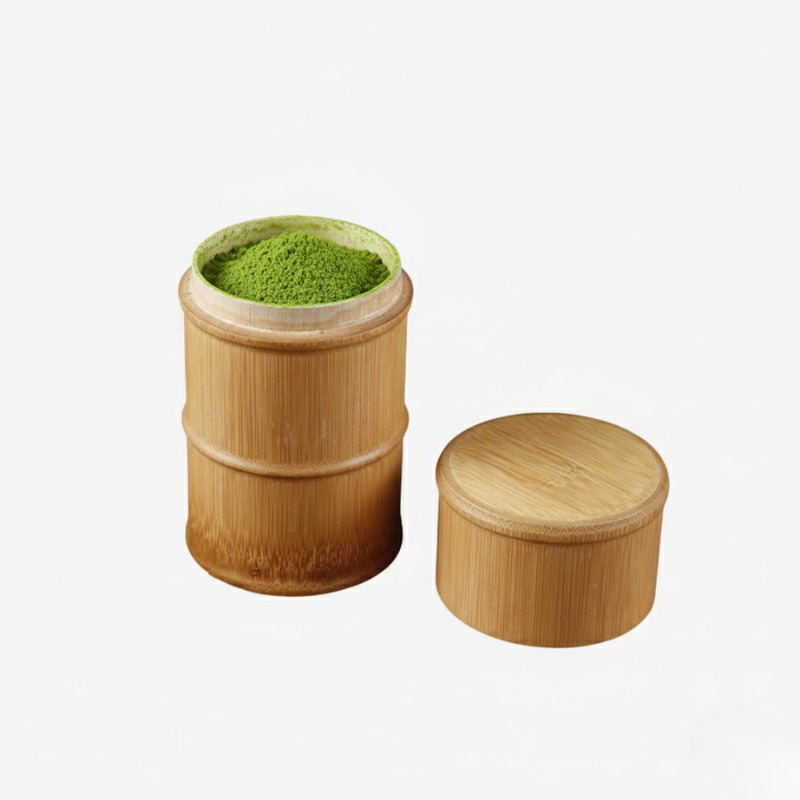
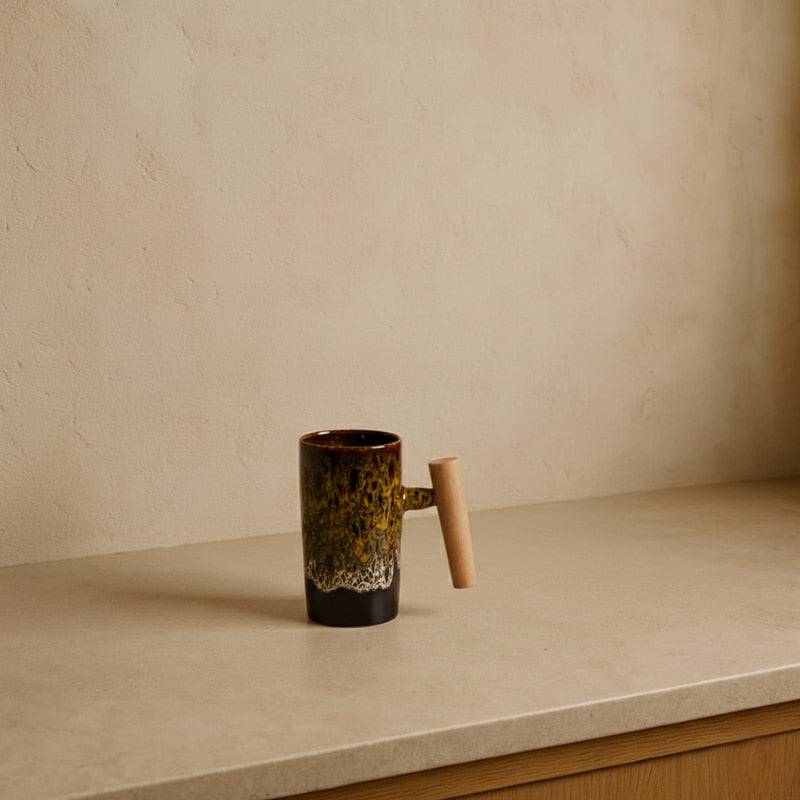
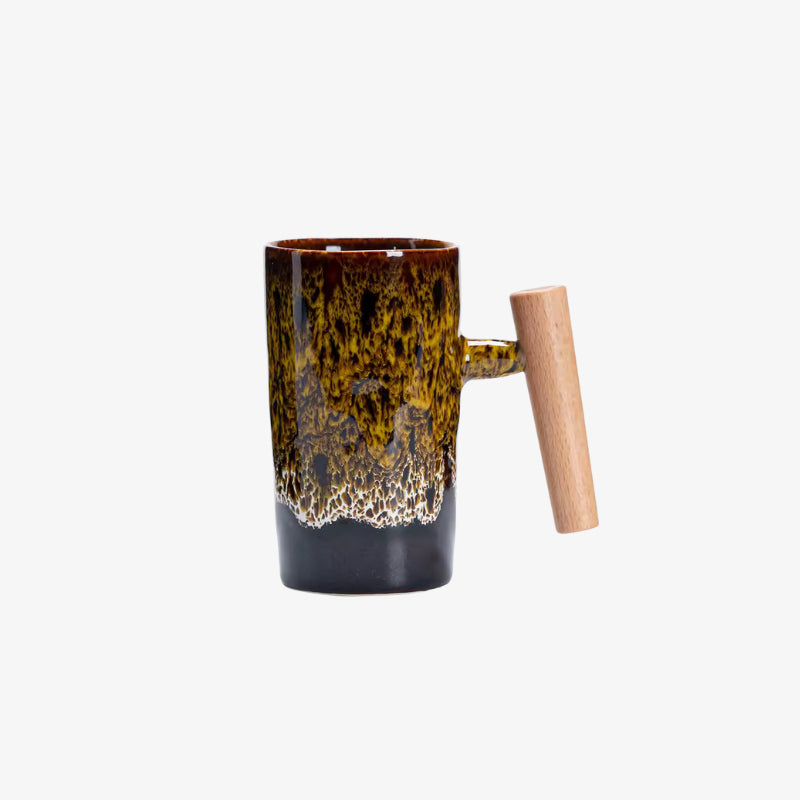
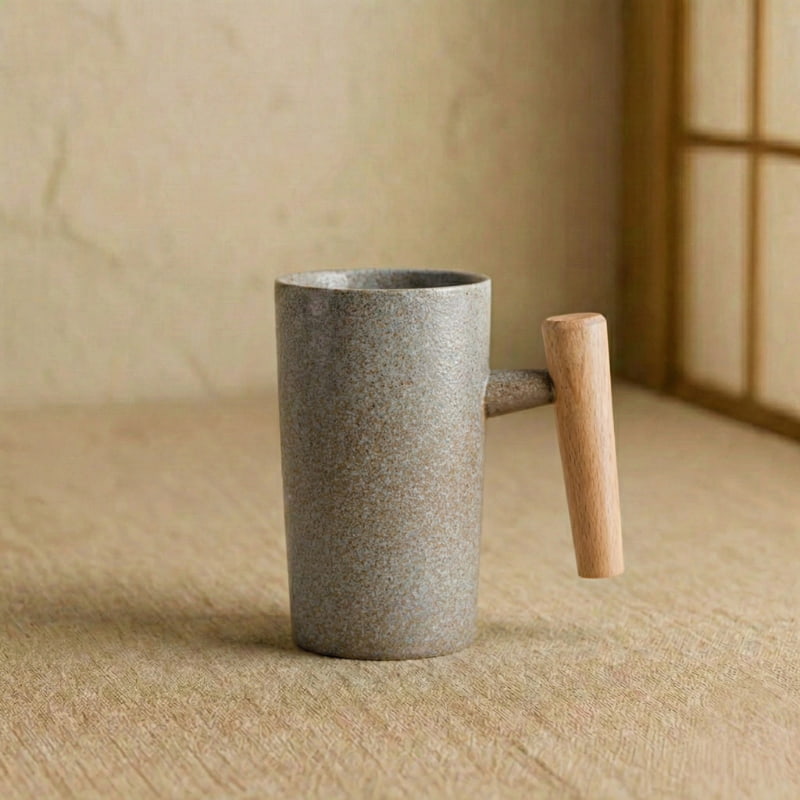
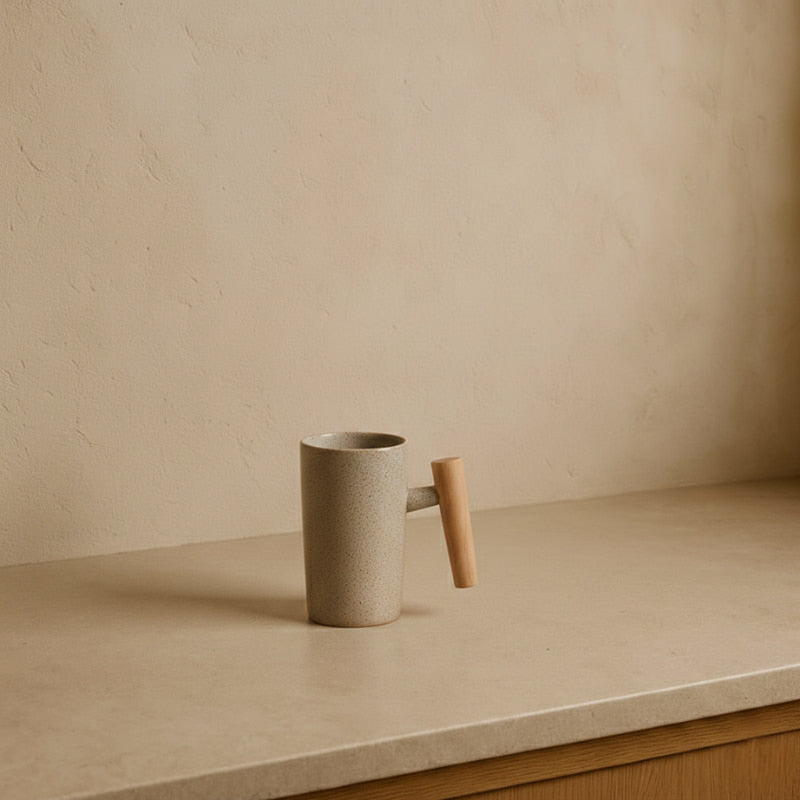
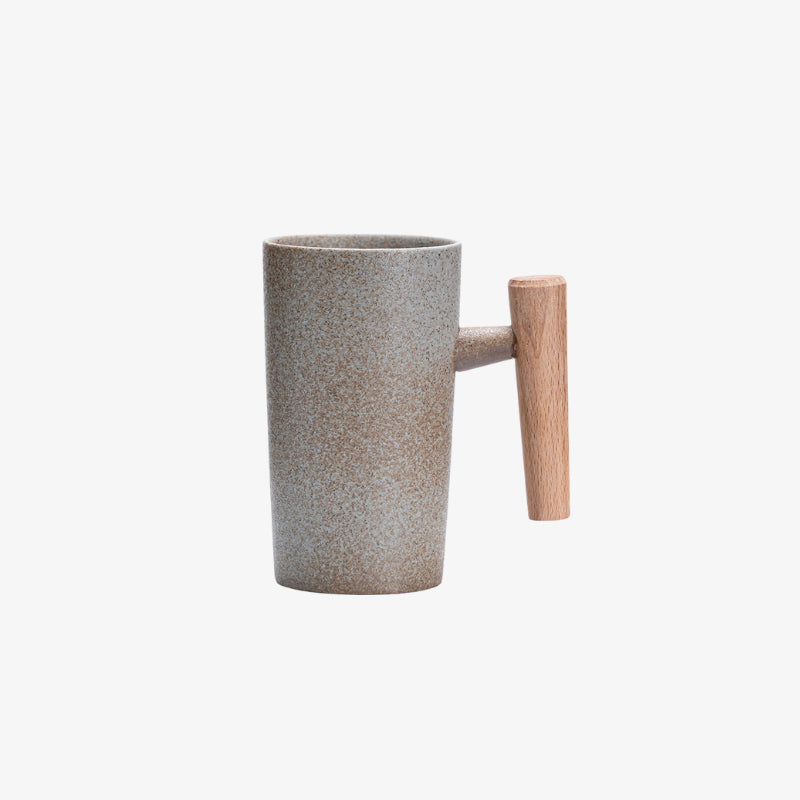
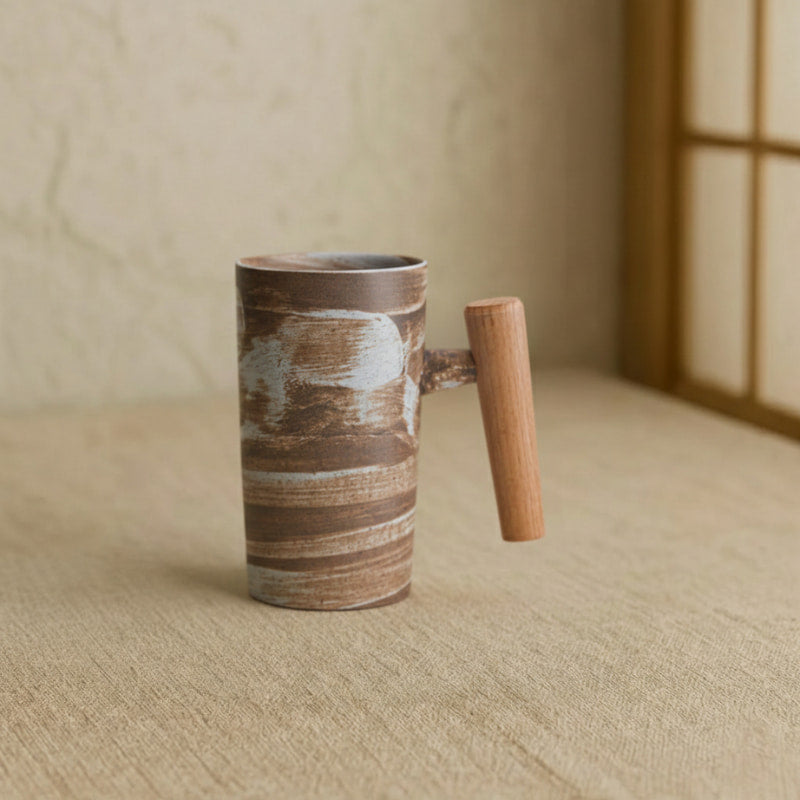
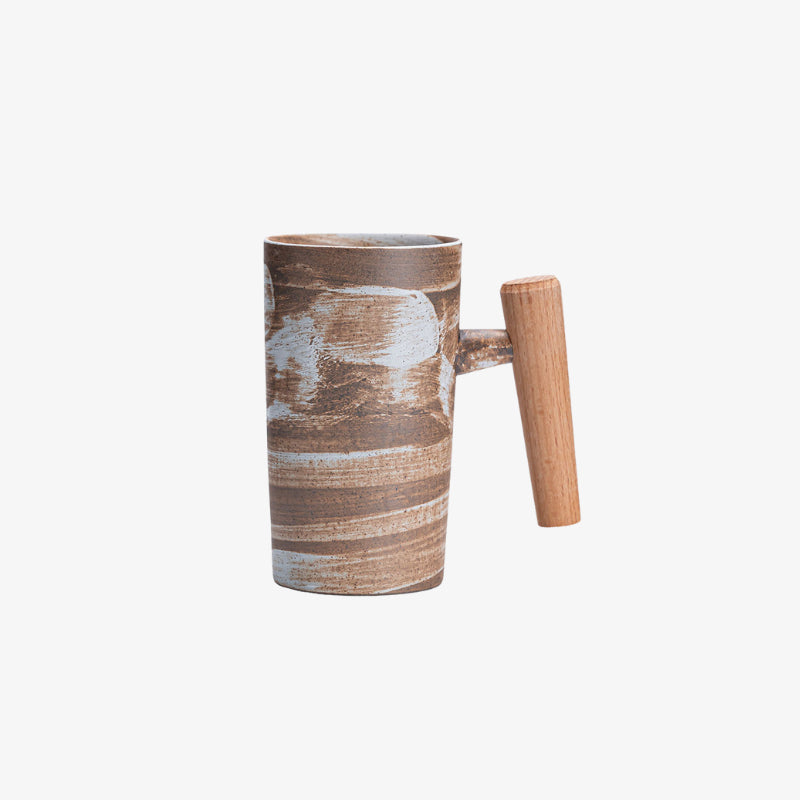
Stoneware, unglazed clay and pale bamboo carry the irregularities that define this look: a slightly uneven rim, a pore left visible in the glaze, a knot in the wood grain. These marks are not flaws to hide. In a wabi sabi kitchen, they are read as proof of hand and time, the same quality prized in a well used kyusu, the small side-handled teapot traditionally used for steeping green tea. Rattan and coconut shell bring warmth without shine, and sit easily beside stone or ceramic.
Styling a wabi sabi kitchen with tea rituals in mind
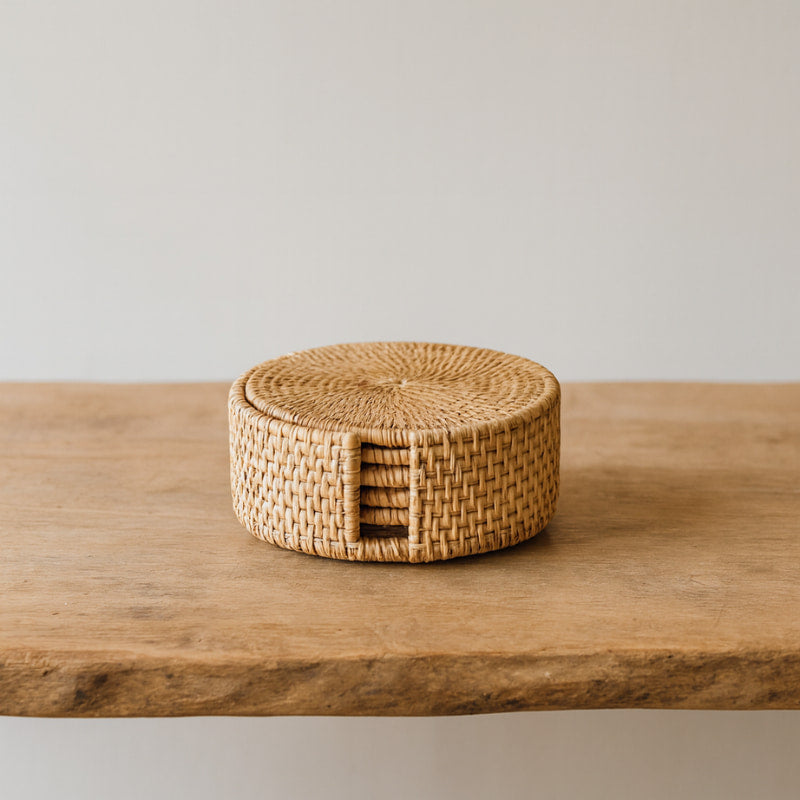
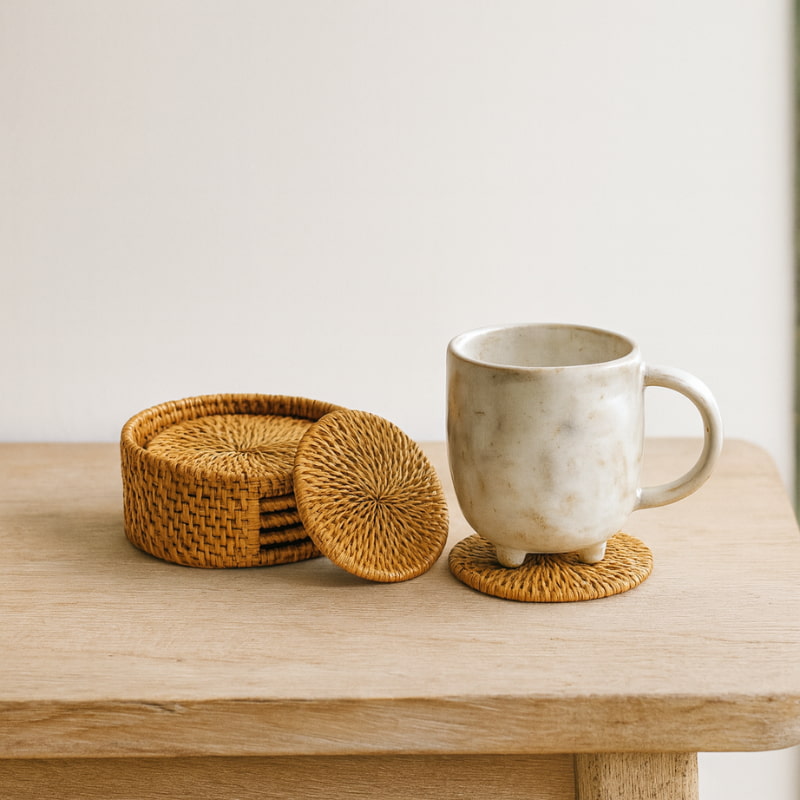
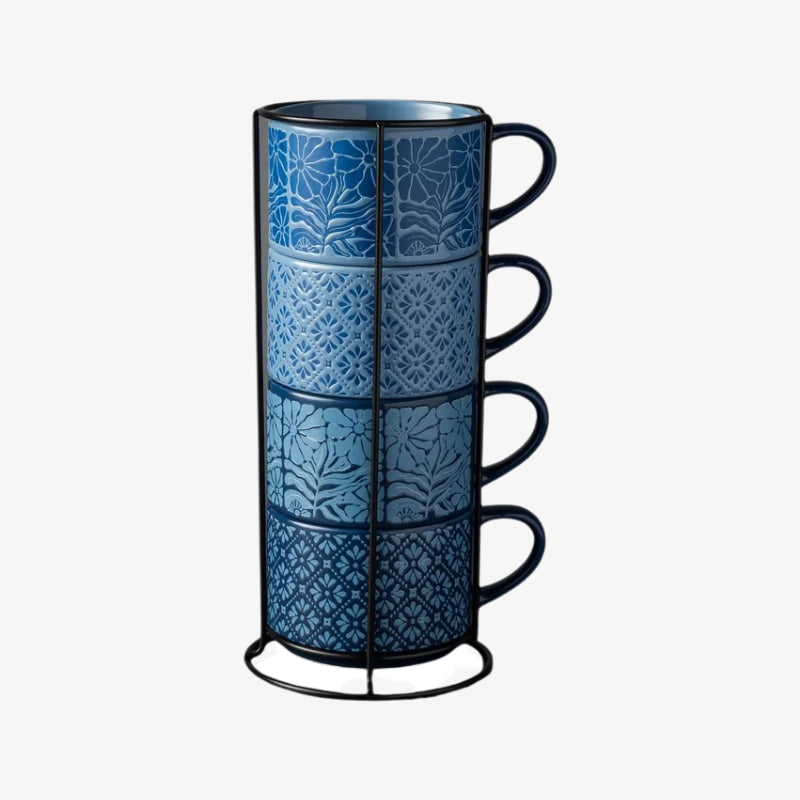
Begin with circulation: leave the counter near the kettle open, and place tea vessels within easy reach of where water is heated. Anchor the space with one or two proportioned pieces, a tray or a small shelf organizer, rather than several competing objects. Then layer texture gradually, a woven basket beside a smooth cup, a rough tray beside a glossy bowl. This sequence, borrowed from home staging practice, keeps a wabi sabi kitchen calm instead of cluttered, and leaves room for the daily tea ceremony, however brief, to feel intentional.
Caring for wabi sabi kitchen ceramics and wood
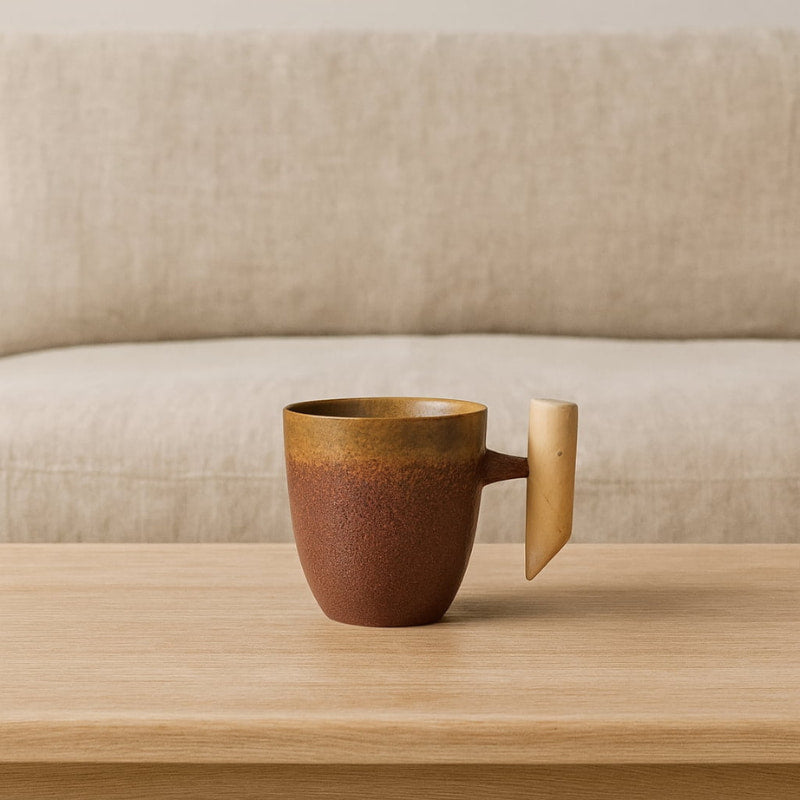
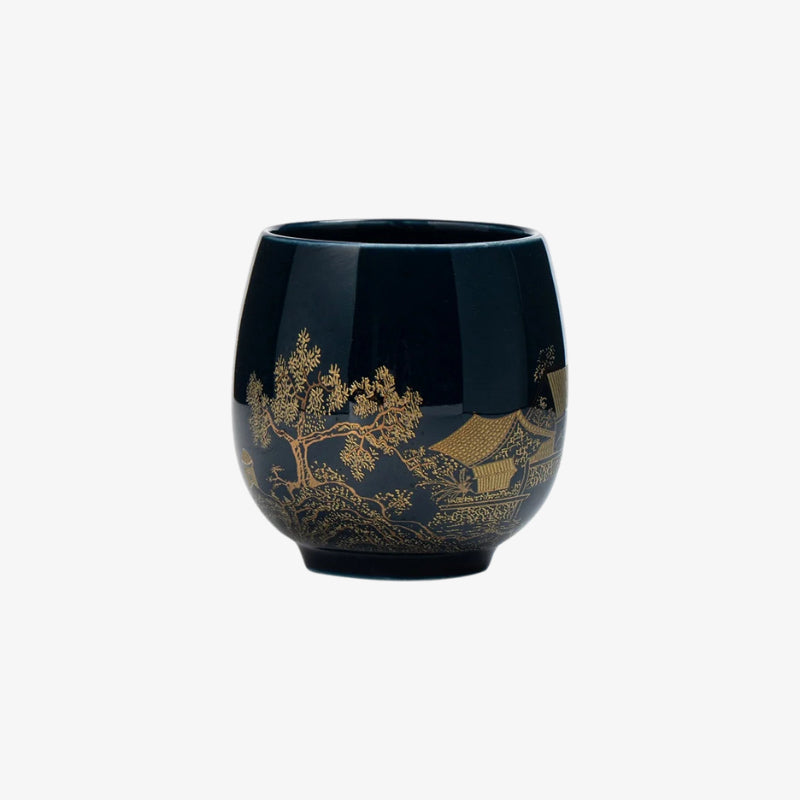
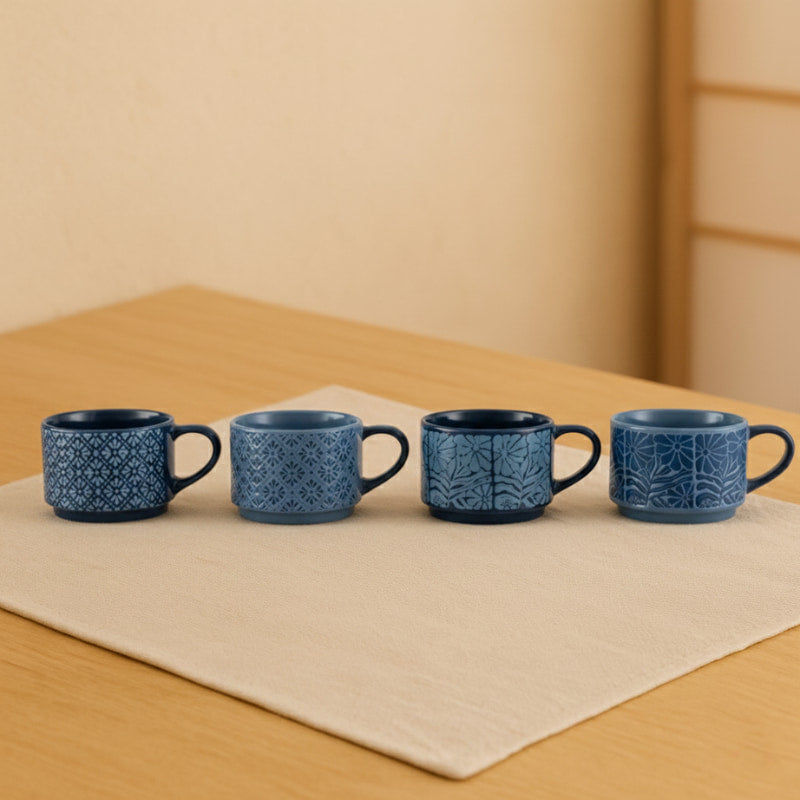
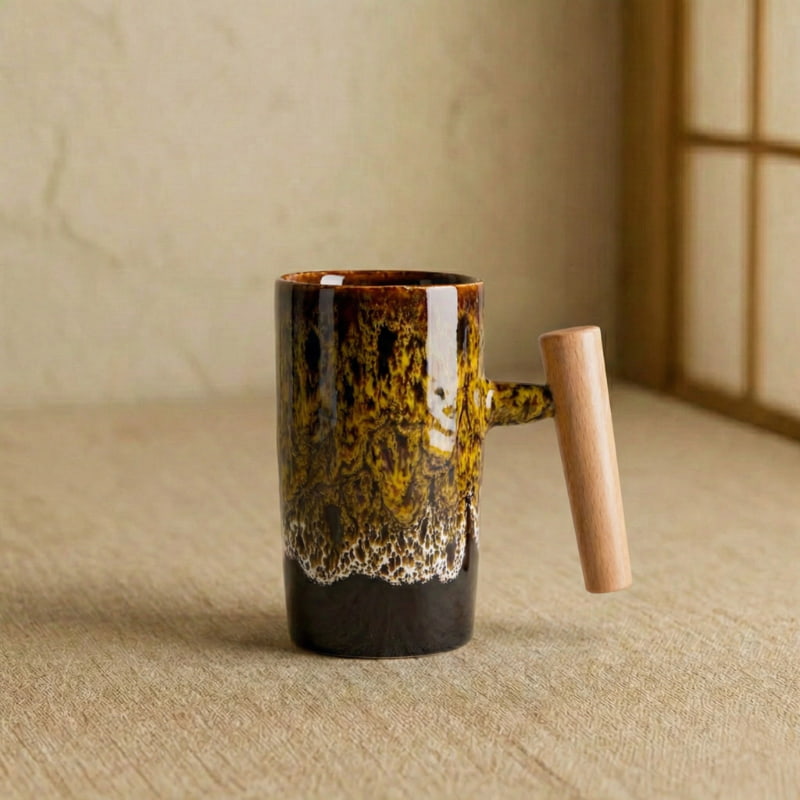
Handwashing preserves both glaze and grain longer than a dishwasher cycle. Unglazed clay in particular can absorb heat and moisture unevenly, so drying pieces fully before storing prevents dullness over time. Color and texture will vary slightly from one item to the next, since each is shaped and fired individually; this variation is part of the character expected in a wabi sabi kitchen, not a defect to return. A cup used often for sencha, the everyday green tea most commonly drunk in Japan, will develop its own quiet patina with use.
FAQ
What belongs in a wabi sabi kitchen besides tea sets?+
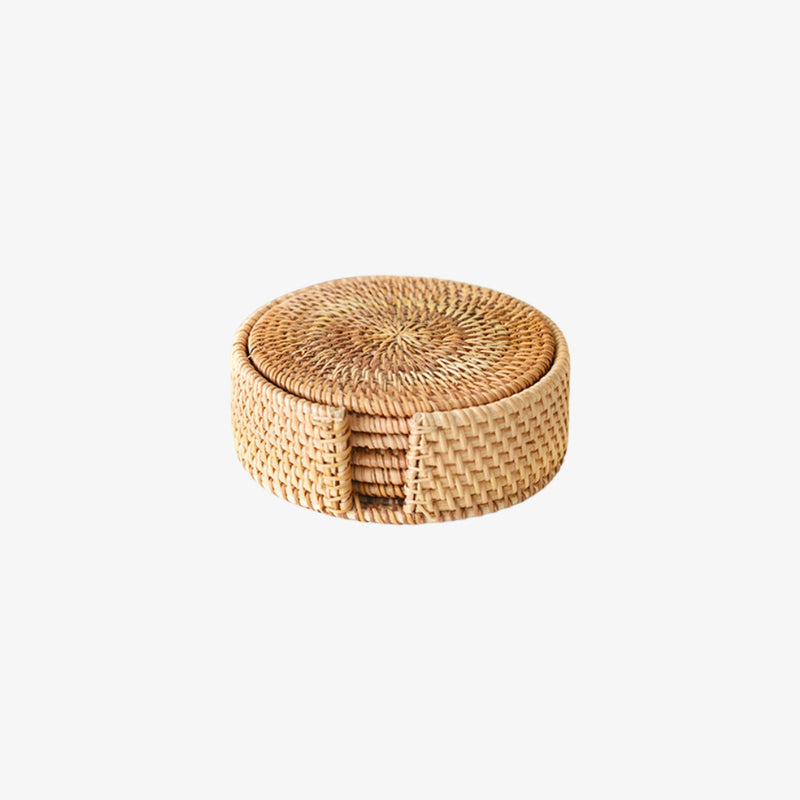
Beyond matcha bowls and cups, a wabi sabi kitchen often includes simple trays, small rattan or bamboo organizers, and a coconut or ceramic bowl for everyday use. The goal is fewer, well chosen pieces rather than a full matching set.
Can a wabi sabi kitchen mix ceramic and wood finishes?+
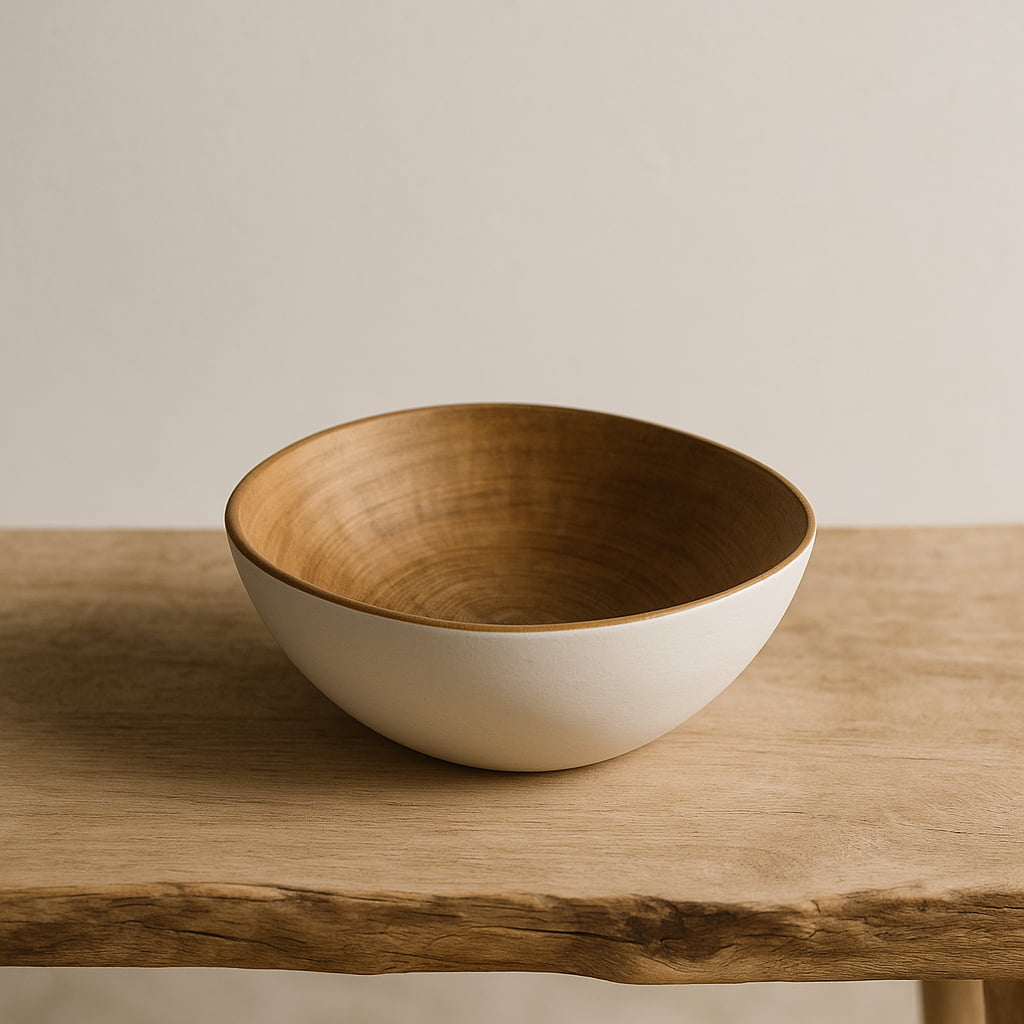
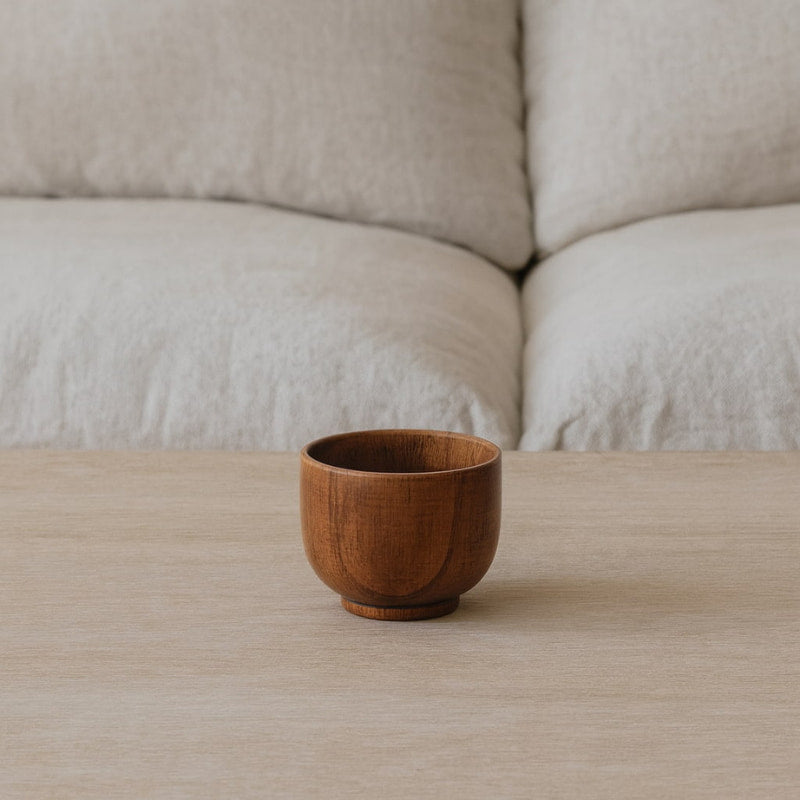
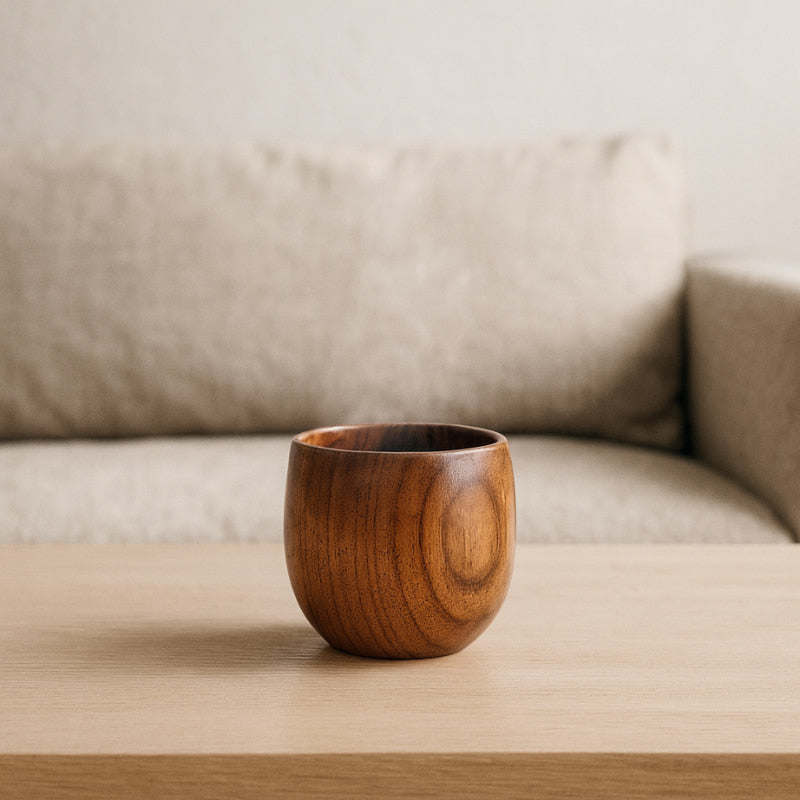
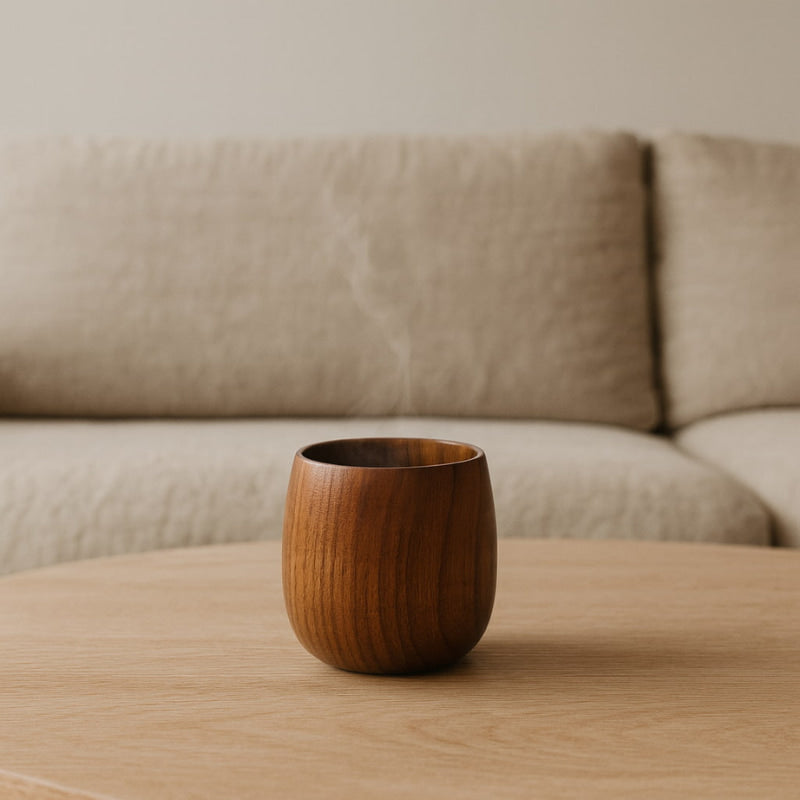
Yes, mixing stoneware, bamboo and pale wood is typical in this style. The contrast in texture between rough clay and smooth wood grain is part of what gives a wabi sabi kitchen its layered, lived-in feel.
How do I keep a wabi sabi kitchen looking uncluttered?+
Limit counters to items used daily, such as a tray by the kettle or one organizer near the sink. Leaving visible open space, rather than filling every surface, is central to this approach.
Is wabi sabi kitchen decor the same as japandi style?+
They overlap but are not identical. Japandi blends Japanese and Scandinavian minimalism with clean lines, while a wabi sabi kitchen leans further into visible imperfection, uneven glazes and natural wear.