Read more
Wabi Sabi Floor Lamp features and benefits for tranquil interiors
A well chosen Wabi Sabi floor lamp lowers the tempo of a space and turns corners into refuges. Gentle diffusion, low-glare shades, and steady bases guide the eye at a slow pace so surfaces breathe and furniture lines settle. The philosophy behind Wabi Sabi values natural change, tactile imperfection, and modest form, which suits floor lights that soften edges rather than shout for attention.
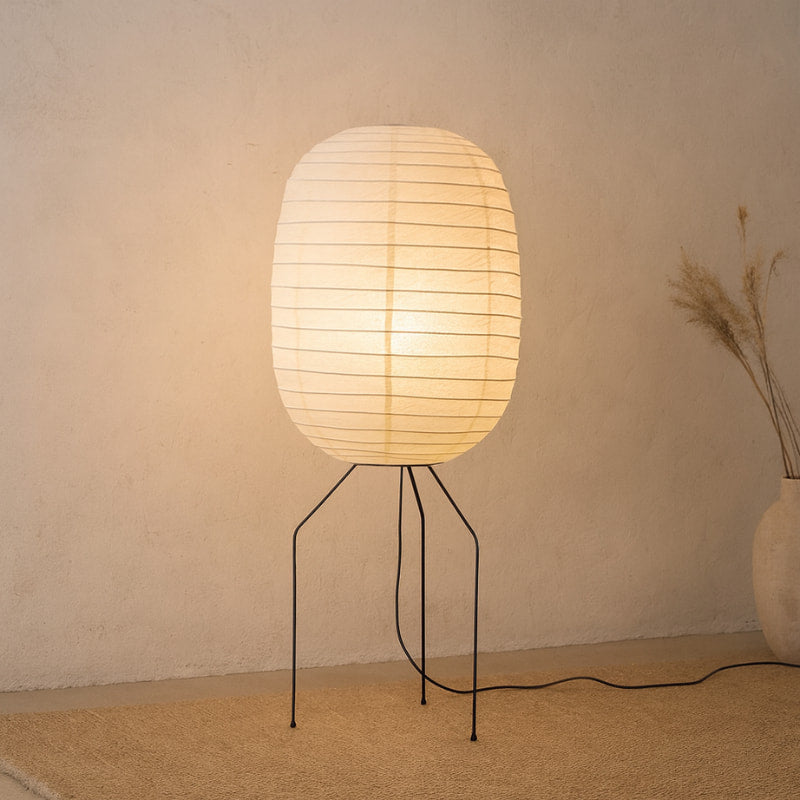
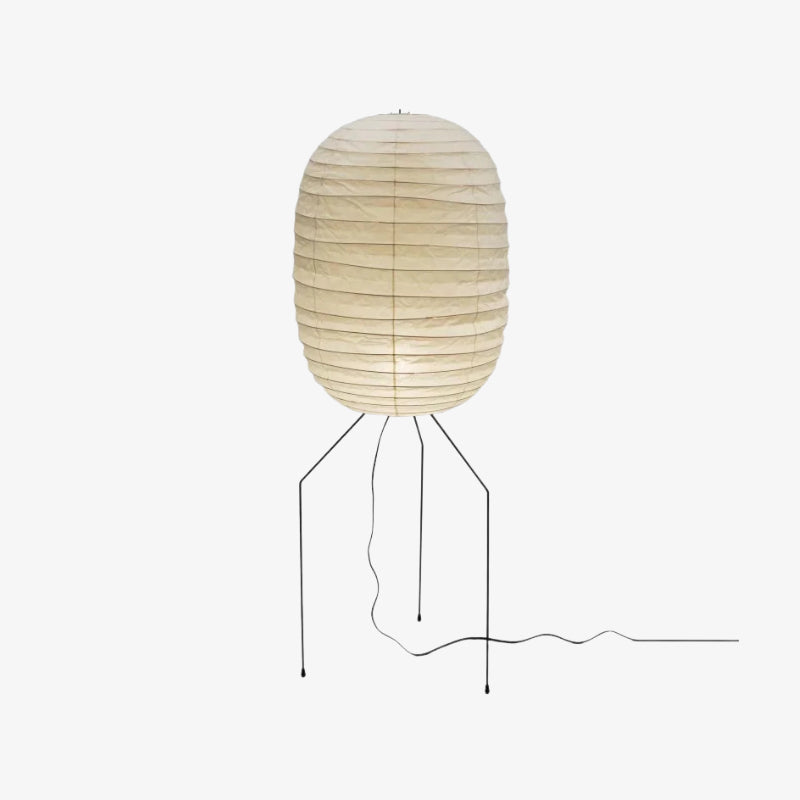
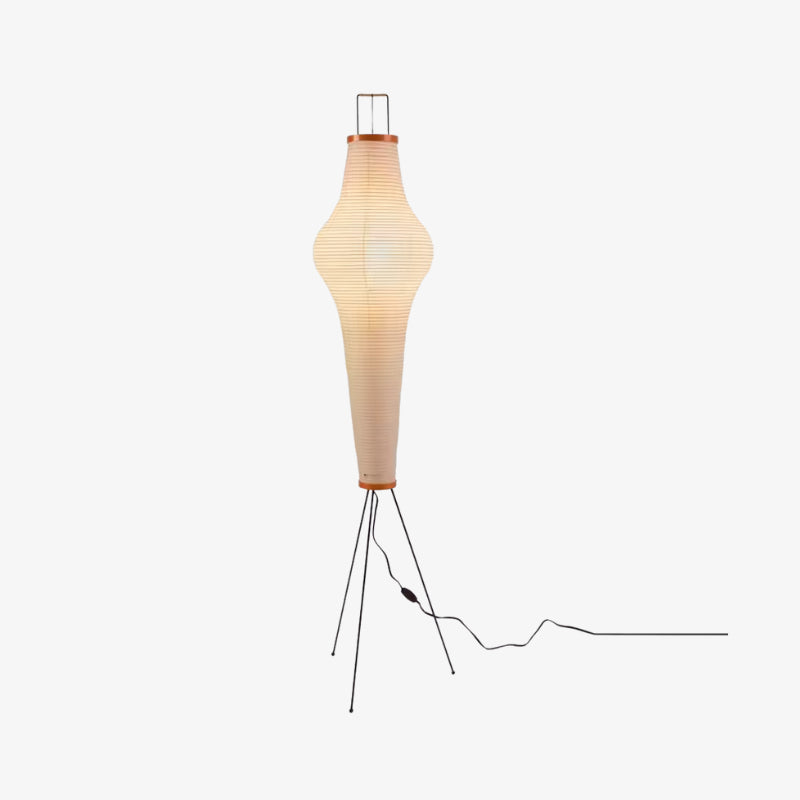
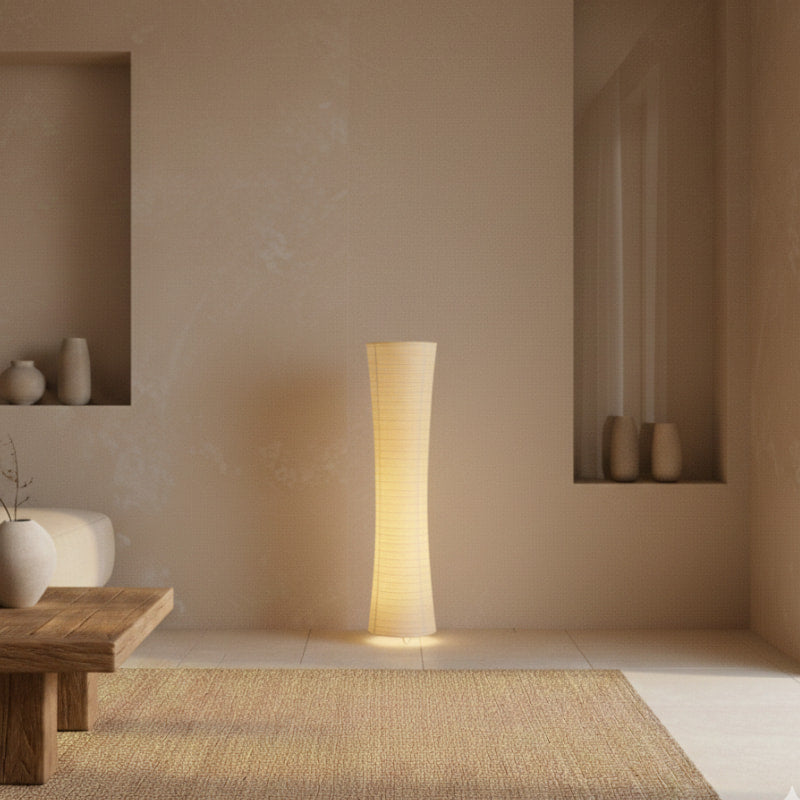
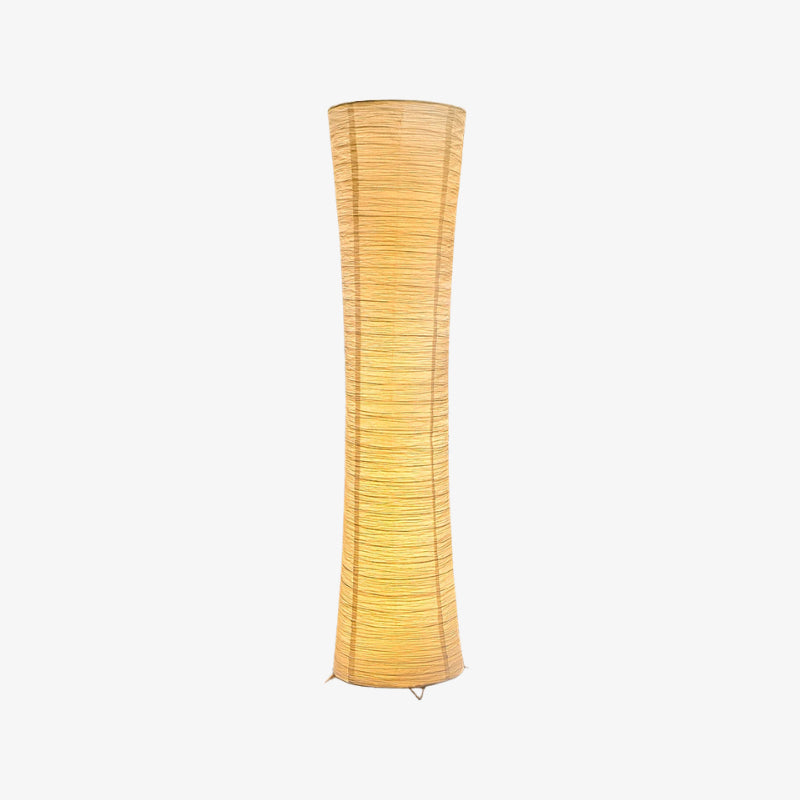
Paper and fabric diffusers deliver the quiet glow that Wabi Sabi lighting needs. A softly ribbed japanese paper floor lamp filters brightness into a clouded halo, and bamboo or wire ribs hold the skin with a light touch. Historic Akari lanterns by Isamu Noguchi show how washi and a simple frame can turn light into sculpture while staying humble in scale and feel.
When you prefer a shade that reads lighter in silhouette, a paper lantern floor lamp gives a floating presence and rests the eye at dusk. Washi, made from mulberry inner bark, diffuses light in a remarkably gentle way, which helps living rooms unwind after busy hours and keeps focus on conversation rather than on the fixture.
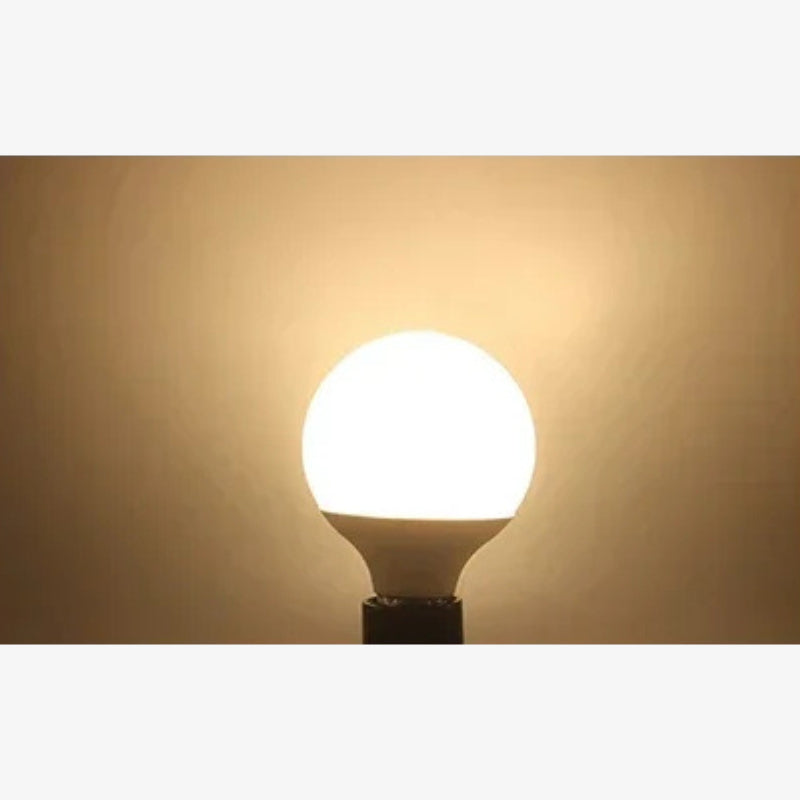
Color temperature shapes mood more than most people expect. In living spaces, warm ranges keep evenings kind and human. A family of floor lamps that run around 2700K to 3000K encourages rest, while slightly higher, crisper tones suit a focused reading corner if you need extra clarity on the page.
Layered light builds depth. Ambient light sets the base, task light supports reading and craft, and accent light traces texture across walls and shelves. A relaxed floor lamp japandi approach mixes these layers with restraint so the room reads coherent rather than busy.
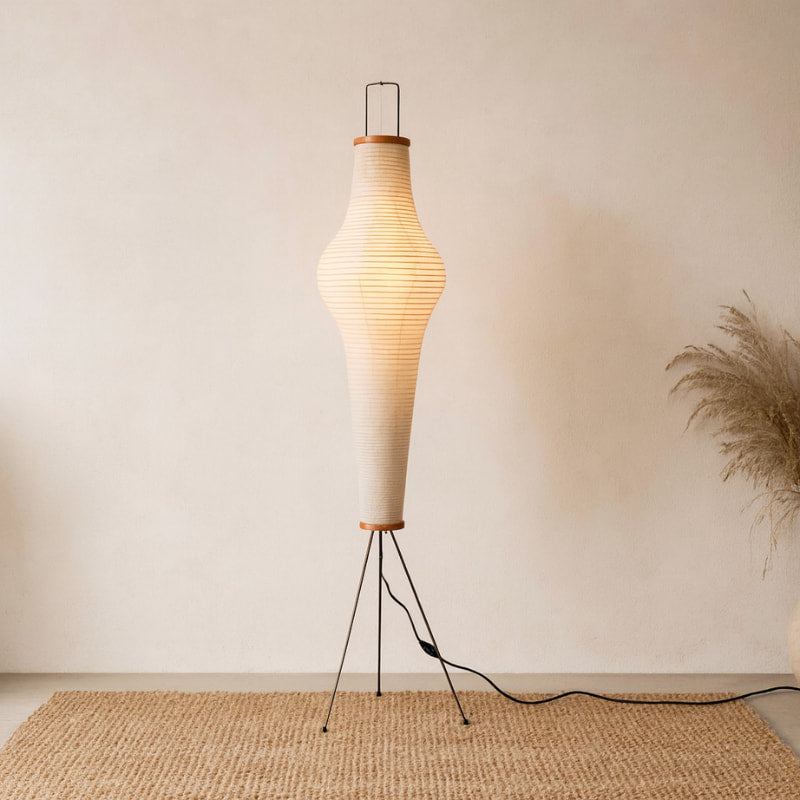
Shade shape changes the beam and the feel. Drum shades spread light in a wide band for social zones, while tall ovals push light upward to wash a wall. A minimal linen cylinder or a quiet rice-paper skin works well when you also plan a companion table lamp or sconce. For narrow rooms, a slender profile labeled as a paper lamp floor design tucks beside a sofa without crowding the walkway.
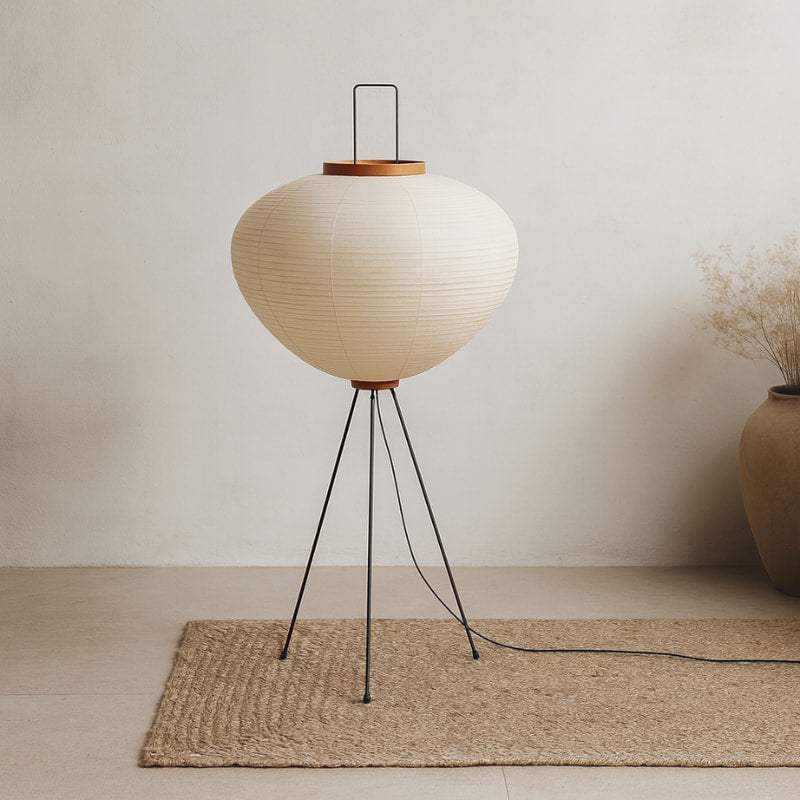
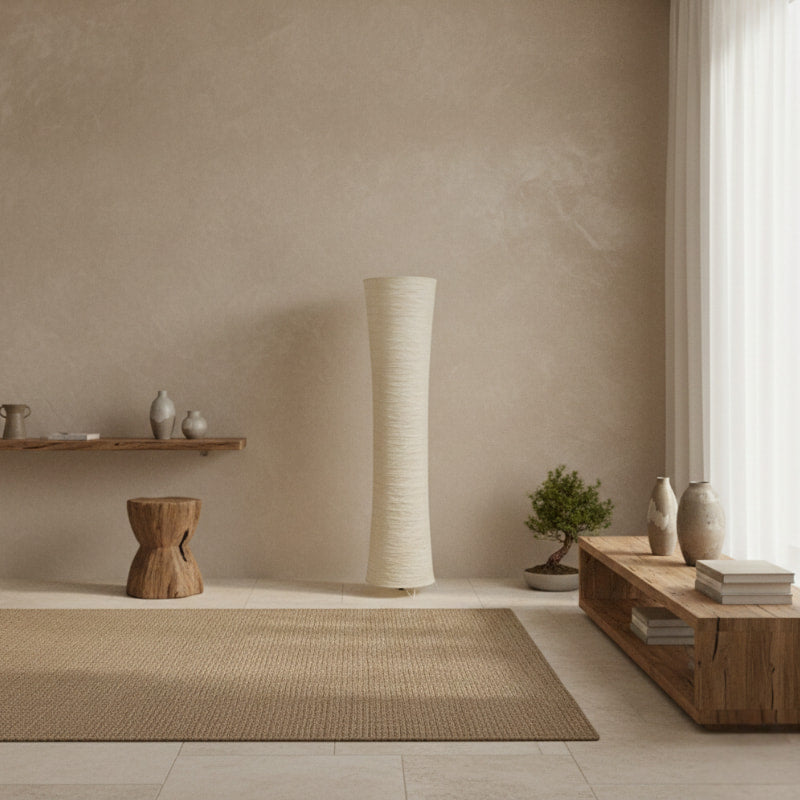
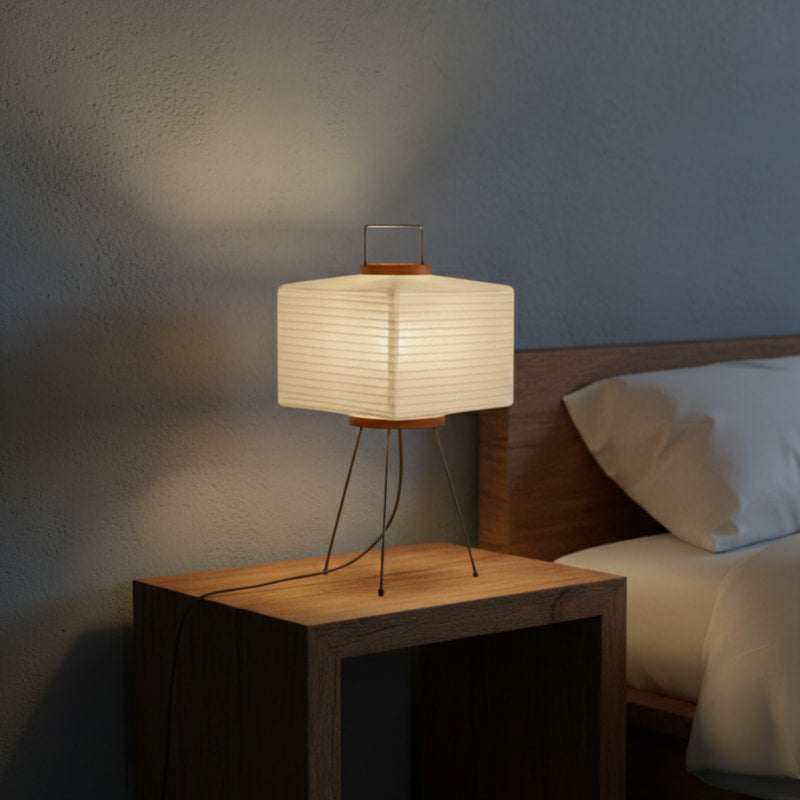
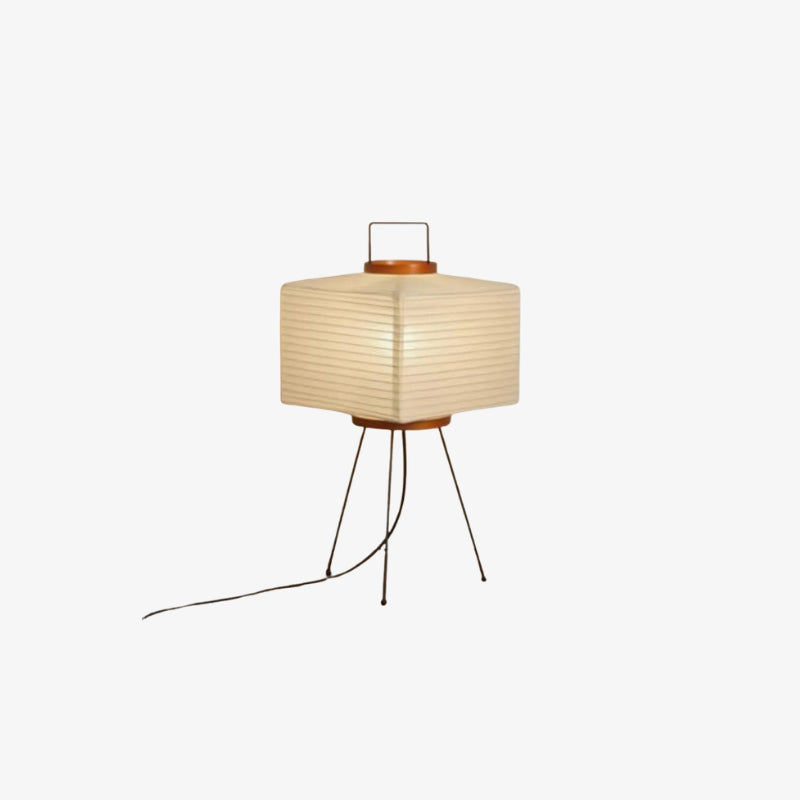
Form meets function in graceful ways. Tripod frames plant the lamp with stability, arcs pull light over a seat, and column silhouettes read like vertical sculptures. A restrained Japanese floor Lamp can anchor a zone while leaving sightlines open to windows and shelves. These choices keep the plan quiet and the light generous where people sit, read, and talk.
Wabi Sabi Floor Lamp buying guide for size, shade, lumen, and placement
Map the room before you shop. Sketch the rectangle, mark doors and windows, and track the path from entry to seat to bookshelf. Begin with the anchor seat, then place the floor light where it clears traffic and reaches the task. If your palette leans pale, select a linen or washi shade; if your palette leans dark, pick a warmer interior lining to keep the glow soft. A compact profile marketed as a floor paper lamp suits apartments and narrow corners where depth runs tight.
Choose height to match the task. Reading zones benefit when the lower edge of the shade sits near eye level while seated, which reduces glare and keeps the page bright. For general ambiance, set the shade higher to bounce light off walls and ceiling. Keep switch or dimmer access intuitive so hands find it without searching, and confirm that the base slides under a sofa edge or beside a cabinet if floor space runs tight.
Align color temperature with use. Warm ranges around 2700K relax the body after work, and 3000K reads a touch crisper for evenings with books or craft. Many interiors mix both by keeping the room warm and nudging only the reading pool slightly cooler; this small difference adds contrast without breaking harmony. Planning at this level follows best practice in residential lighting and supports circadian comfort at night.
Pick diffusion that suits your eye. Rice paper, linen, and woven fibers scatter light differently. Paper produces a cloud-like halo with soft edges; linen yields a calm band with readable texture; woven reeds create a gentle lattice on nearby surfaces. A classic japanese paper floor lamp gives the softest wrap of light and excels in rooms that need calm more than punch.
Mind footprint and stability. Wide bases plant tall forms, while low, weighted disks disappear under a chair rail or sofa arm. If kids or pets share the space, choose frames with a low center of gravity and consider a tip-resistant base. Cable routing matters too; plan a clean line to the outlet, and use floor cord covers where needed so the lamp integrates with the layout.
Evaluate shade openness. An open-top shade sends light upward to wash walls and expand the room; a closed-top shade hides the bulb and emphasizes the silhouette. Oval shades sit closer to walls and save depth in tight zones, while round drums breathe better in open plans. A quiet Wabi Sabi floor lamp with a pale interior shade lifts color rendering and keeps faces friendly at night.
Look for dimming and control that support routine. A rotary dimmer on the stem or a foot pedal near the base keeps adjustment simple. Smart bulbs or inline modules add scenes without extra hardware. Save a warm low setting for movie nights and a mid-high setting for cards or reading. When you mix this lamp with pendants or table lights, you fine-tune layers rather than fight them.
Consider material honesty. Natural wood, powder-coated steel, and stone bases age with dignity and record small marks as memory rather than damage. Paper and linen shades soften over years into a pleasing patina. This approach aligns with the core of Wabi Sabi, which embraces impermanence, modesty, and the beauty of use.
Scale the lamp to furniture. Beside a low sofa, a medium-height profile keeps proportions humane; next to a high-back chair, a taller arc or column brings the light where eyes and hands need it. For dining ends or console areas, treat the floor lamp as an architectural line that balances a painting or shelf without competing. If your room blends Scandinavian calm with Japanese restraint, a gentle floor lamp japandi silhouette will fit the story without extra ornament.
Reference heritage when it serves the plan. Classic Japanese lantern craft uses washi and bamboo ribbing to make light feel weightless yet warm. Noguchi’s Akari series shows how this tradition can guide modern choices without turning the room into a museum. When you select a paper diffuser for a corner or reading nook, you honor that lineage and gain a timeless quality in the glow.
Wabi Sabi Floor Lamp use and care tips for long-lived warmth
Place the lamp where light can graze surfaces rather than hit them square. Wall washing lowers contrast and calms eyesight at night. Aim the shade to avoid reflections on framed art or screens. Keep the beam just behind the reader’s shoulder for a book and slightly forward for craft or needlework. This simple choreography uses the lamp’s height and shade to shape mood with minimal effort.
Dust with soft tools and light pressure. A clean paintbrush or a microfiber cloth lifts particles from paper ribs and stitched seams without flattening texture. For linen, run a vacuum brush on low suction across the shade, working top to bottom. Avoid wet cleaners on paper; a dry method preserves fibers and keeps the diffuser bright. When you see a stubborn speck, use a white eraser gently on matte areas.
Protect paper and fabric from harsh sun. Rotate the lamp seasonally if a strong beam hits the shade for long periods, or add sheers to temper midday light. Paper skins, especially washi, reward this care with years of steady diffusion. If a small crease appears on the shade, ease the frame back to round and let gravity relax the wrinkle.
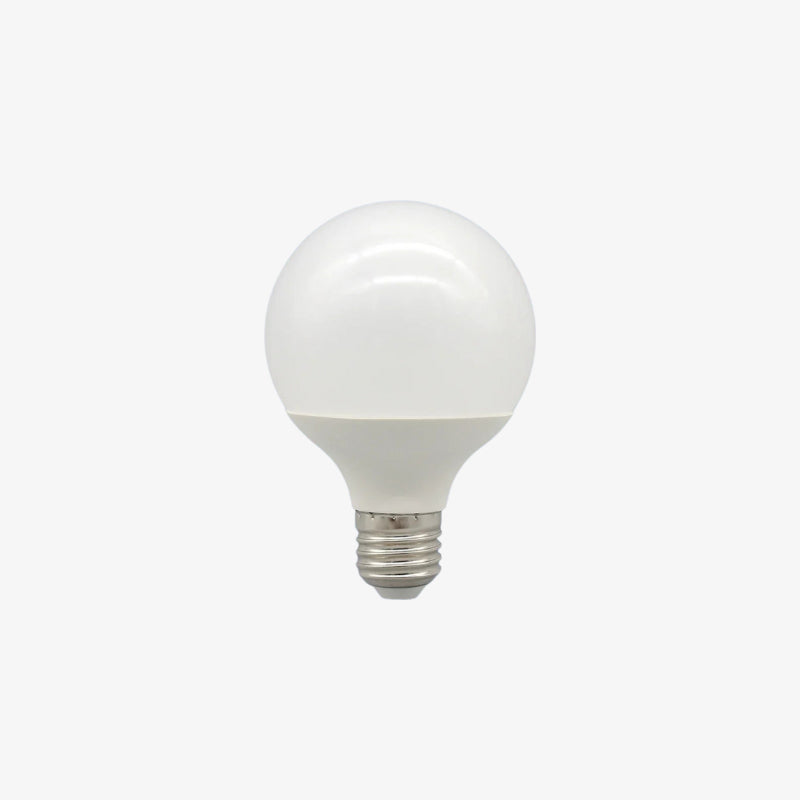
Choose bulbs with care. Warm LEDs with high color rendering keep wood, textiles, and skin tones honest. If you read often, step up brightness a notch and add a shade with stronger cut-off to reduce glare. For ambiance, pick lower output and rely on reflection from walls to fill the room. Store a spare in a drawer near the lamp so routines never stall while you search for a replacement.
Keep the base and joints tight. Check fasteners twice a year, especially on adjustable stems and arc arms. Add felt to the underside if the lamp slides on wood or stone. When you move furniture, lift the lamp by the stem near the base rather than by the shade to protect the frame. Coil the cable in loose loops to prevent twists that tug at the plug.
Clean finishes with gentle methods. Wipe wood and powder-coated metal with a slightly damp cloth and dry immediately. For stone, use a dry cloth first, then a barely damp wipe if needed. Avoid abrasive pads that polish away character. You cultivate the patina that Wabi Sabi celebrates by tending rather than scrubbing surfaces.
Refresh scenes through the year. In winter, dim the lamp lower and add a companion table light to layer warmth; in summer, raise the level slightly to balance late sunsets. Pair the floor light with a pendant from the Wabi Sabi family to complete the triangle of ambient, task, and accent light without crowding the plan. This cadence keeps evenings generous and mornings clear.
Host with thoughtful placement. Pull the lamp a touch closer during conversation so faces glow softly; slide it back when people watch a film to reduce screen reflections. If you showcase a paper diffuser, consider a second lamp with a fabric shade elsewhere in the room to balance texture. A quiet paper lantern floor lamp by the window and a linen-shaded column near the shelves create a rhythm that feels natural and human.
Store spare shades and parts well. Keep replacement paper skins flat in a dry place, and wrap fabric shades in cotton to prevent dust. Label dimmers and bulbs by color temperature so you return the room to its preferred tone after a change. Over time, your lighting kit will feel like a set of instruments tuned to daily life, not a pile of mismatched parts.
Let the lamp mark nightly rituals. Switch it on first to signal the shift from work to rest. Read one page, stretch, pour tea, and dim a notch. This steady sequence trains the room to wind down on cue. In that gentle light, textures of wood, linen, and clay gain quiet depth, and the home carries Wabi Sabi values from corner to corner.