Read more
Floor Cushion comfort in Japanese inspired living spaces
In a Japanese style living room, seating often stays close to the ground so the body feels anchored instead of perched. A group of floor seating cushions around a low table encourages people to sit cross legged, stretch their legs, or lean back on a wall while still feeling supported. This layout opens the sight line across the room, lets light travel freely, and turns even a compact apartment into a space that feels open and welcoming.
Adults benefit directly from this approach when the cushions offer generous size and support. Well padded floor cushions for adults allow the hips to relax, the spine to lengthen, and the shoulders to drop away from the ears. The experience differs from sinking into a deep sofa because the body can shift easily between kneeling, cross legged, and side sitting, which suits long evenings of shared meals, games, or conversation on tatami or soft rugs.
Larger formats help zones feel generous and inviting. A corner filled with large floor cushions can replace a traditional armchair or chaise, while still leaving more visual breathing room. These oversized pieces let people lounge with a book, nap during the afternoon, or gather several friends for a movie night without dragging chairs across the room. In a Wabi Sabi home, this relaxed corner often sits near soft lighting and natural wood to create a quiet sanctuary.
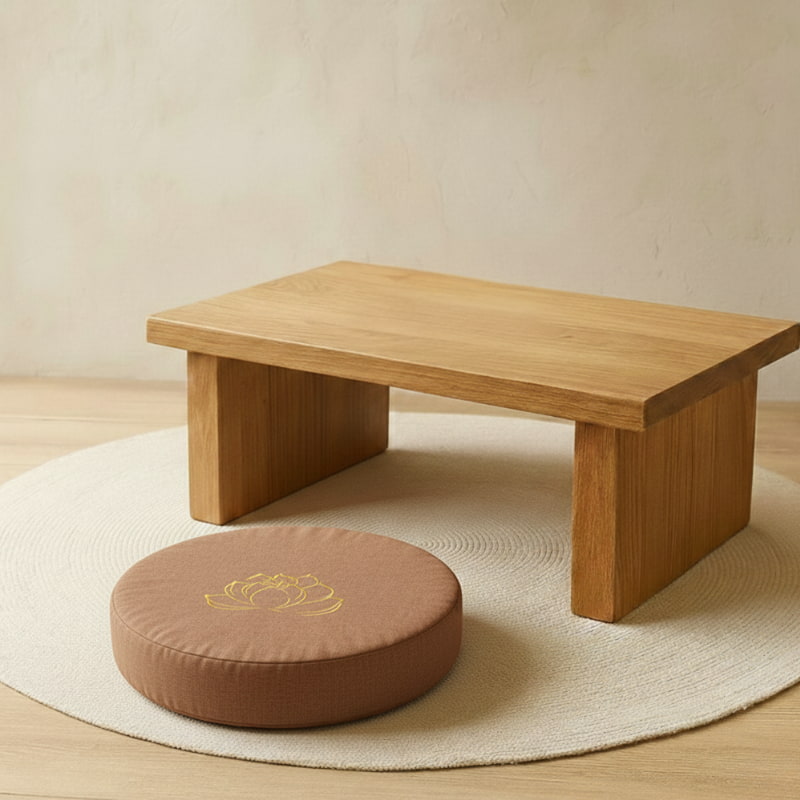
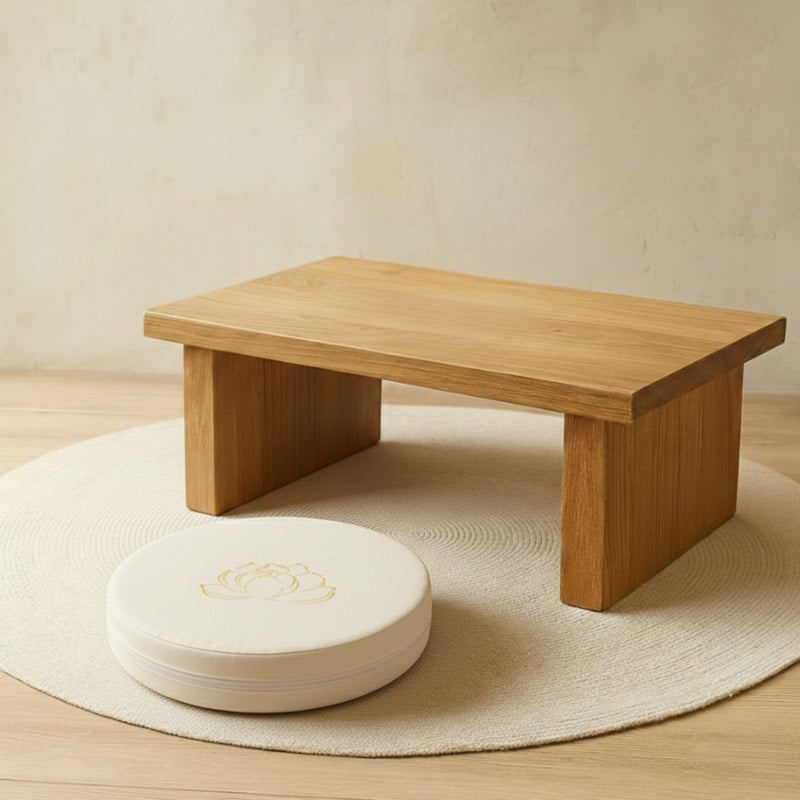
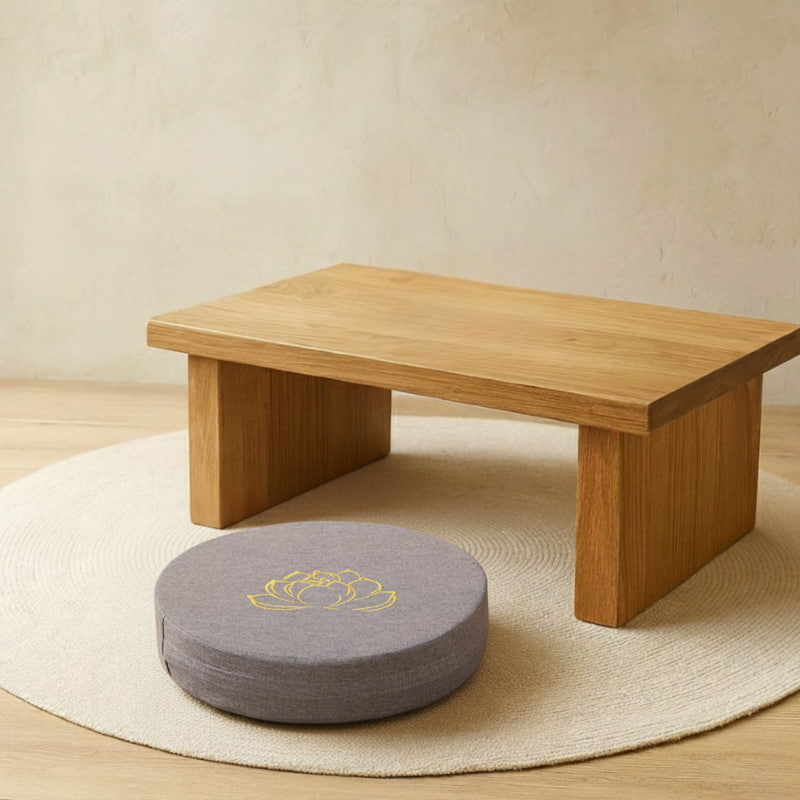
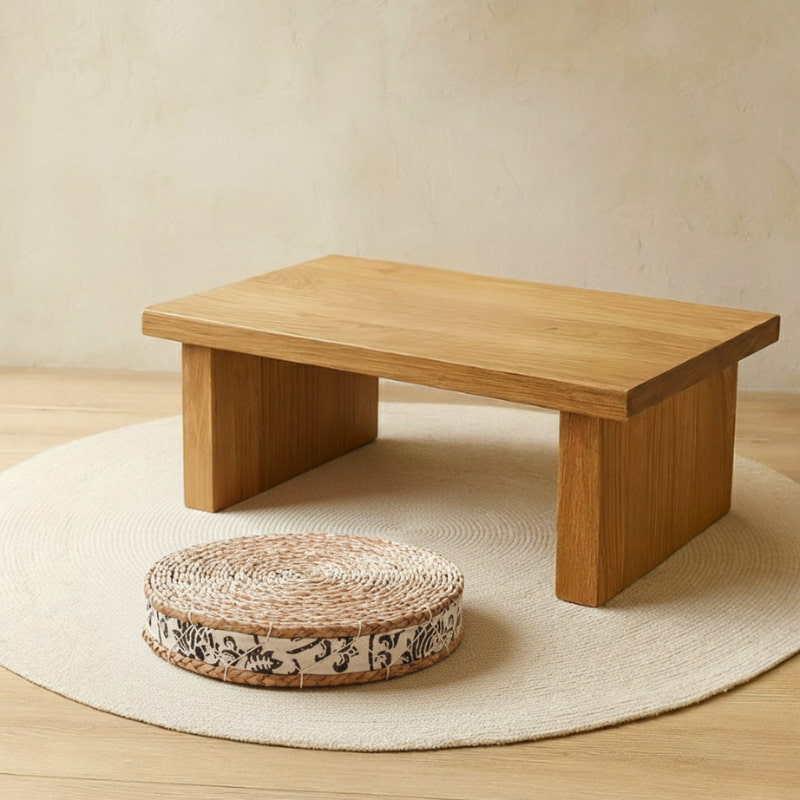
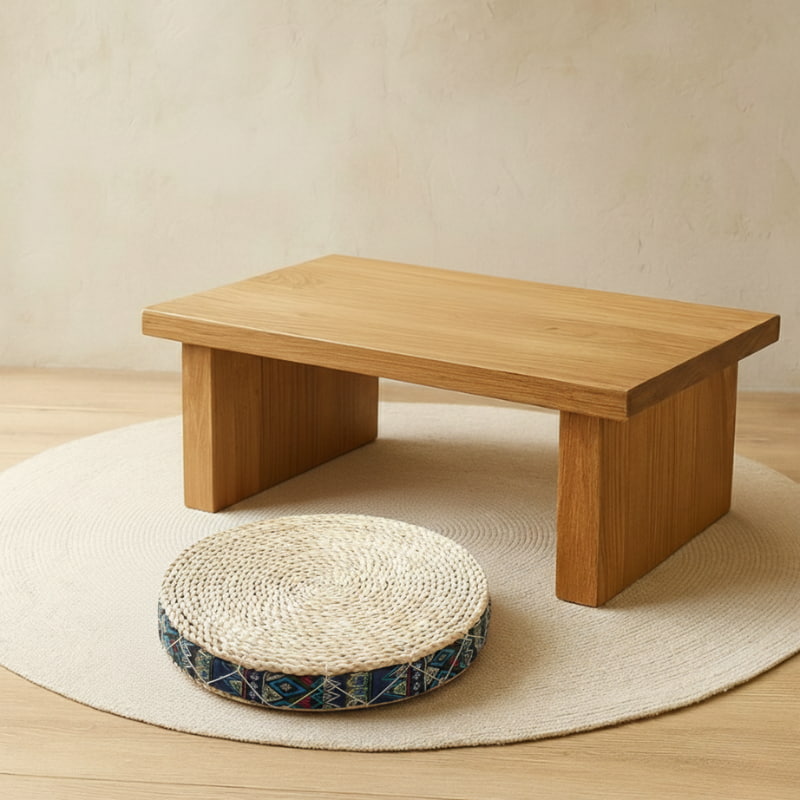
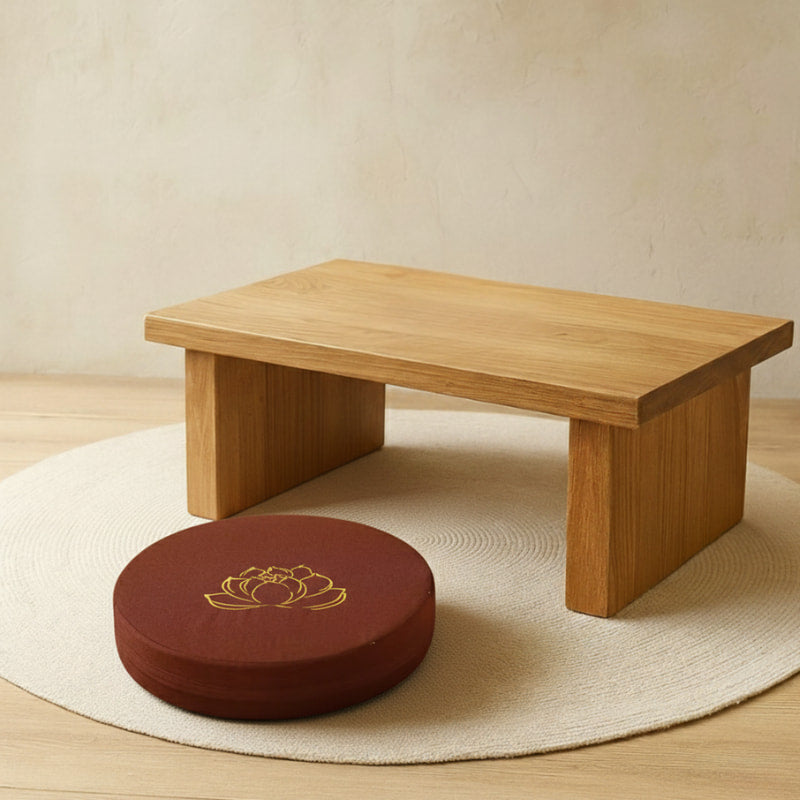
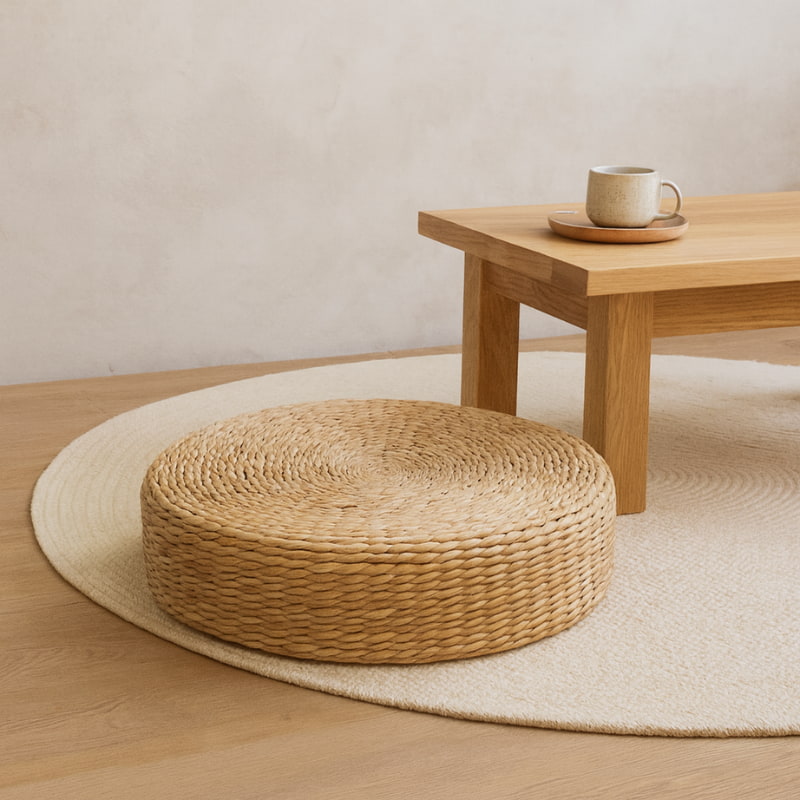
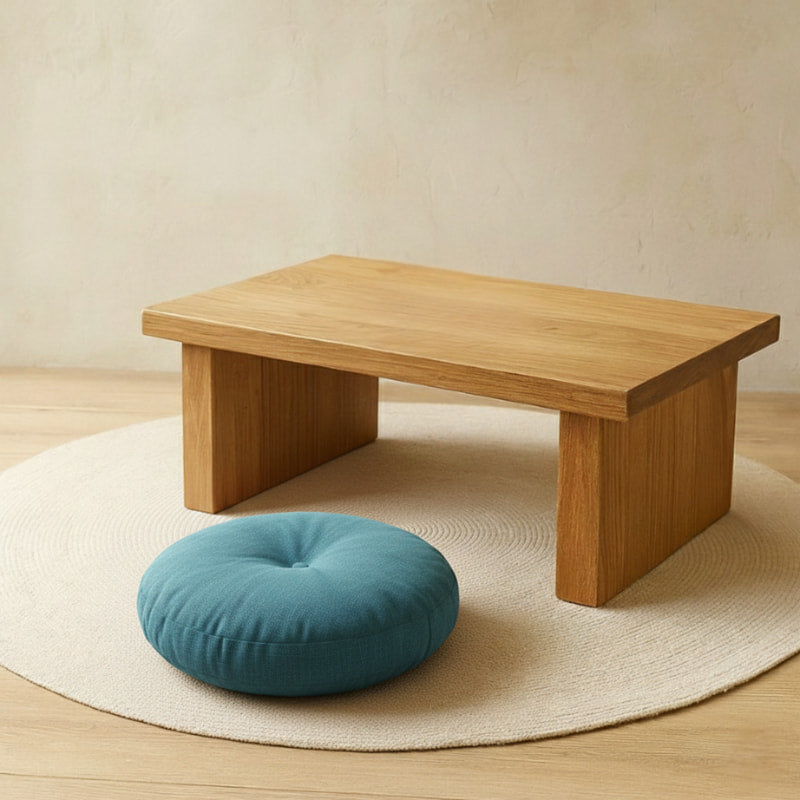
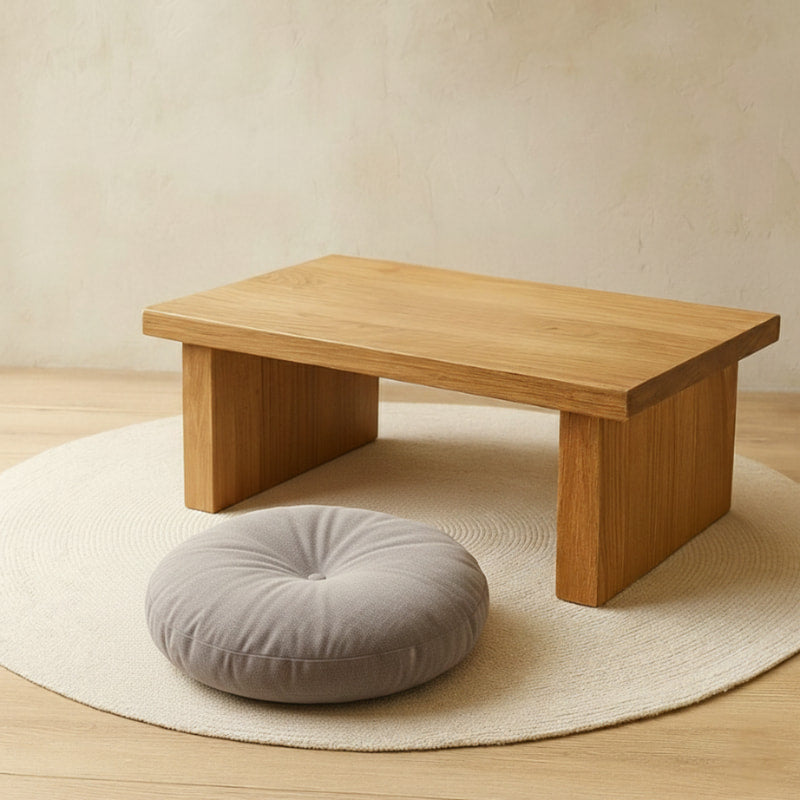
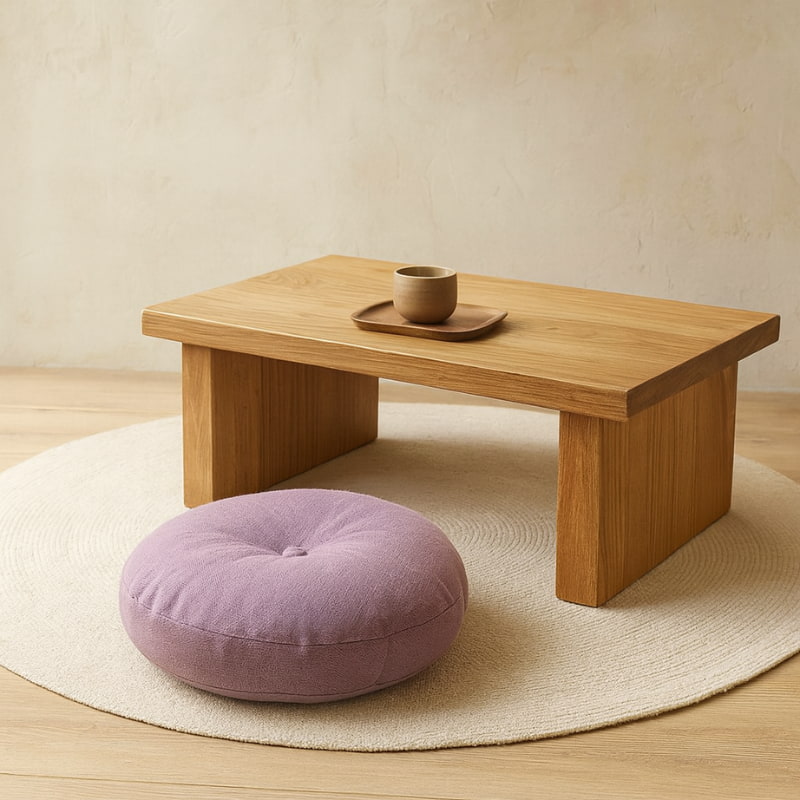
Living areas gain their own character when the main seating solution stays low and flexible. A grouping of floor cushions seating around a chabudai style table or a small tray stand keeps the center of the room free from bulky furniture. Guests can choose how close they sit to the table, how they stretch their legs, and how they orient themselves toward others, which creates a more informal and fluid social energy than fixed chairs around a high table.
Floor Cushion styles and visual harmony with Japanese decor
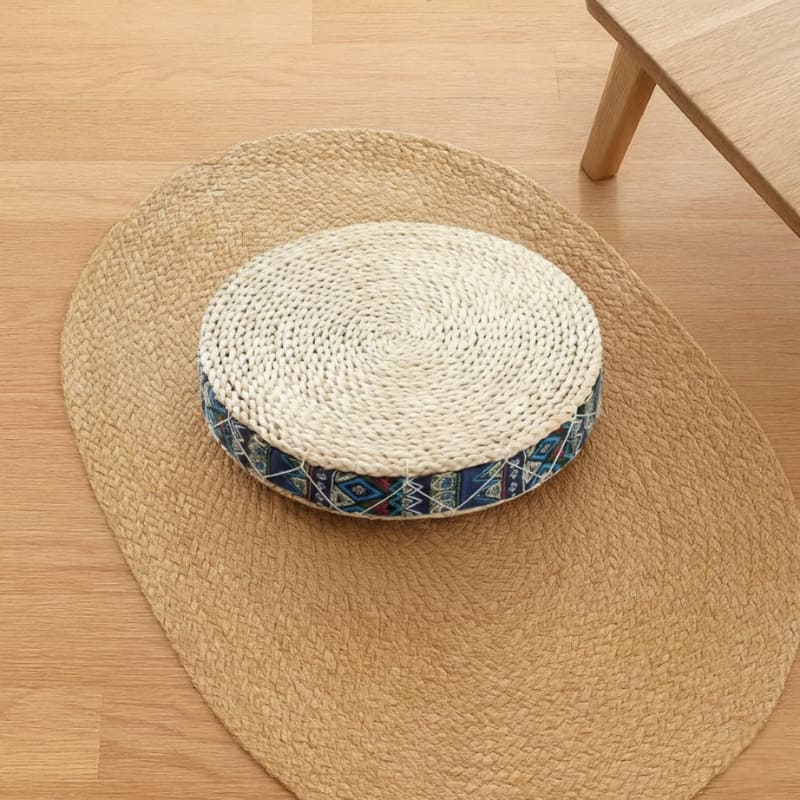
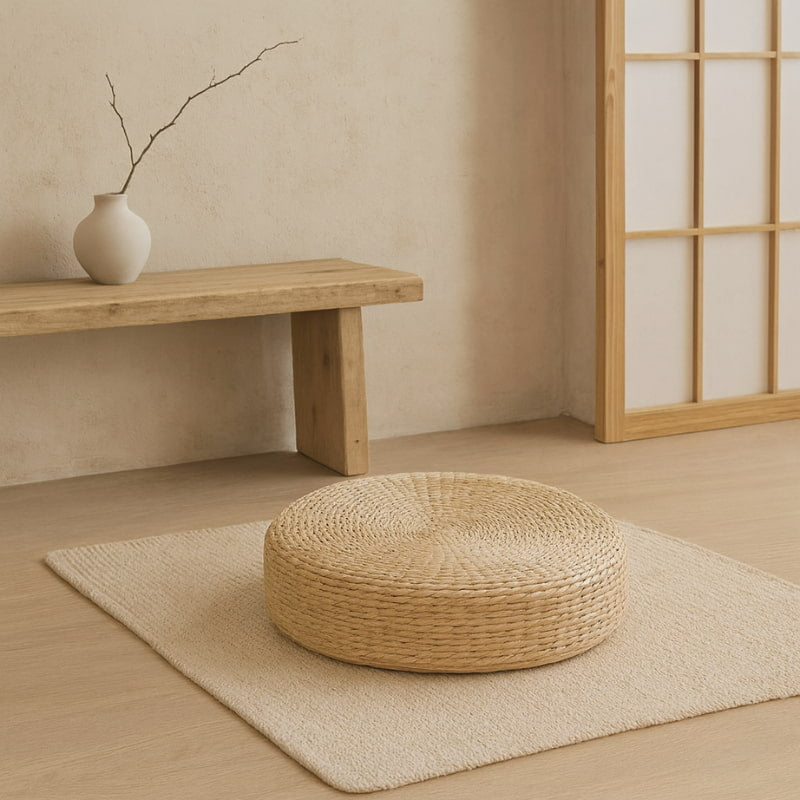
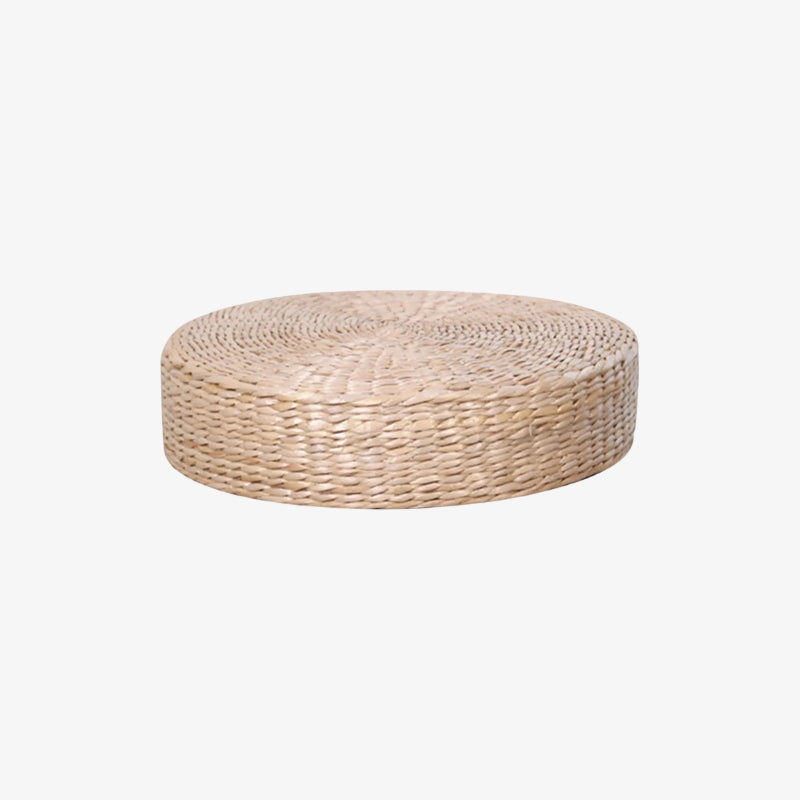
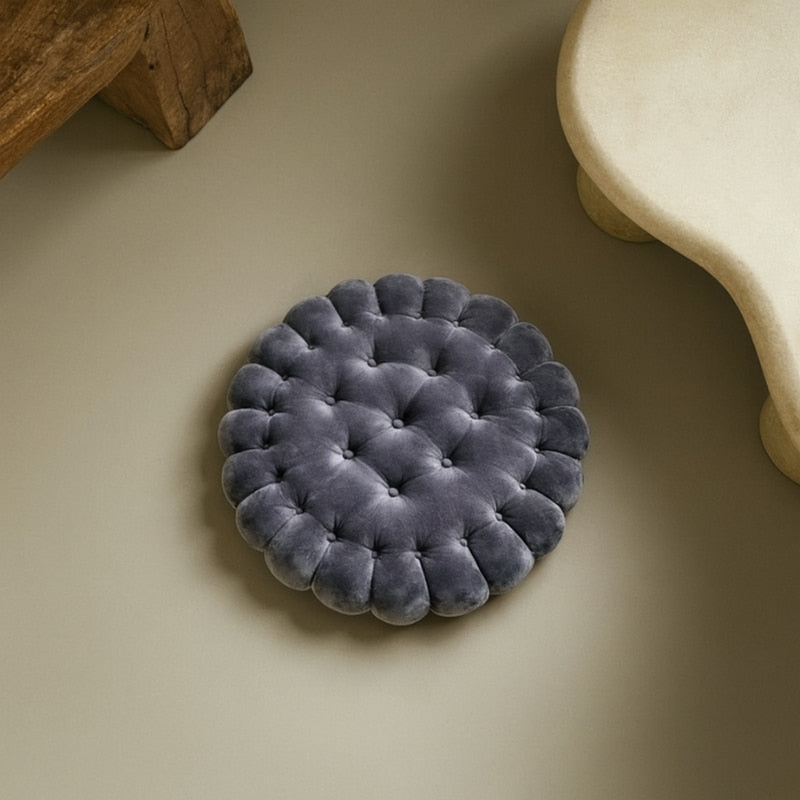
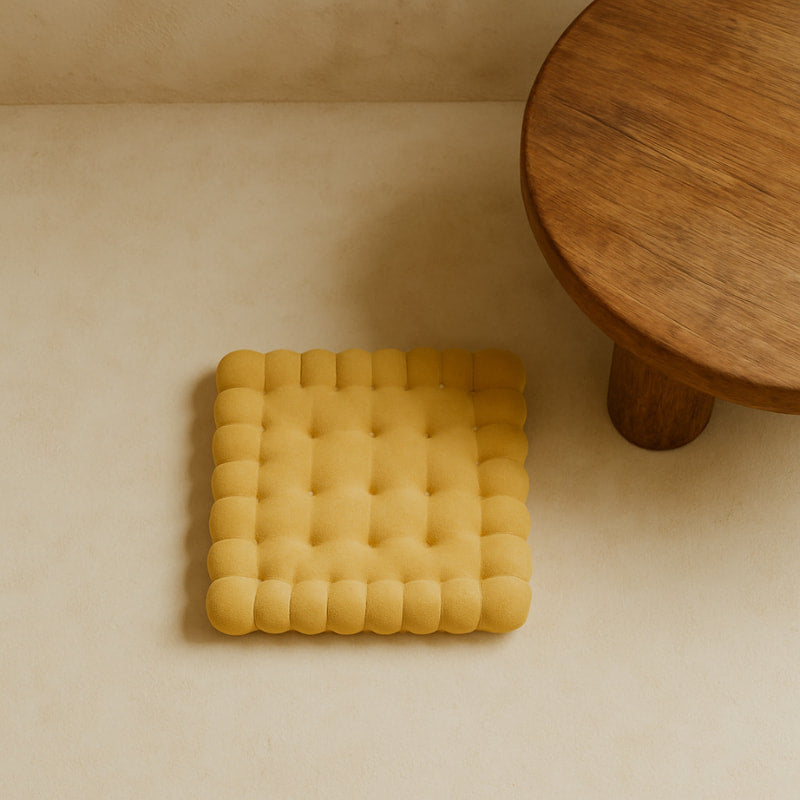
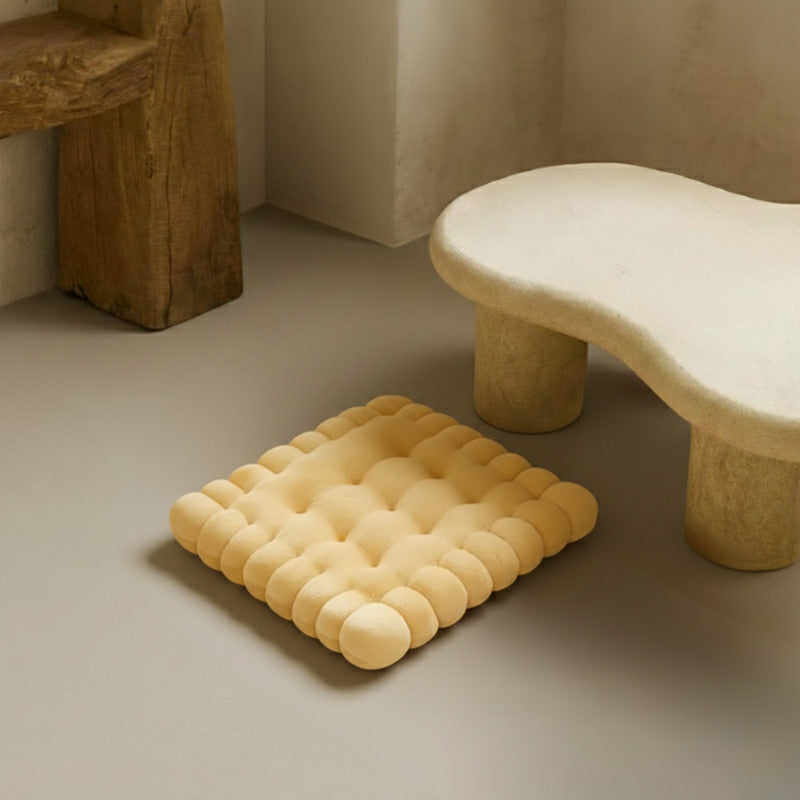
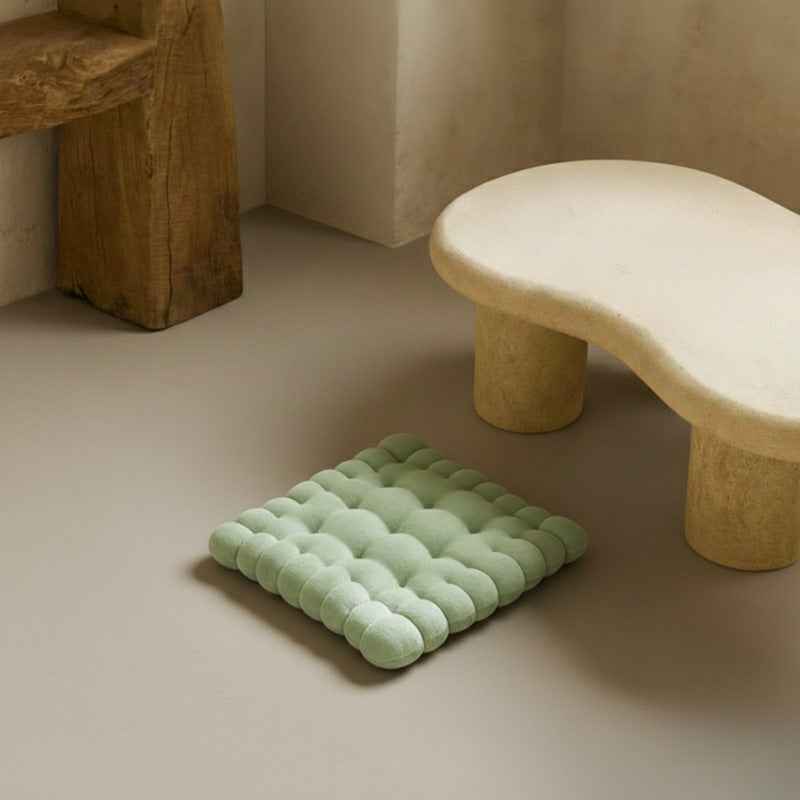
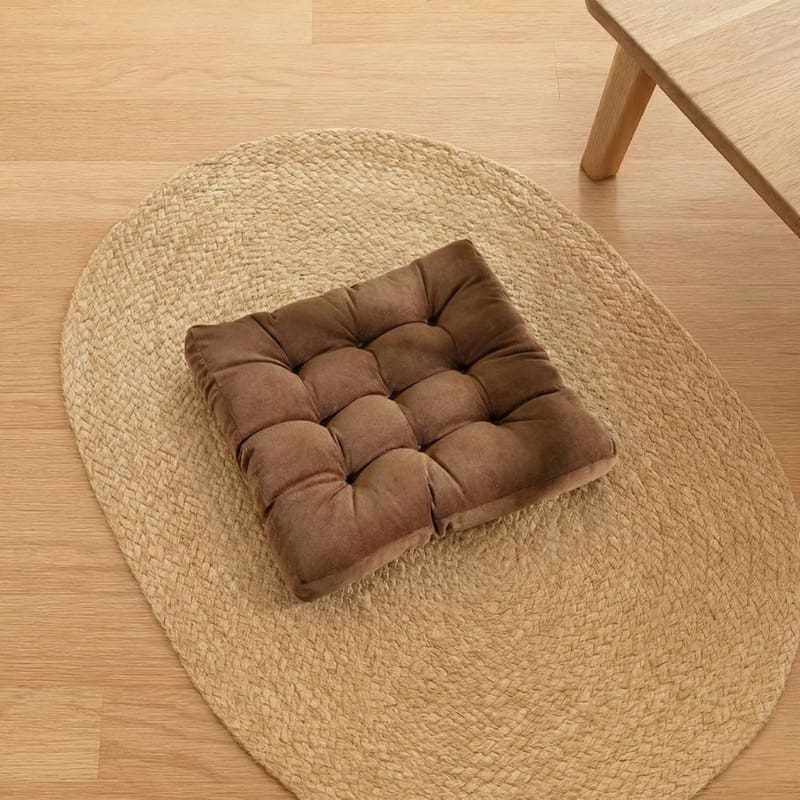
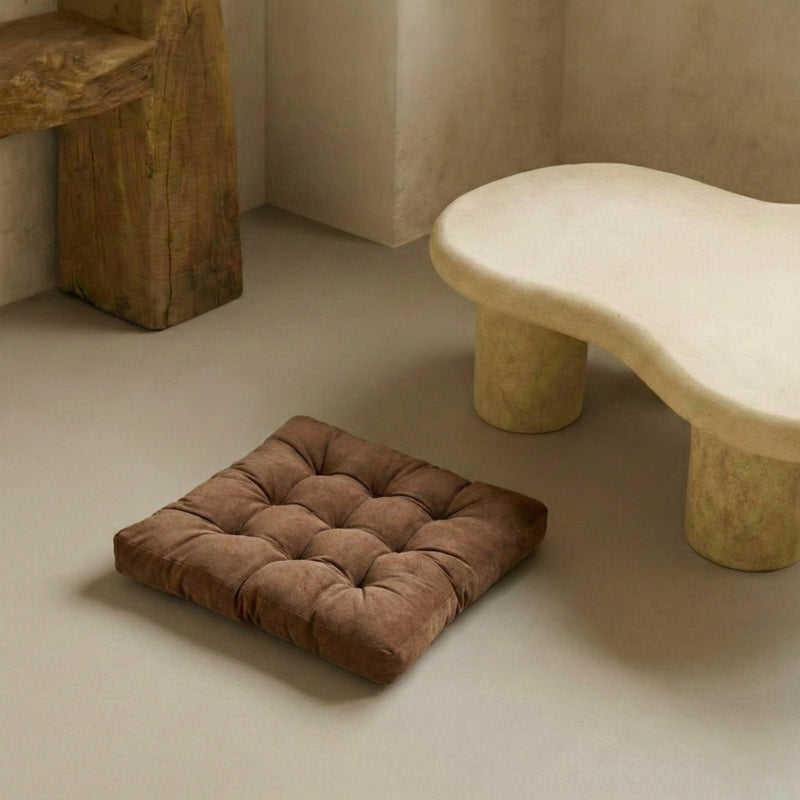
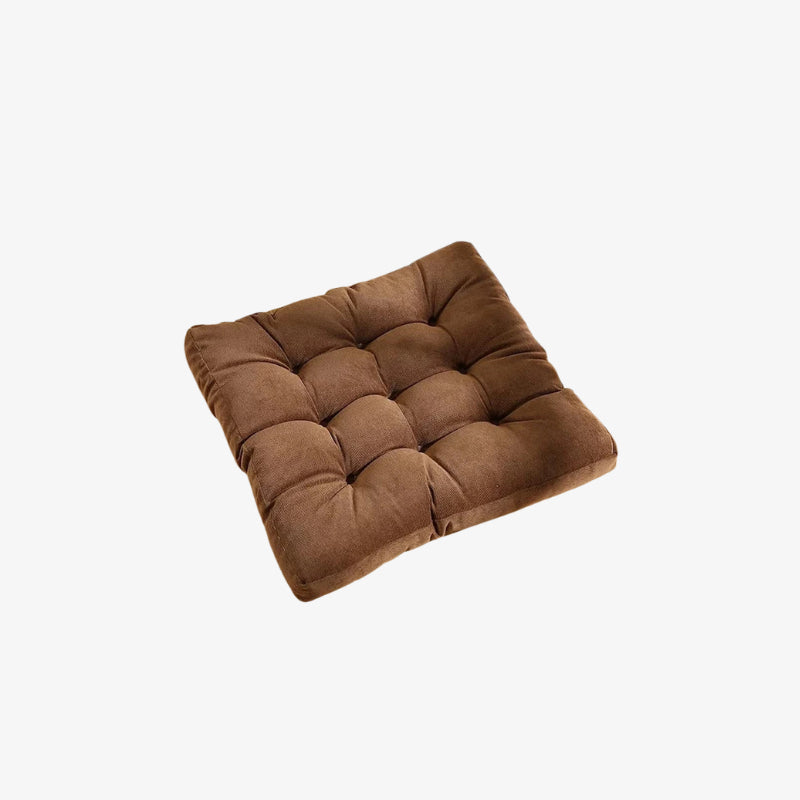
Floor Cushion design plays with thickness, stitching, and fabric texture to match different interiors. A slim, firm floor pillow cushion suits layered setups on tatami or woven rugs, while thicker cushions bring comfort directly onto wood or stone floors. Stitching patterns, tufting, and edge details can echo the geometry of shoji frames, tatami seams, or Wabi Sabi ceramics, so every element in the room feels connected without looking rigid.
Traditional Japanese seating culture inspires many of these designs. Low living areas often rely on japanese floor cushions similar to zabuton, which support the knees and ankles during kneeling or cross legged sitting. When these shapes enter modern interiors, they still respect the same proportions that work well with low tables, futons, and tatami mats. The result stays practical for everyday life while carrying a clear link to Japanese tradition.
Patterns and colors also shape the mood of the space. Neutral palettes with sand, stone, and charcoal tones keep a calm Wabi Sabi feeling, while indigo, rust, or muted green accents bring depth. A stack of floor cushions japanese in a single color family can sit near a wall or in an alcove, ready to move into the center of the room when guests arrive. The cushions then act as both decor and seating, shifting between display and use as needed.
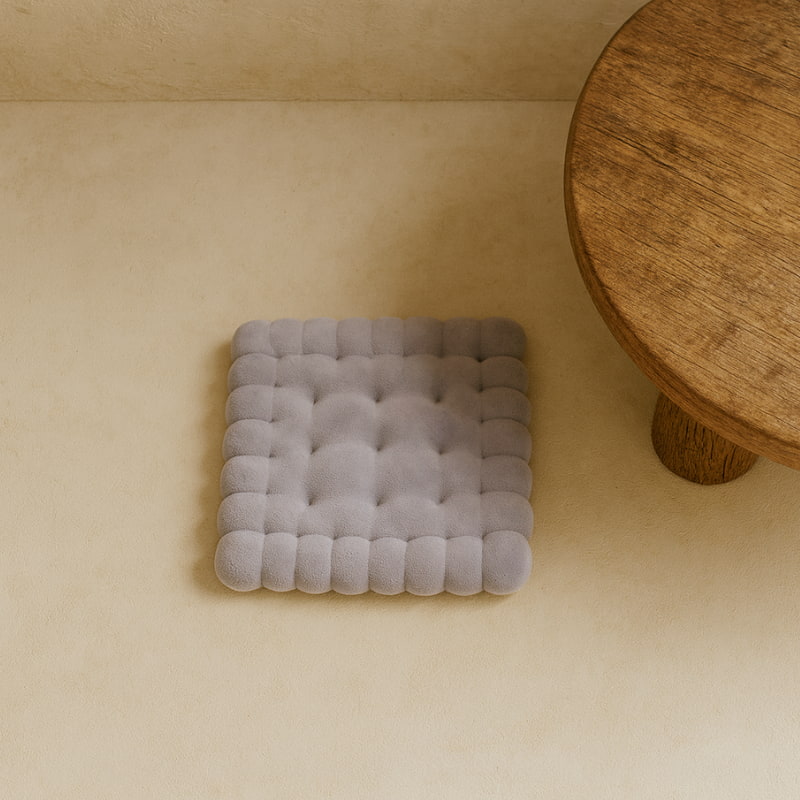
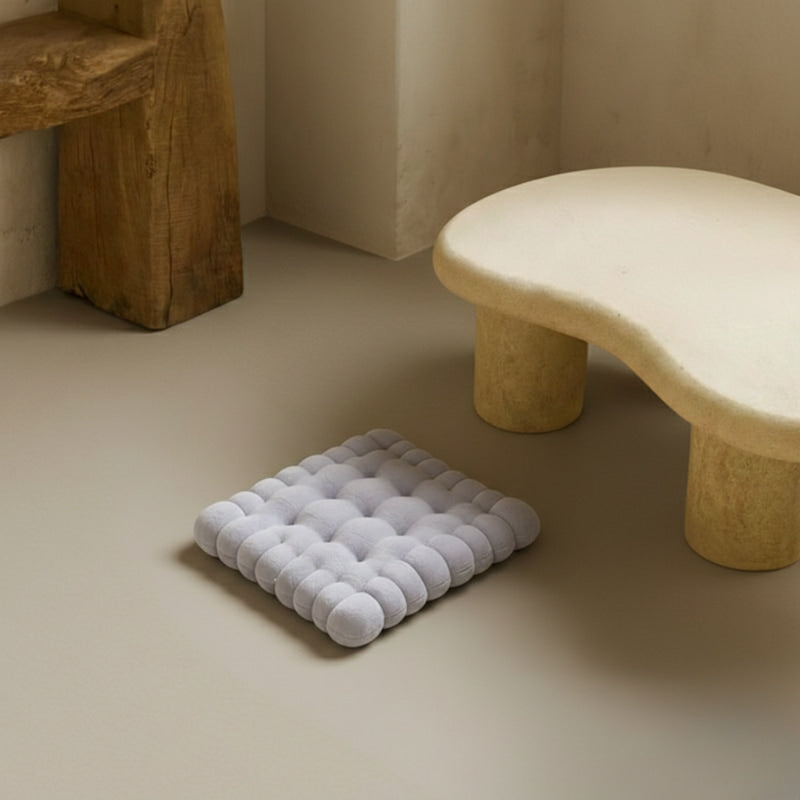
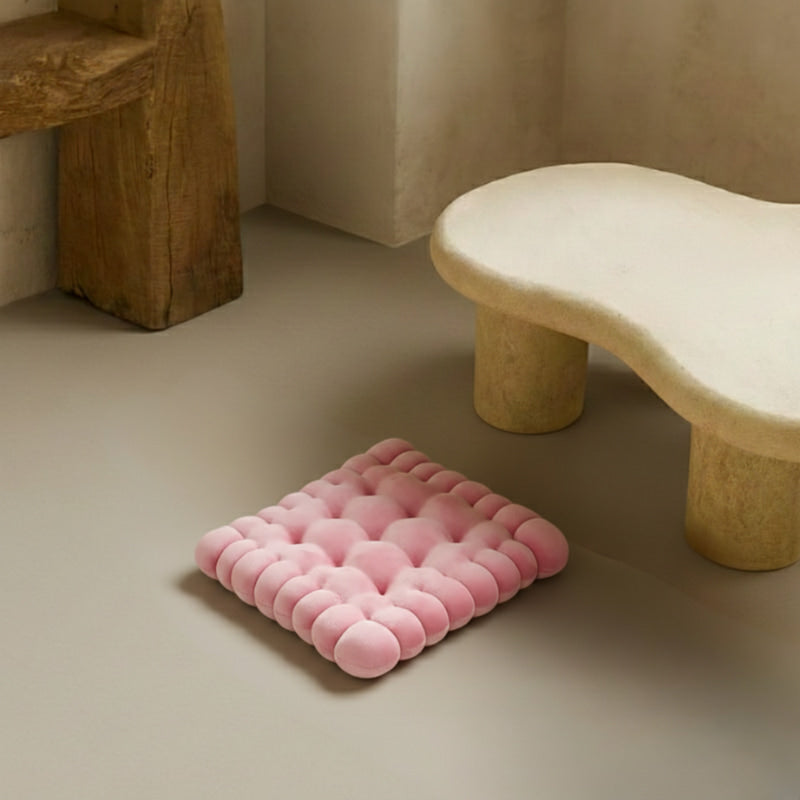
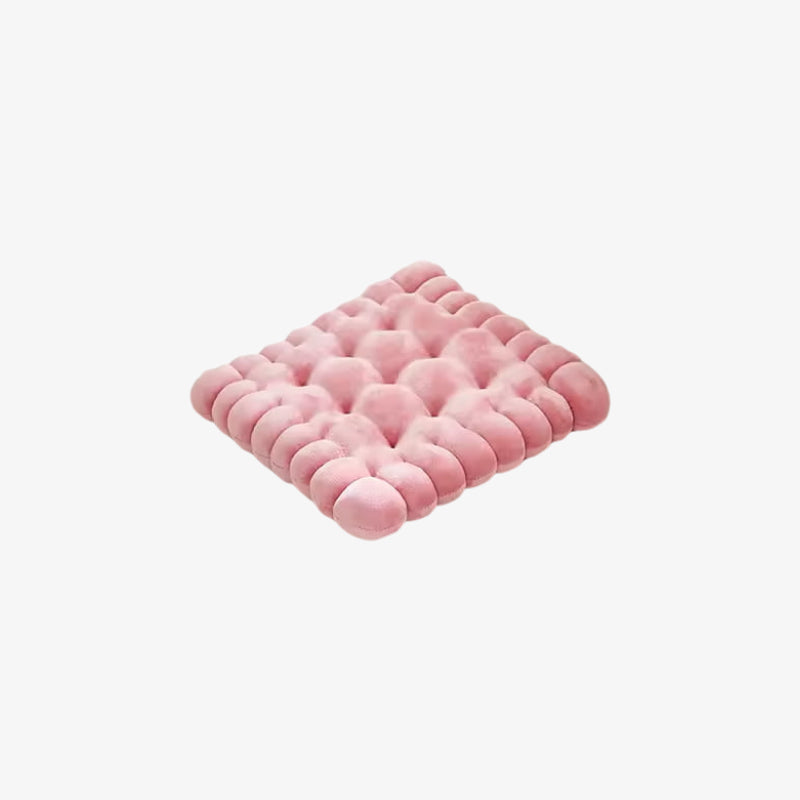
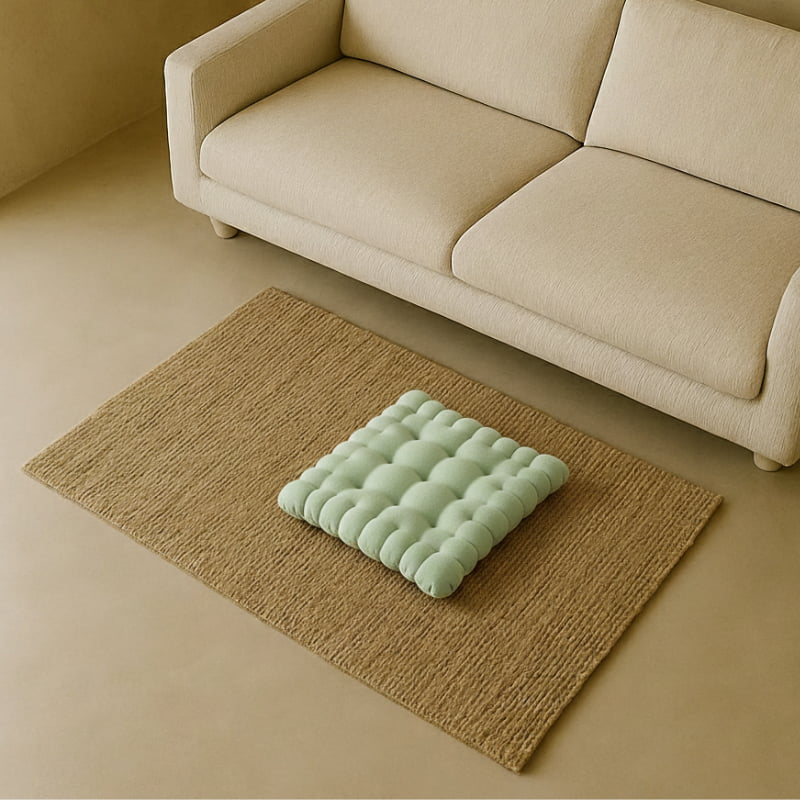
Shape choices influence how the room feels. Rectangular cushions line up neatly along walls or under low shelving, while a single japanese cushion floor in a square format anchors a meditation spot or reading corner. Designers sometimes mix shapes within the same palette to keep the interior from feeling too strict. This interplay between order and slight irregularity suits Wabi Sabi homes where balance matters more than perfect symmetry.
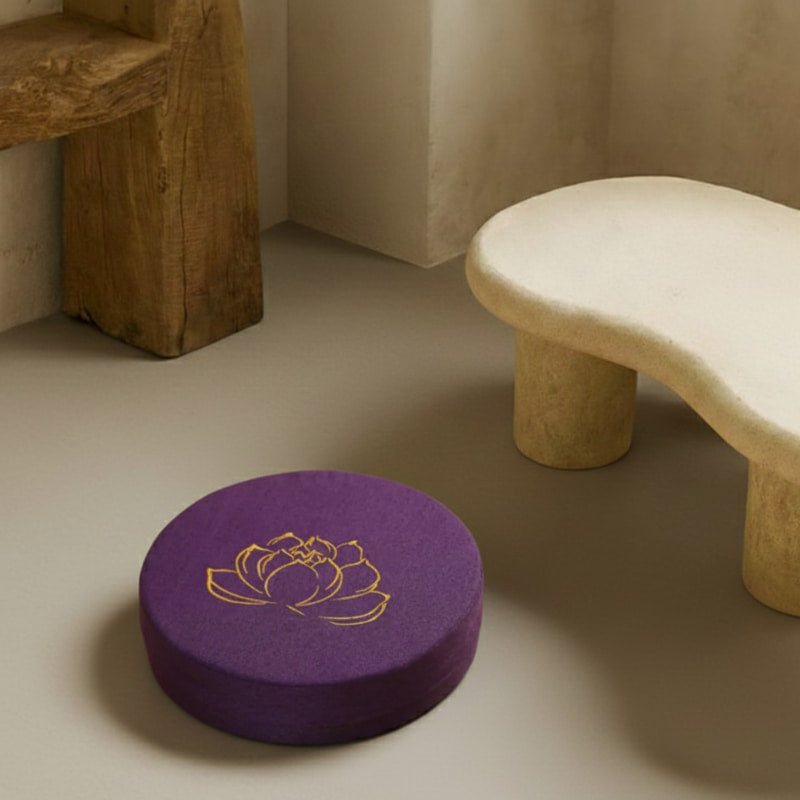
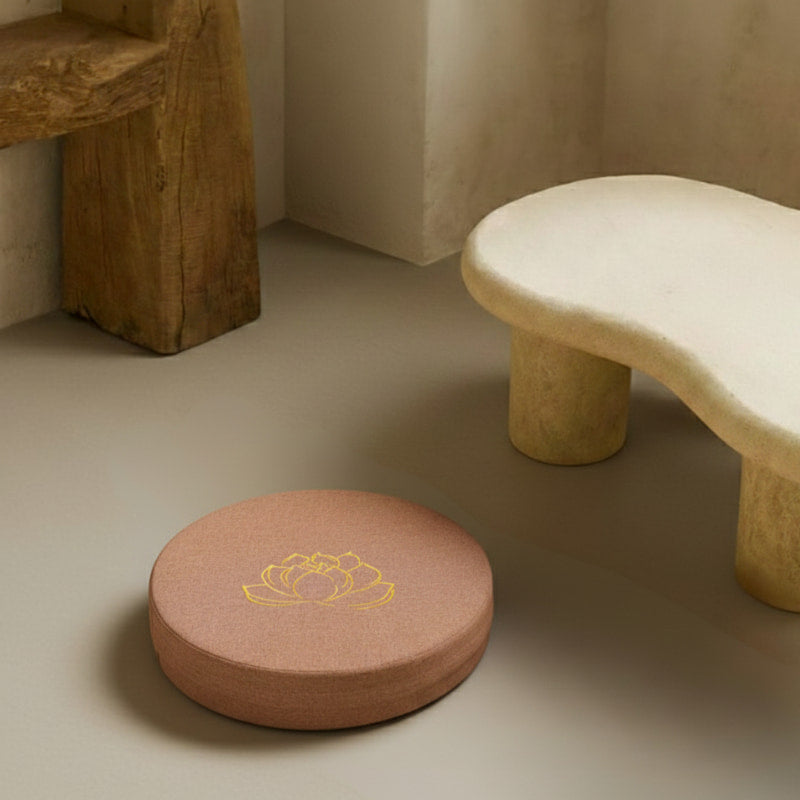
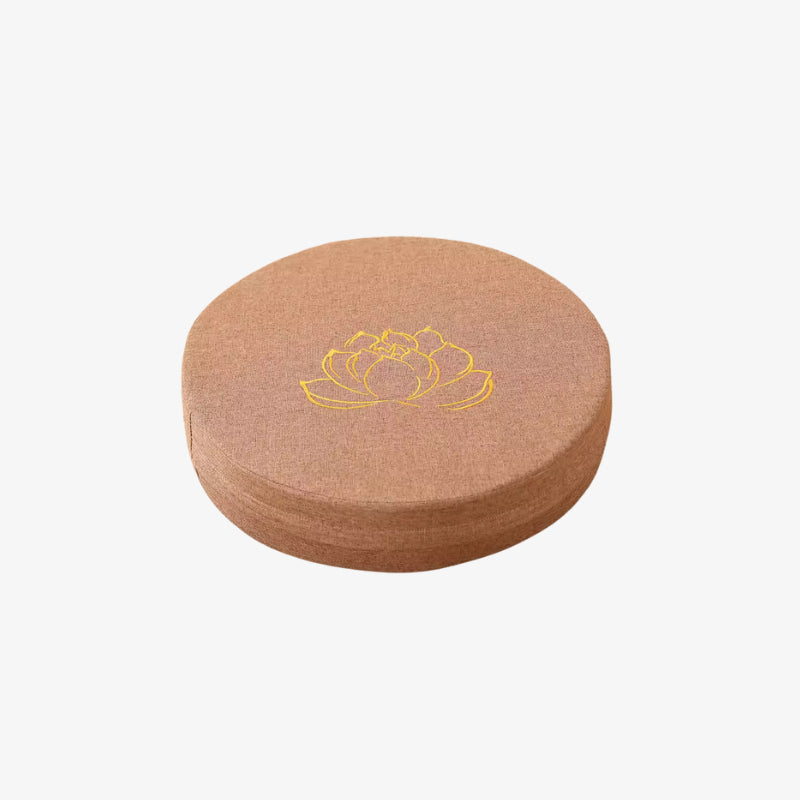
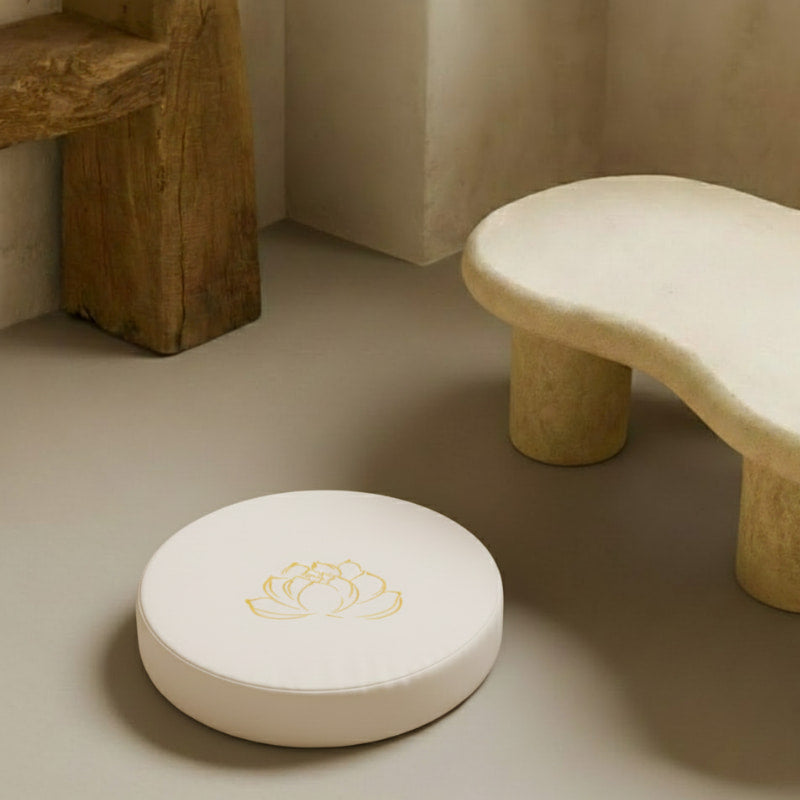
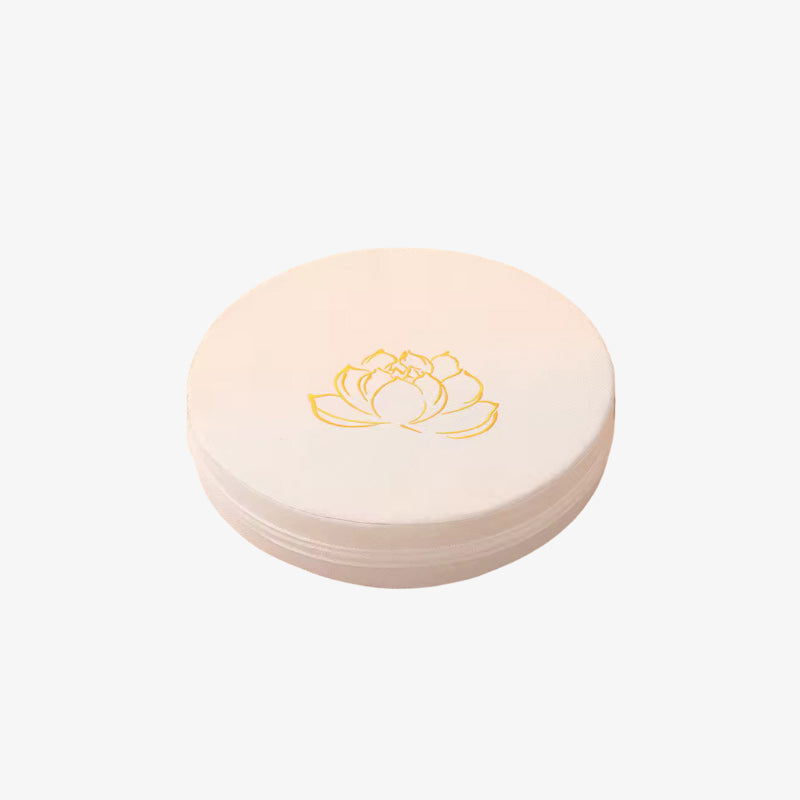
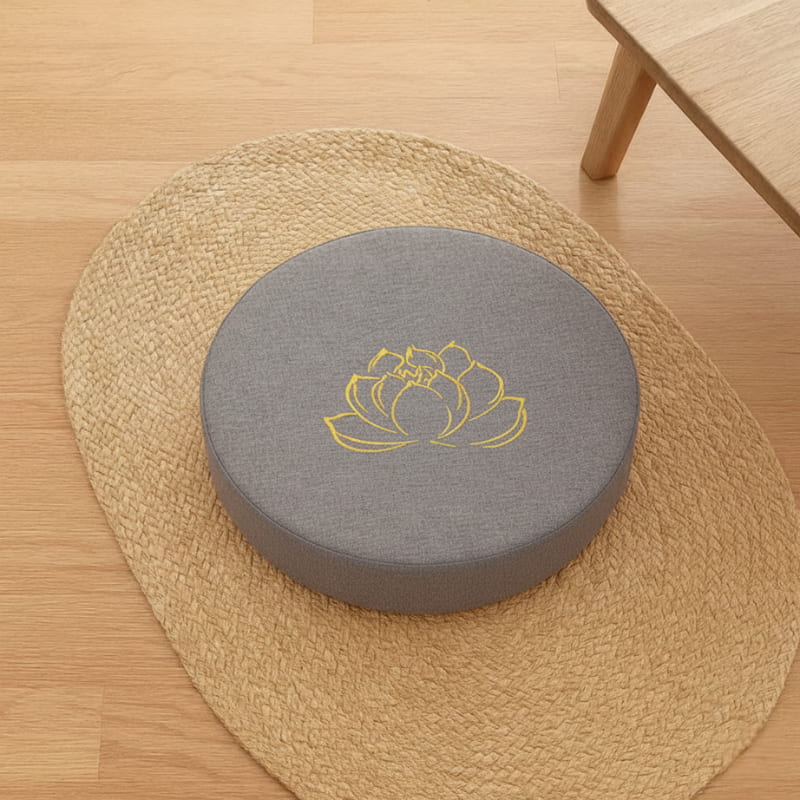
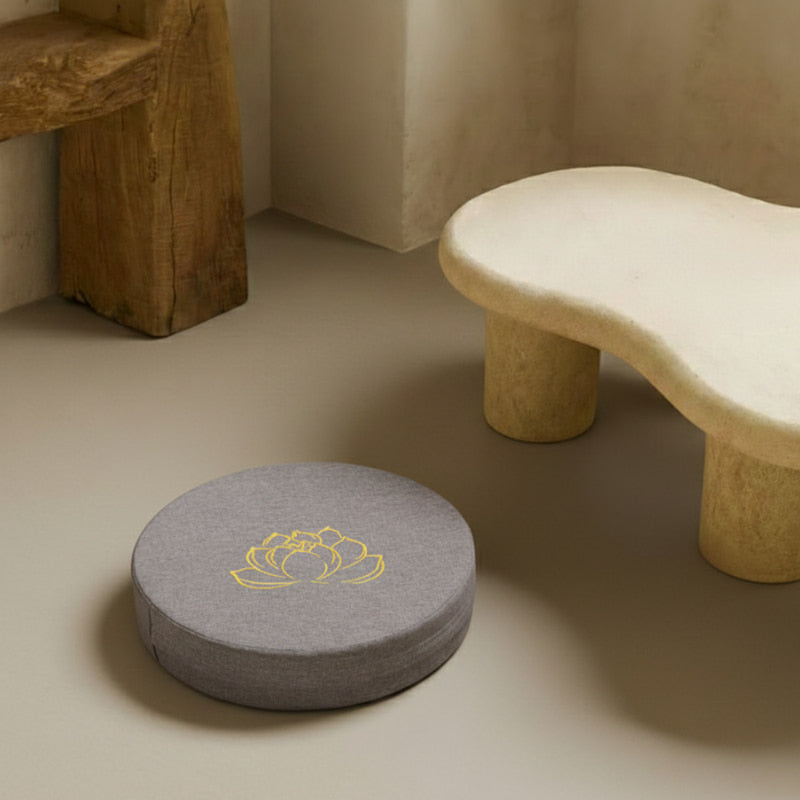
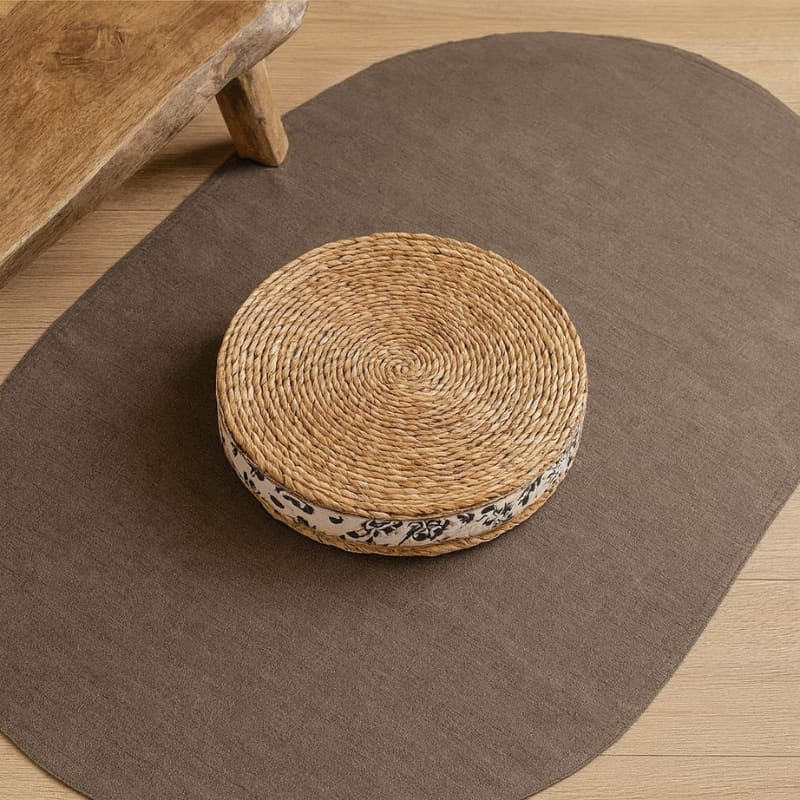
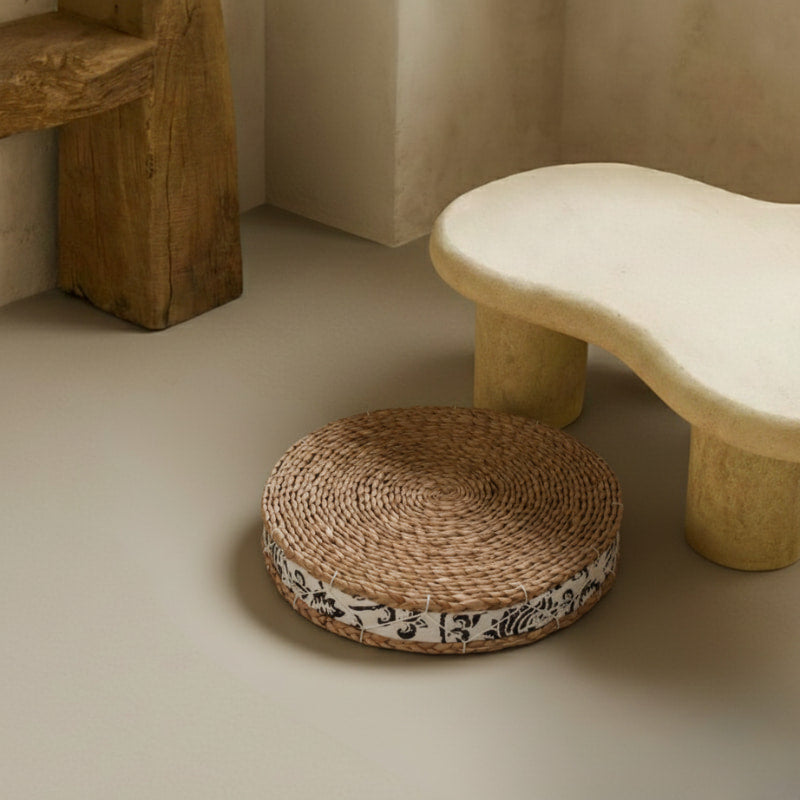
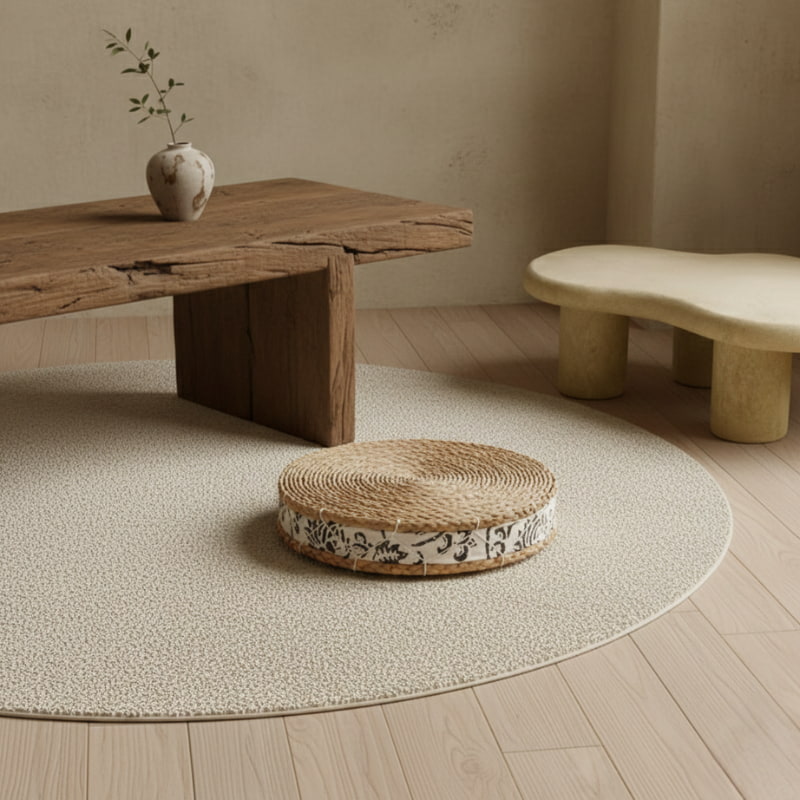
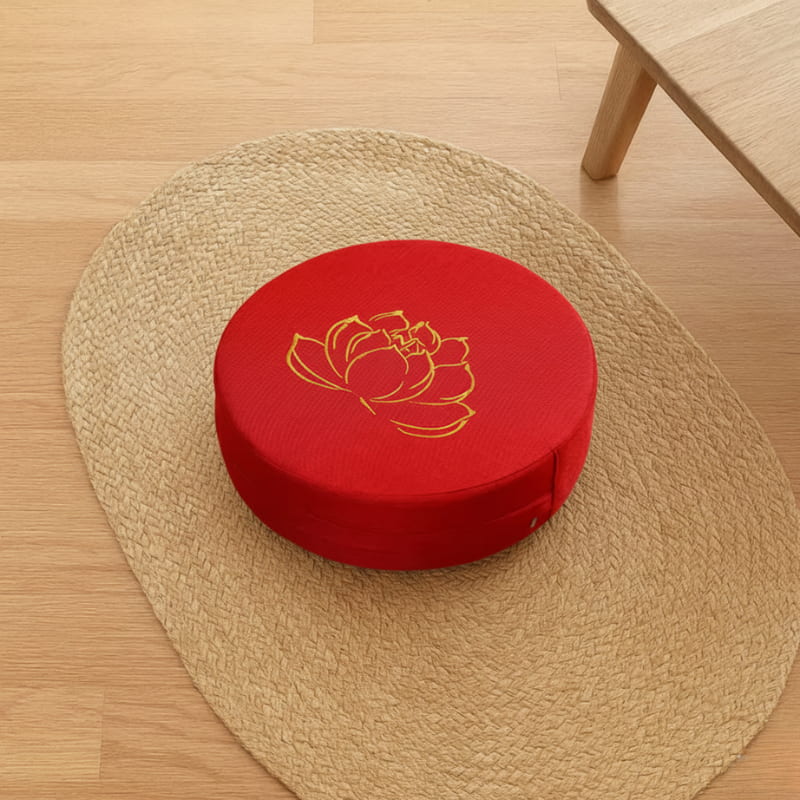
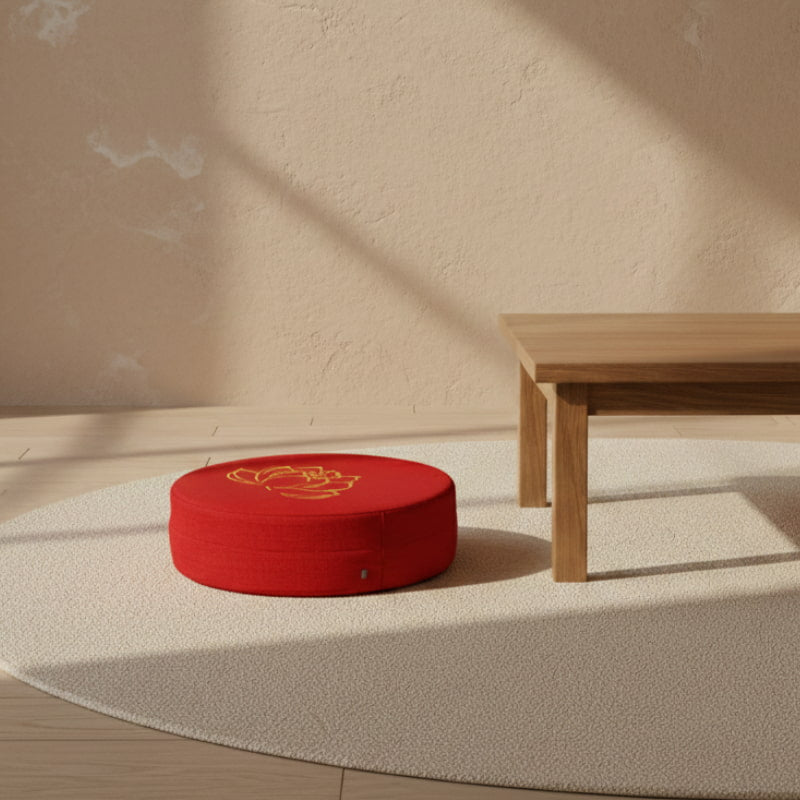
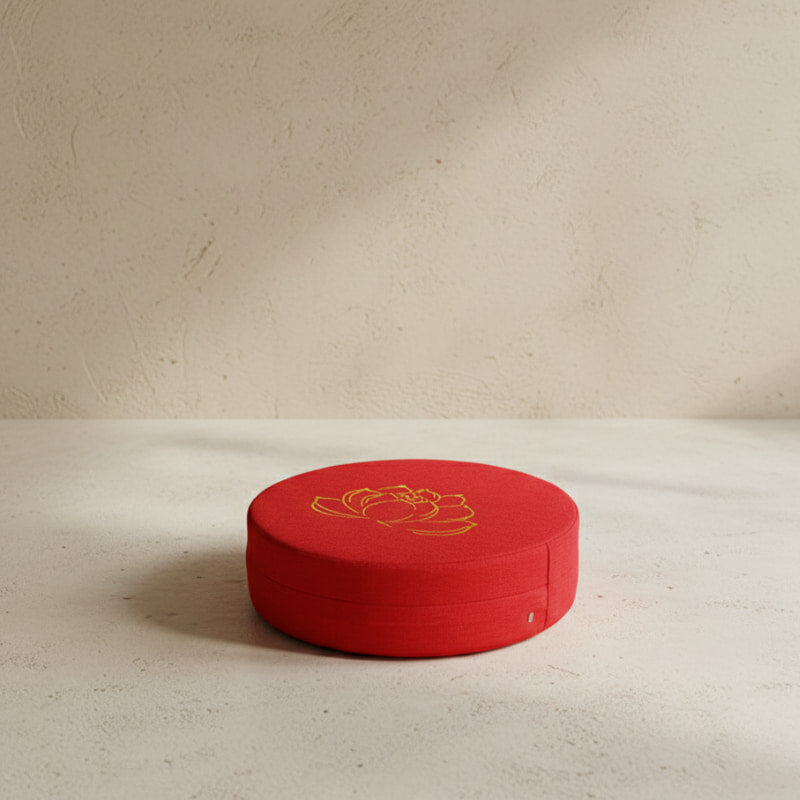
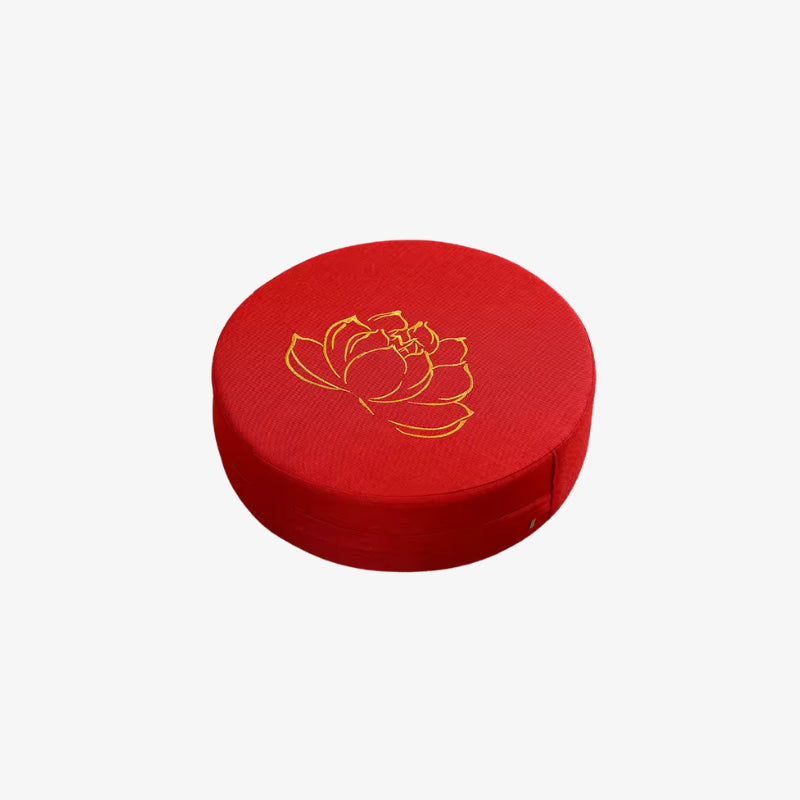
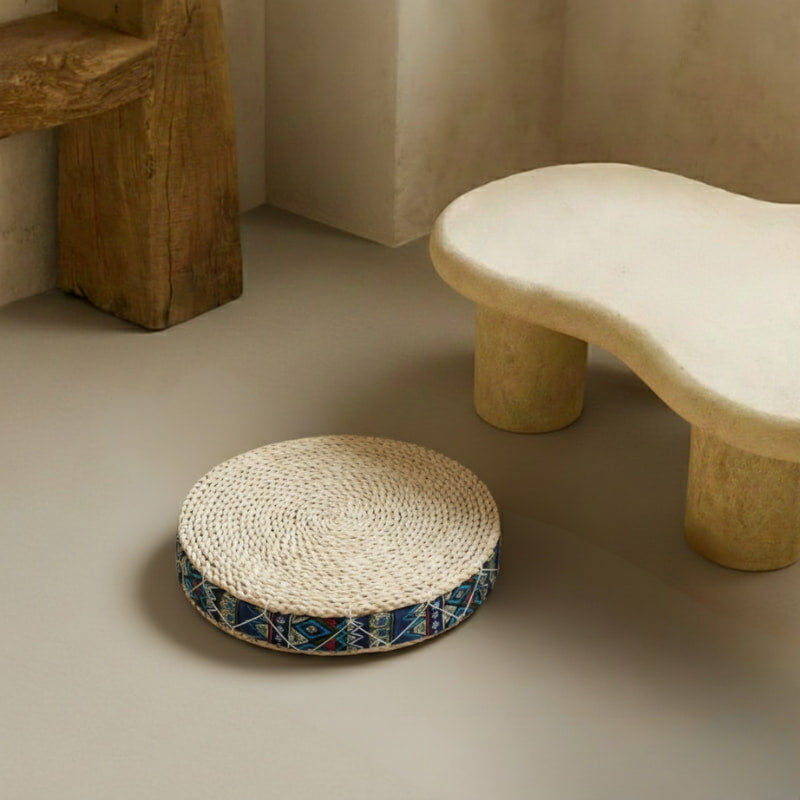
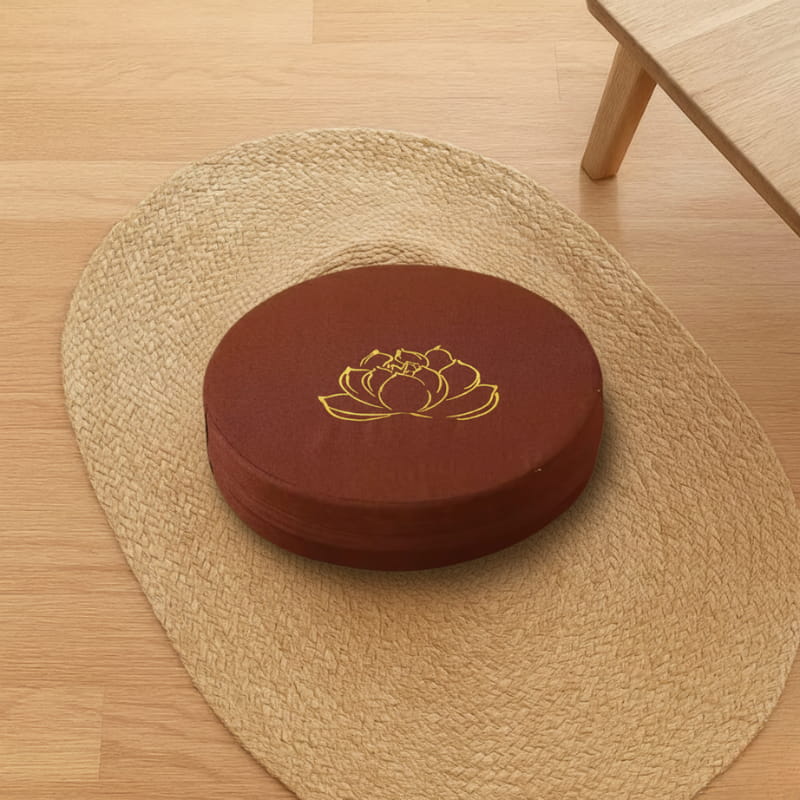
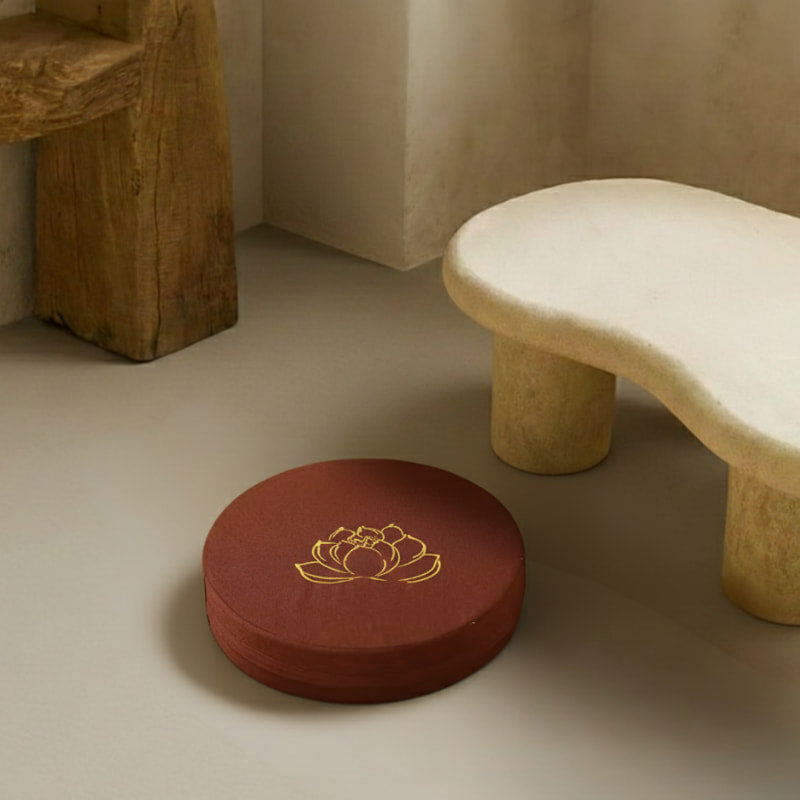
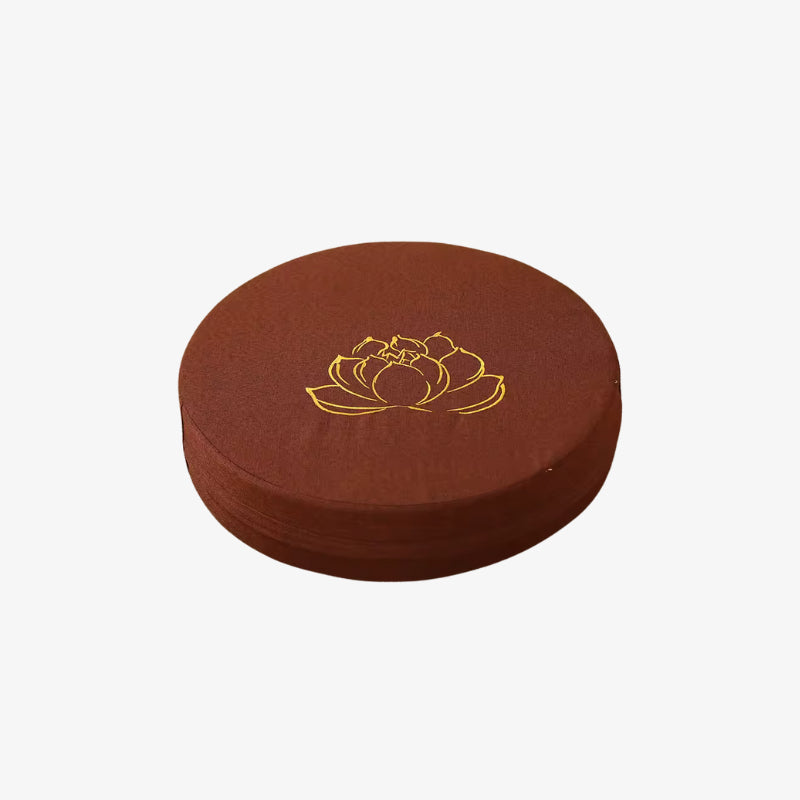
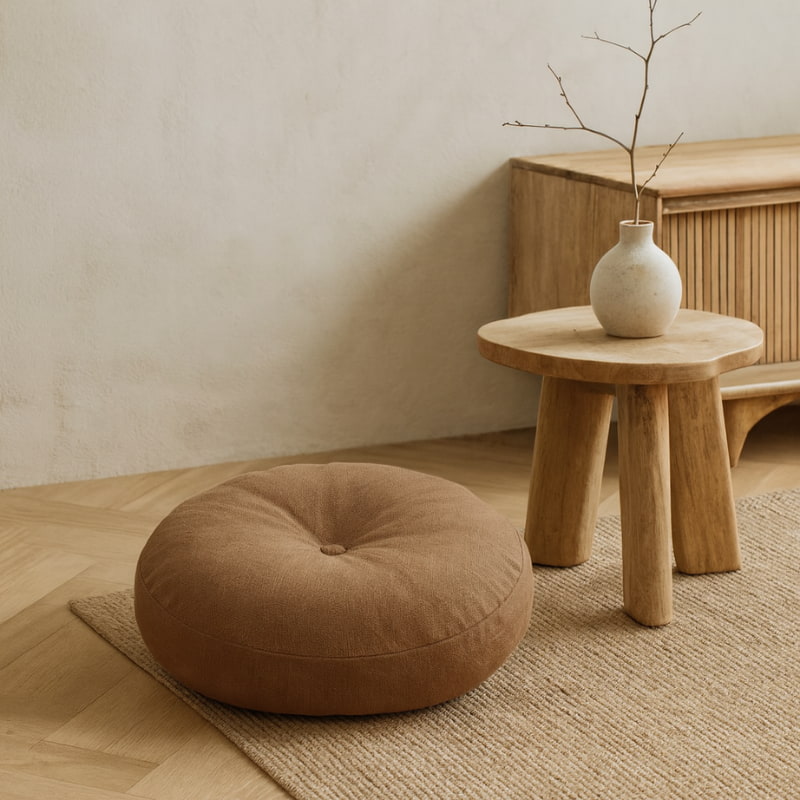
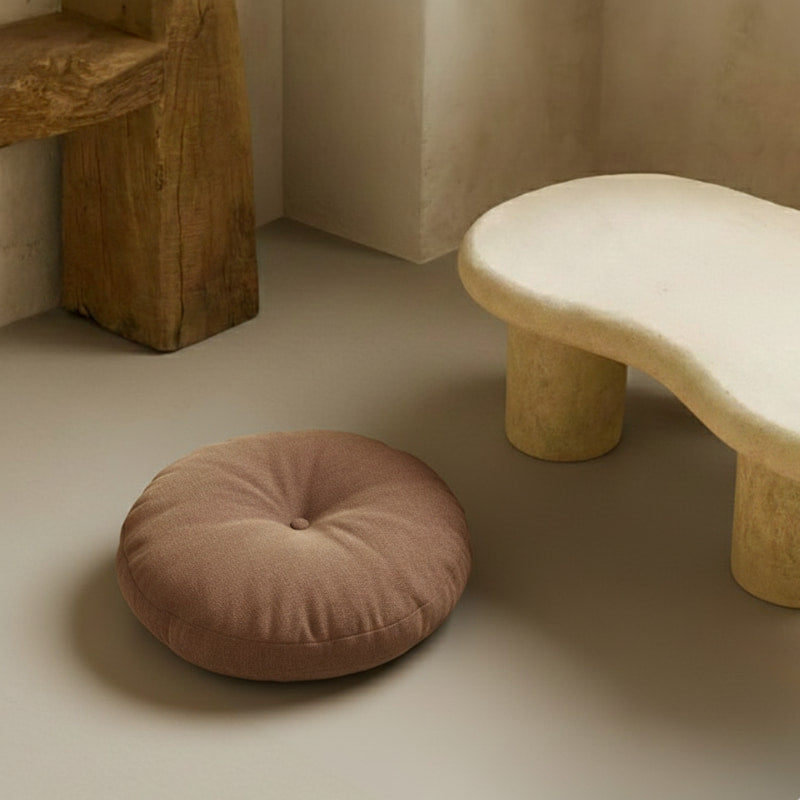
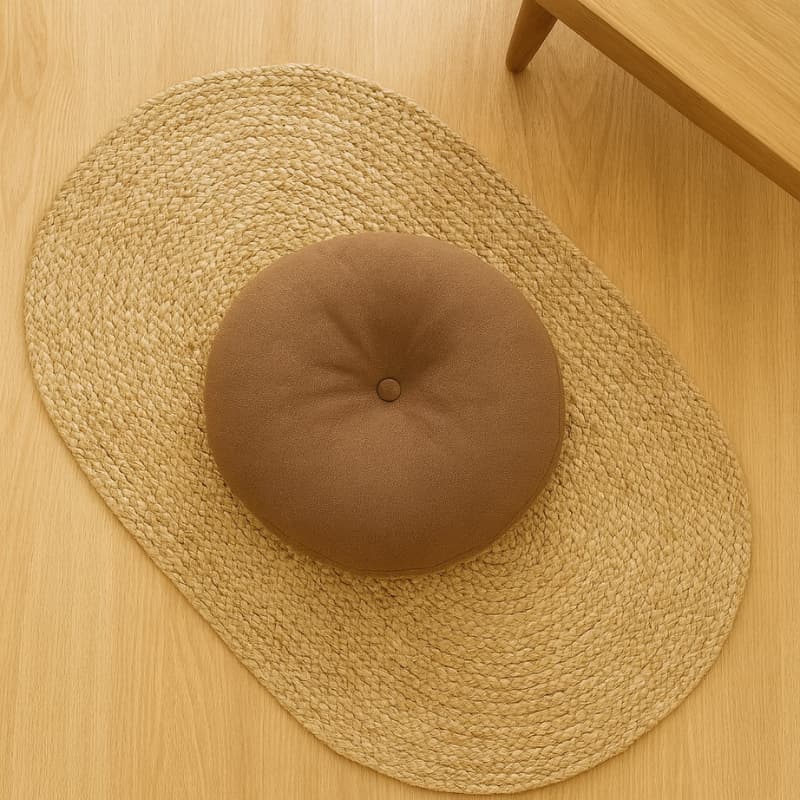
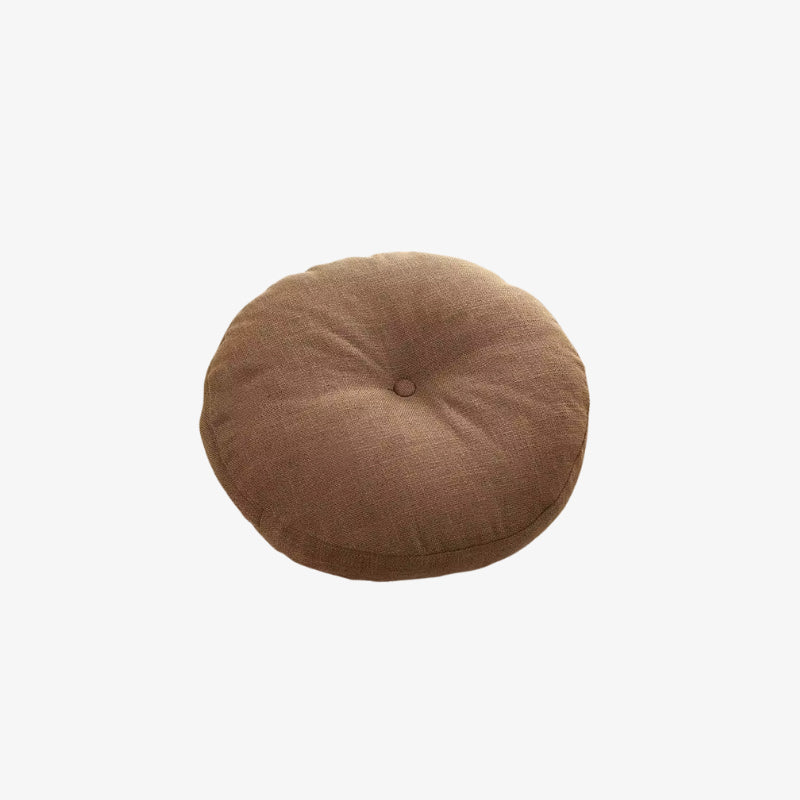
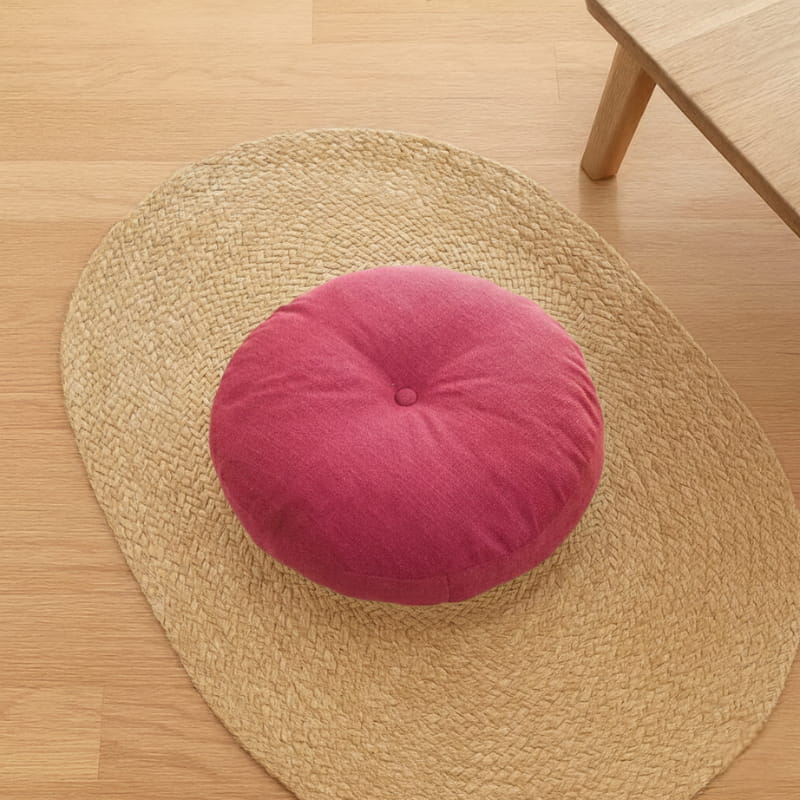
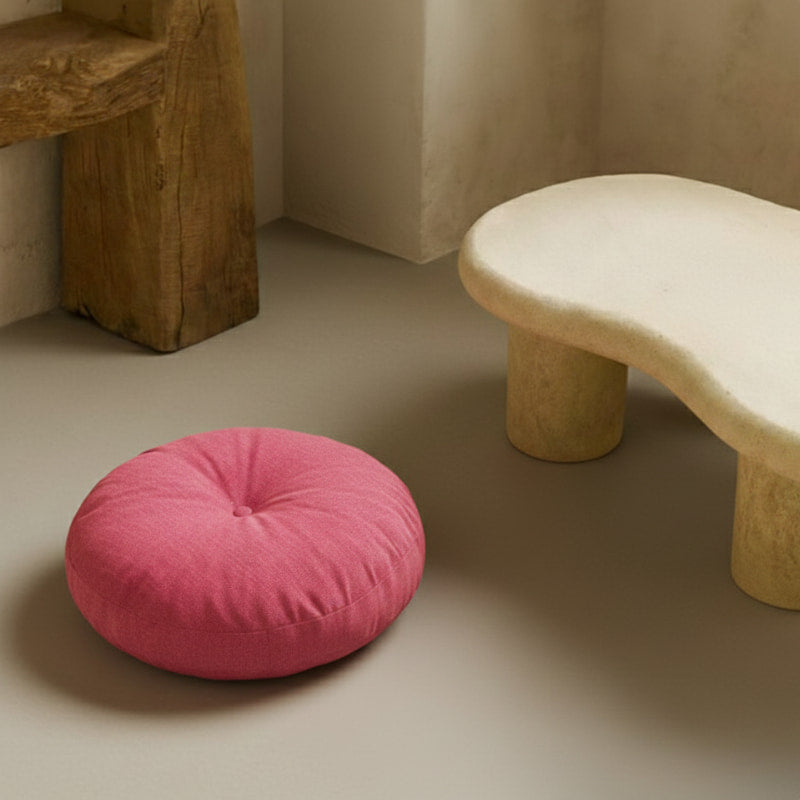
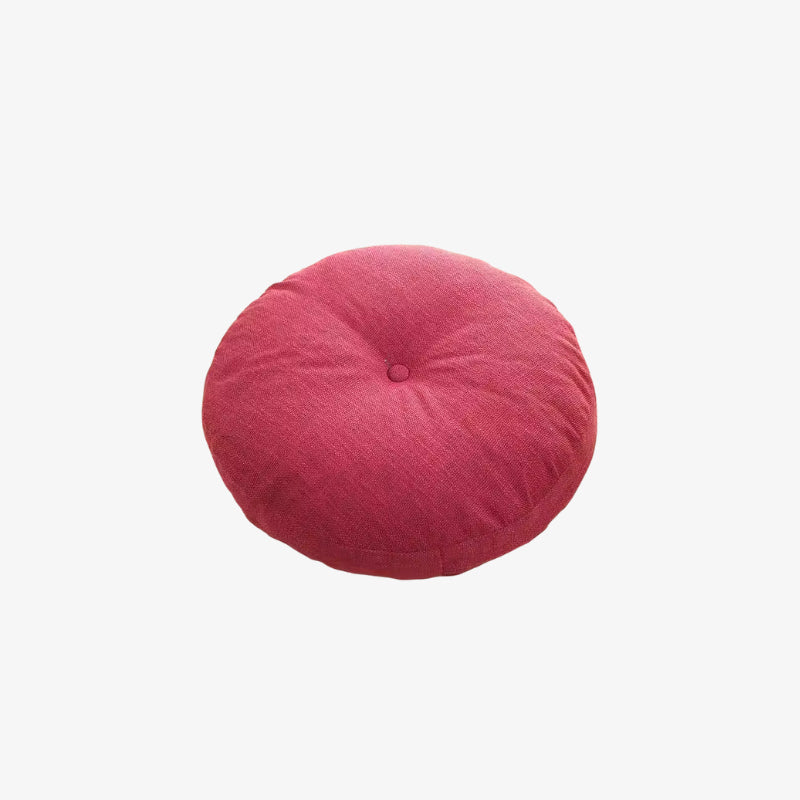
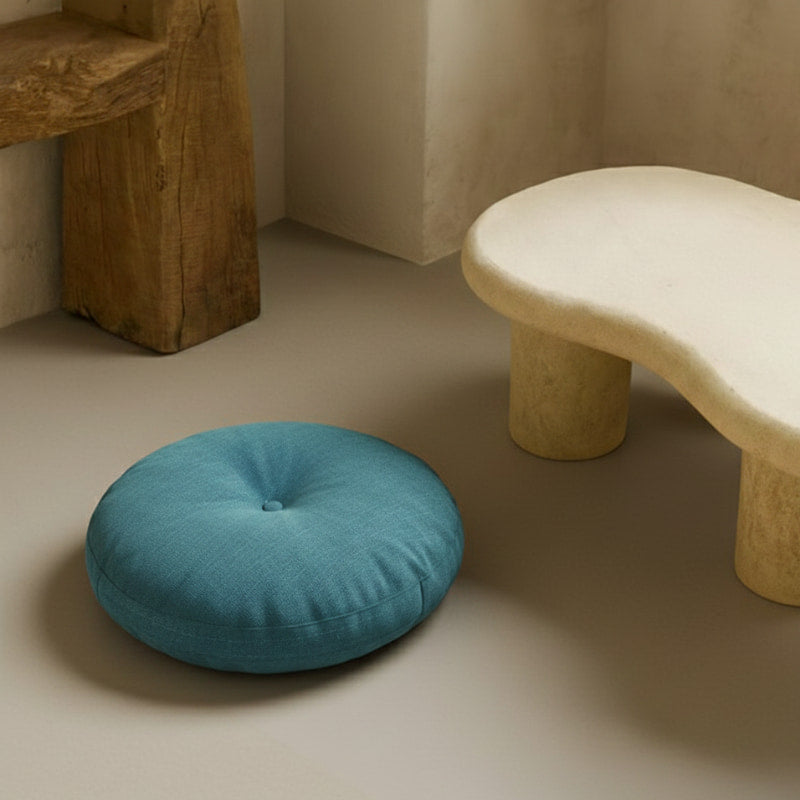
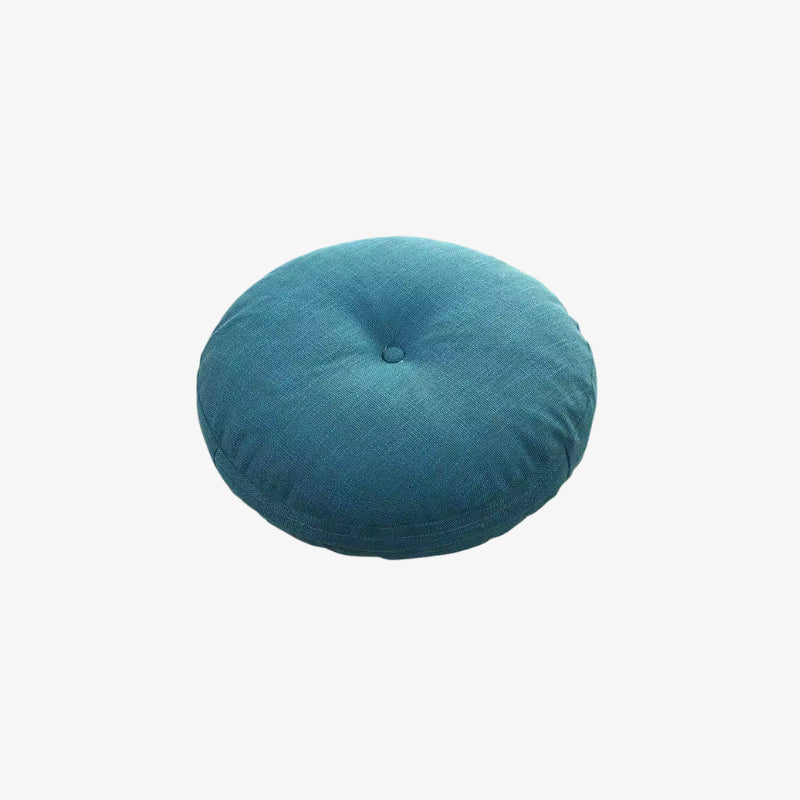
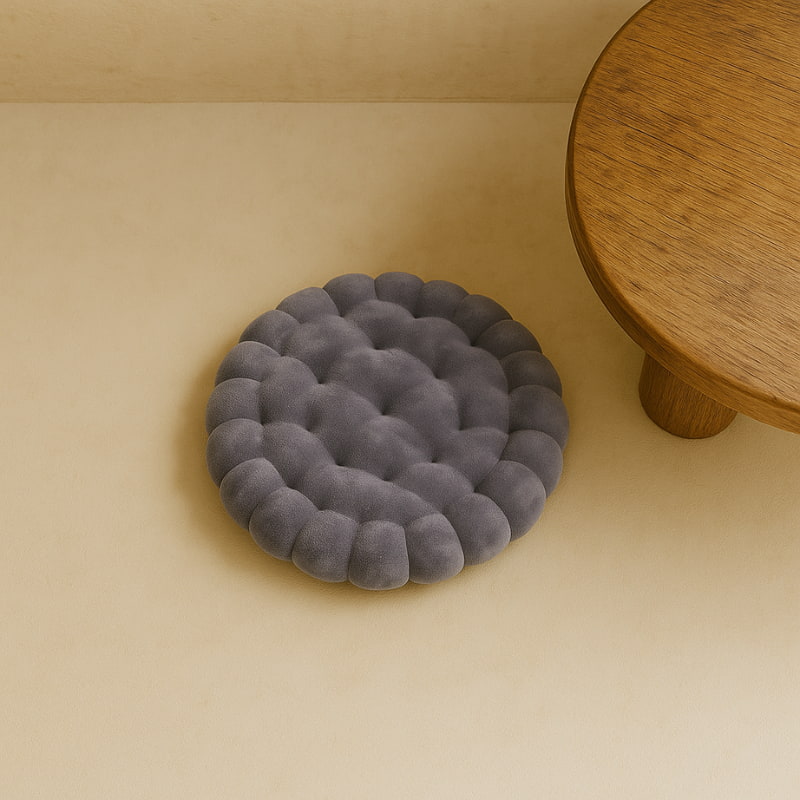
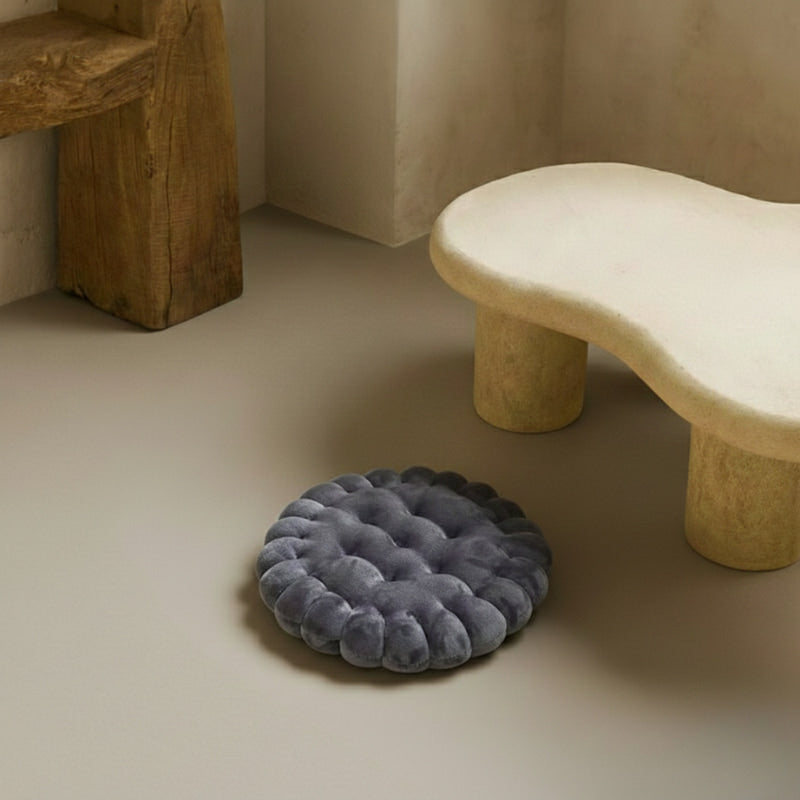
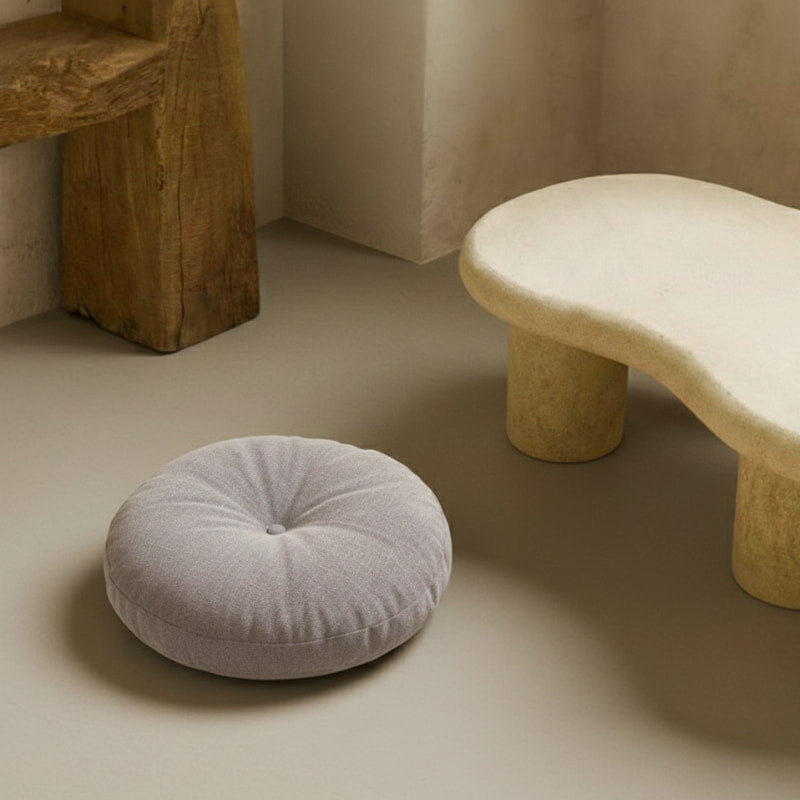
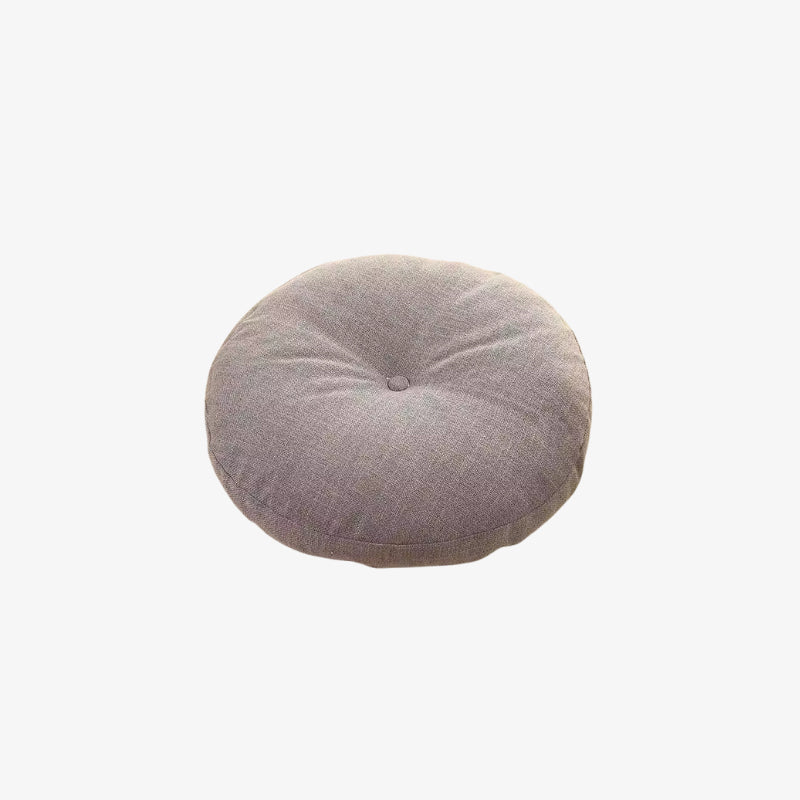
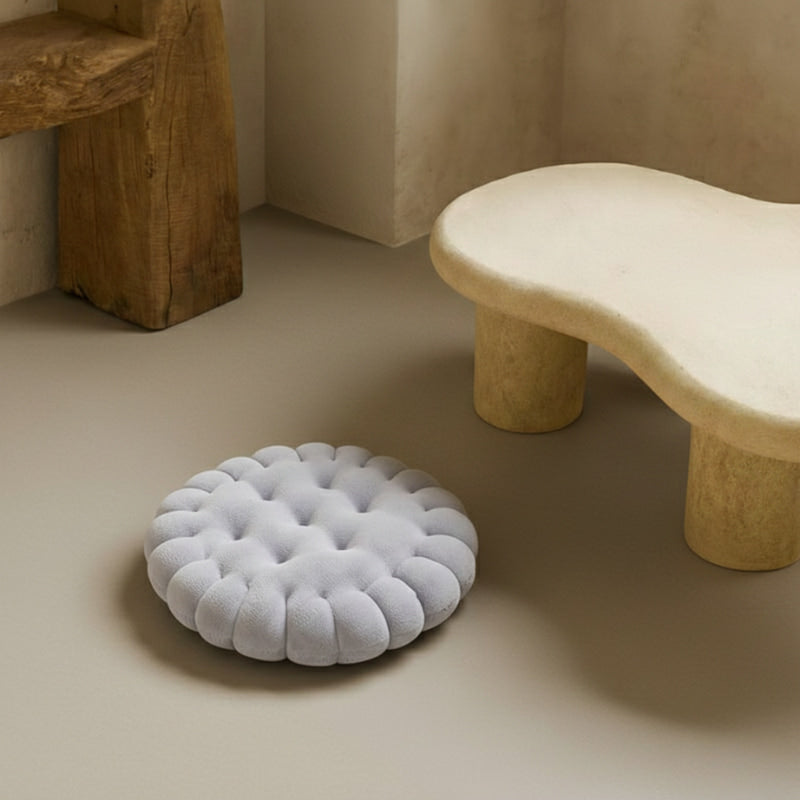
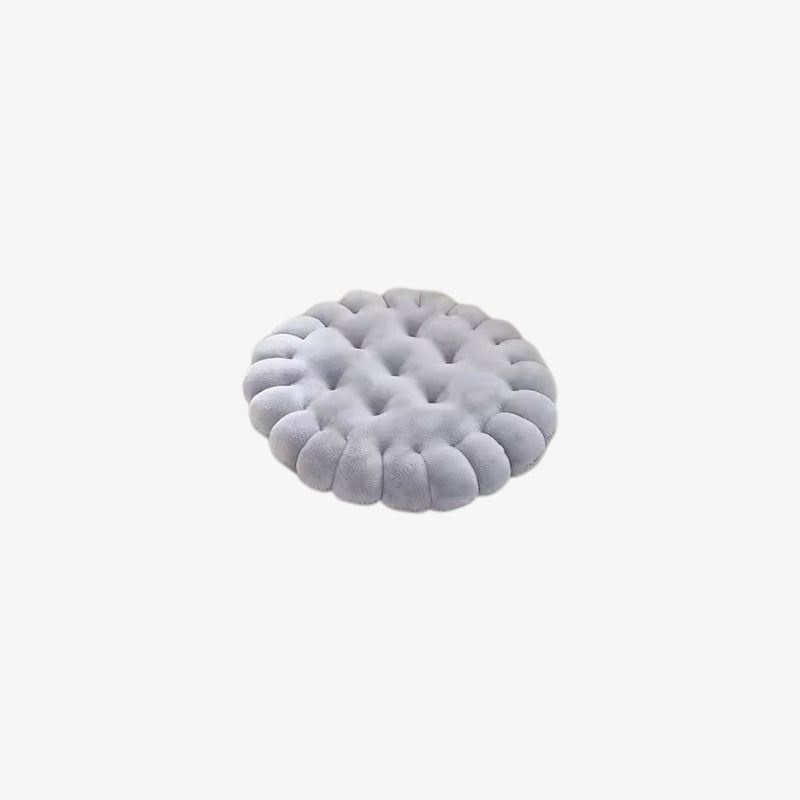
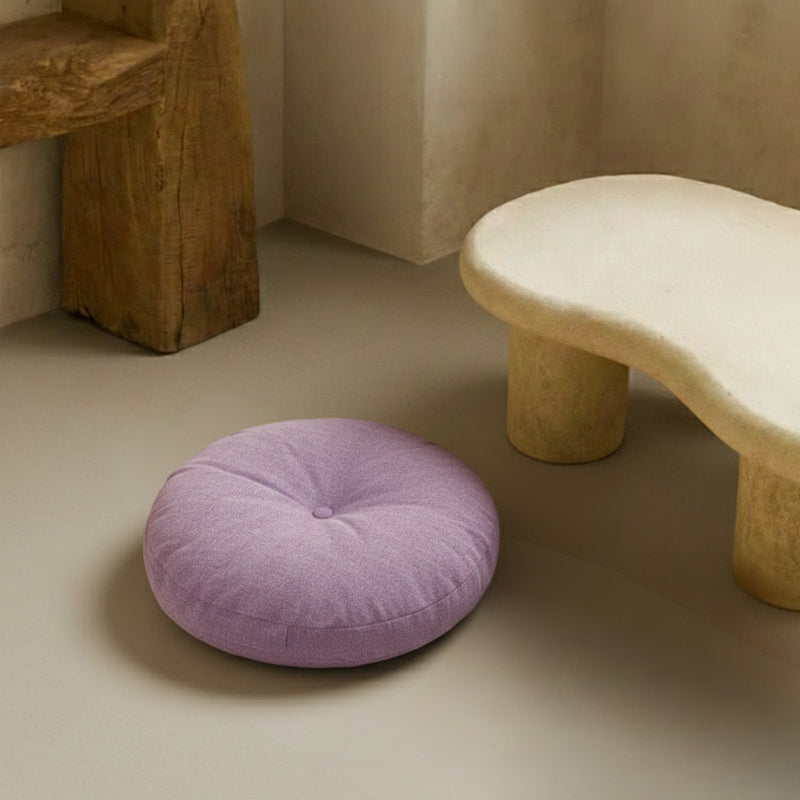
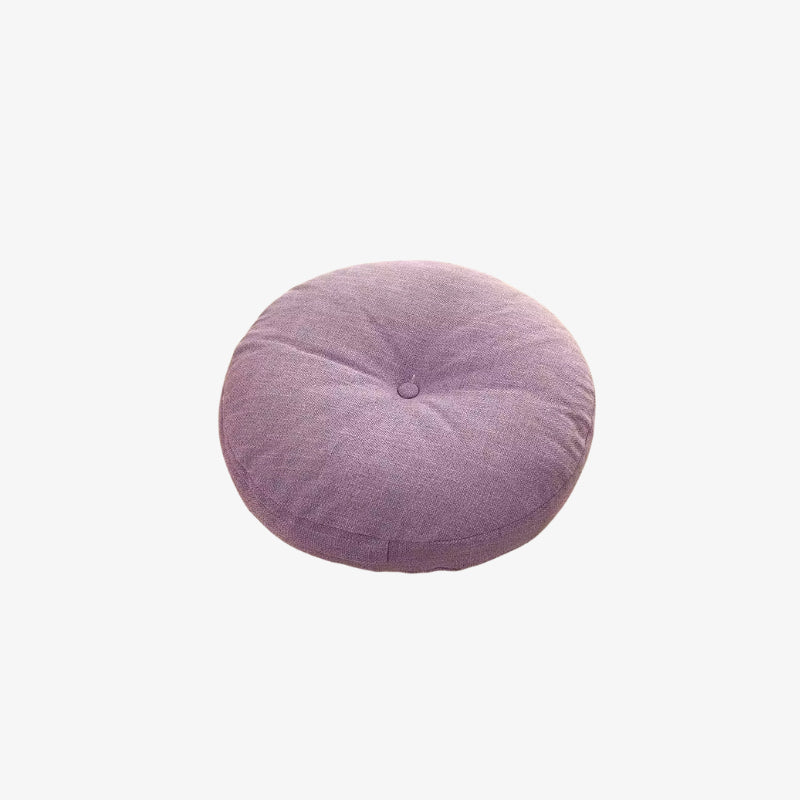
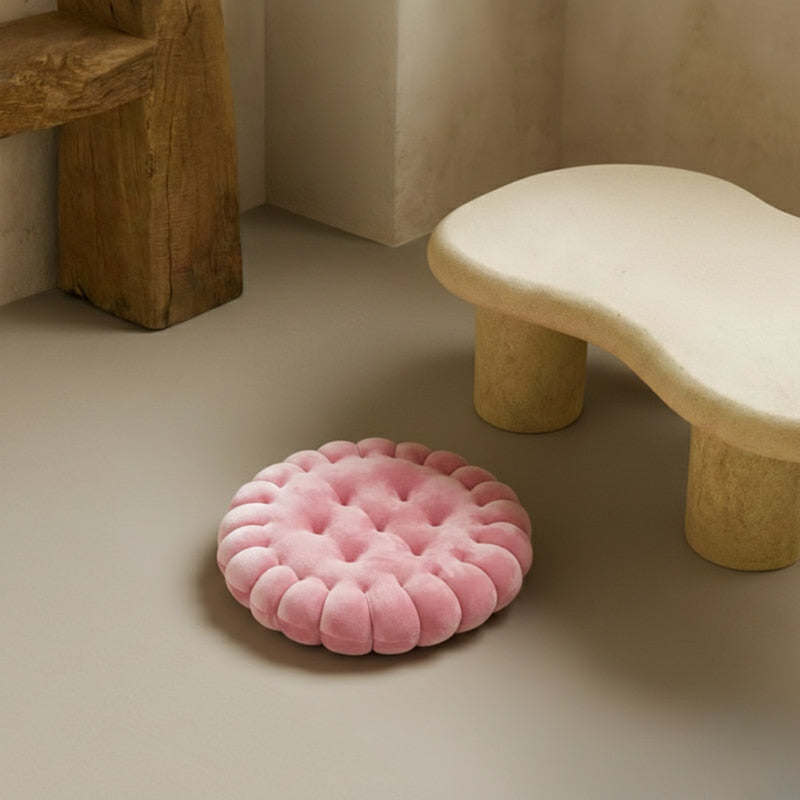
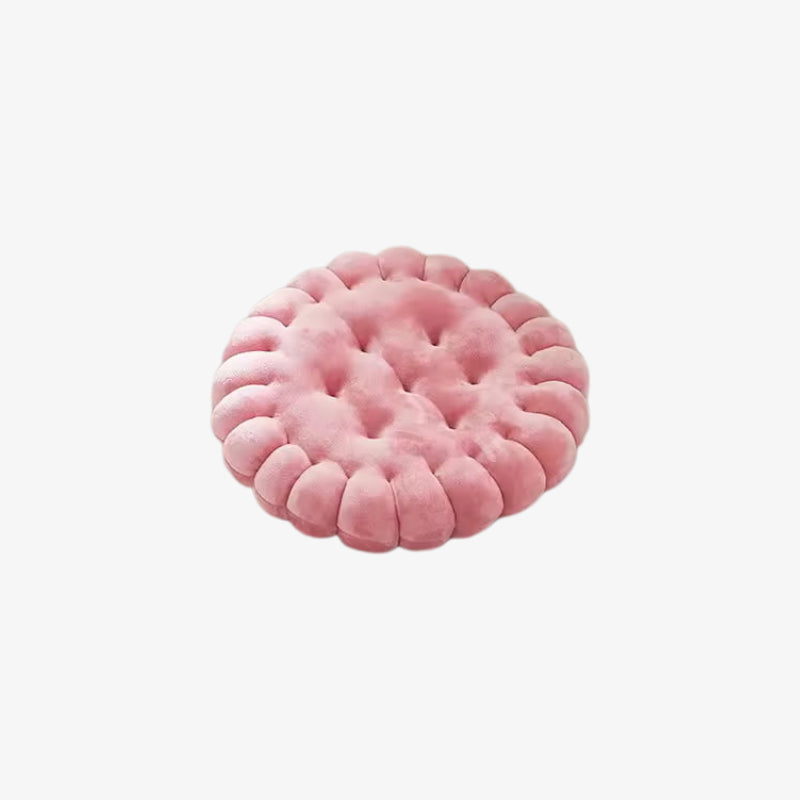
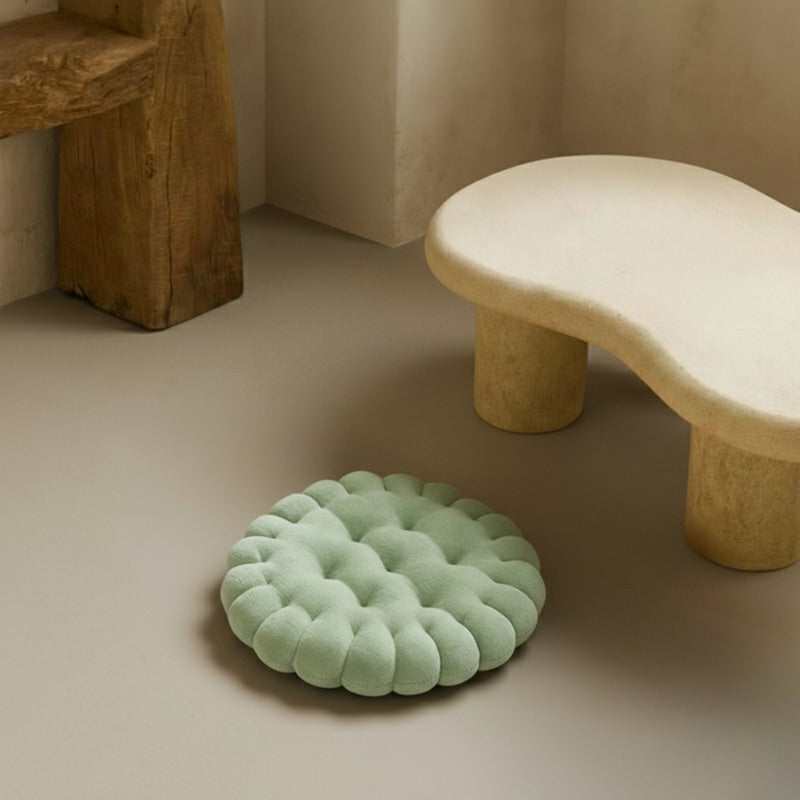
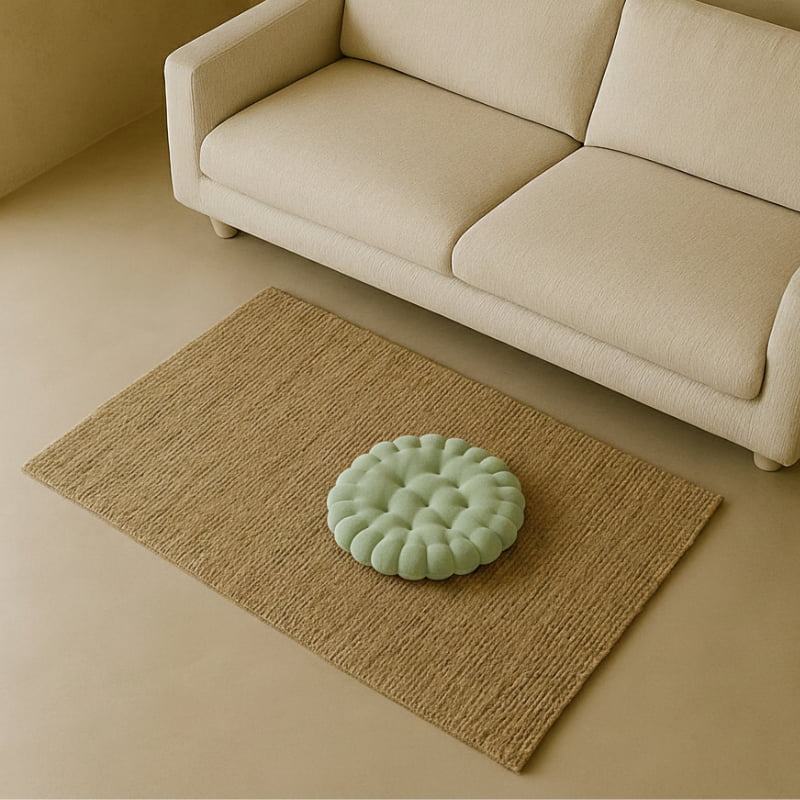
Round silhouettes add softness and a more playful line to the composition. A well proportioned round floor cushion can break up straight edges from tatami, coffee tables, and cabinets. Placed near a low table or in front of a Paper Lantern, it invites people to sit down, turn slightly, and adopt more relaxed postures. Circles often echo the shape of tea trays, ceramics, or lanterns, which strengthens the harmony between seating and other objects in the room.
Floor Cushion buying guide for every room
Selecting the right Floor Cushion starts with understanding how each room functions through the day. A living room that hosts tea, reading, and movie nights needs more depth and softness than an alcove used for short meditation sessions. A bohemian corner with textiles, plants, and Wabi Sabi ceramics might call for patterned boho floor cushions, while a more restrained tatami area benefits from solid colors and simple stitching. Matching cushion style to daily rituals ensures that each piece earns its place.
Think about who will use the cushions most often. A family that includes taller people or frequent guests may rely on a cluster of floor cushions seating with extra thickness, especially when floors feel firm. Smaller households that prefer a minimal look might choose fewer, denser cushions and store additional ones in a nearby chest for larger gatherings. The key lies in creating enough comfort for the longest sitting sessions without overloading the room with textile volume.
Consider the base beneath the cushions. On tatami, a medium thickness usually suffices, while hard surfaces need more padding. A flexible setup for floor cushions for adults could include a mix of firm and softer pieces that layer together when necessary. Users can stack two cushions for extra lift or combine one cushion with a folded throw to create different heights for different activities such as low dining, writing, or stretching.
Multi use rooms gain a lot from adaptable solutions. A living area that transforms into a guest room at night benefits from cushions that stack neatly and resist deformation. Designs that work as a floor cushion chair, with a slight backrest or foldable support, help people who prefer extra support during longer sessions. These pieces still keep the floor focused feeling of Japanese interiors while adding comfort for guests who are new to floor seating.
Floor Cushion care, styling, and long term comfort
Daily care keeps Floor Cushions inviting for years. Gentle shaking and regular airing help fillings recover their original volume, especially for floor seating cushions that see everyday use. Rotating positions reduces wear in specific spots and prevents fabric from flattening in the same area. When the home follows Wabi Sabi values, small marks and softened edges feel natural, but consistent care still protects structure and hygiene.
Vacuuming on low power with a brush attachment handles dust without stressing seams. Covers that unzip or untie give extra flexibility, because people can wash them separately and air the inner pillow on a dry day. For homes that rely heavily on floor cushions japanese seating in the living room, washable covers in cotton or linen help maintain a clean, fresh look even with frequent use, while inner pads remain protected from everyday spills.
Spot treatment matters when food or tea enters the picture. A soft cloth, mild soap, and quick attention usually handle most marks before they settle into the fibers. Households that use japanese floor cushions around low dining tables often keep a folded throw nearby to protect the surface during meals. This extra layer catches crumbs and small splashes, so cushions keep their color and texture longer while still feeling integrated into the setting.
Storage and rotation also influence comfort over time. When cushions rest on a shelf or in a chest, stacking them loosely rather than compressing them tightly preserves loft. A set of large floor cushions can alternate between active seating near the low table and off duty roles near a wall or window. This rhythm keeps the room flexible and gives each cushion time to recover between long evenings of use.
Styling with other low elements completes the story. A grouping of Floor Cushions around a tray table, a simple tatami edge, and a compact stool from the wooden stool collection creates a complete seating island without any tall furniture. A single floor pillow cushion near a Paper Lantern or Wabi Sabi vase marks a quiet corner for reading or reflection. Over time, the way people naturally choose spots and positions shapes the room, and the Floor Cushion collection quietly records these daily rituals in its softened fabrics and welcoming forms.